Deadly Water Dispute Claims Over 40 Lives in Eastern Chad, Highlights Deep-Seated Resource Scarcity
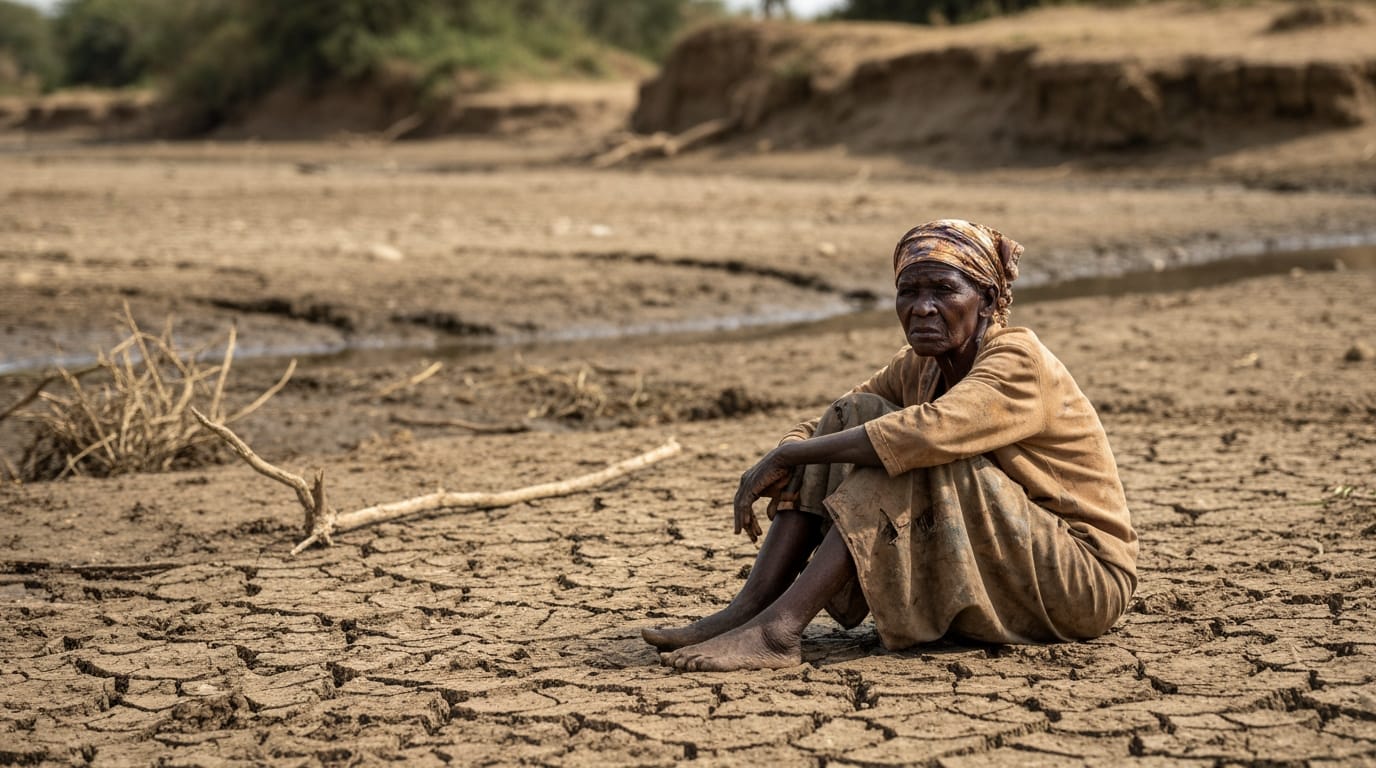
N'DJAMENA, Chad – A brutal clash over access to a vital water point in eastern Chad has left at least 42 people dead and 10 wounded, underscoring the severe and escalating tensions driven by resource scarcity in the Central African nation. The violence, which began as a dispute between two families in the village of Igote in Wadi Fira province on Saturday, rapidly escalated into a wider cycle of retaliatory attacks, according to Chadian Deputy Prime Minister Limane Mahamat. The incident, now under military control, casts a stark light on the persistent challenges Chad faces, exacerbated by environmental pressures and regional instability.
The Spark of Conflict and Swift Escalation
The tragic events unfolded in Igote, a village situated near Chad's border with Sudan, a region already grappling with significant humanitarian challenges. What reportedly began as a localized disagreement between two families over a shared water source on Saturday, April 25, quickly spiraled into widespread violence, resulting in a devastating loss of life. Deputy Prime Minister Limane Mahamat, who visited the scene with a high-level government delegation that included the Minister of Defense and the Chief of the General Staff, confirmed the casualty figures on Sunday. The injured were promptly evacuated to a provincial health center for urgent medical attention. Mahamat noted that the cycle of reprisals spread over a significant area before a swift intervention by the Chadian military brought the situation "under control." The government has since announced the initiation of a "customary mediation" process within the community, alongside judicial proceedings, to establish criminal responsibility.
A History of Contention: Water and Land Disputes
While the immediate catalyst for the Igote violence was a family dispute, the underlying causes are deeply rooted in Chad's long history of inter-communal conflicts over natural resources. Clashes over land and water are a common and deadly occurrence in the country, particularly in its arid eastern regions. The struggle for control over diminishing resources frequently pits different communities, such as farmers and nomadic herders, against each other. Farmers require water for their crops, while herders depend on it for their livestock, creating intense competition for increasingly scarce reserves.
Just last year, similar conflicts between farmers and herders in southwestern Chad also led to the deaths of 42 people and the destruction of numerous homes. Experts point to a confluence of factors, including climate change, desertification, and increased population density in certain areas, as driving this persistent resource competition. The receding waters of Lake Chad, for instance, have forced both agriculturalists and pastoralists to adapt, often leading to encroachment and conflict as they seek viable land and water sources. This environmental degradation reduces available arable land and water, intensifying grievances and making local institutions struggle to manage the emerging competition effectively.
Regional Instability and Humanitarian Strain
The recent violence in Wadi Fira province also cannot be isolated from the broader geopolitical context of the region. Eastern Chad has for several months been a critical refuge for hundreds of thousands of Sudanese citizens fleeing the devastating civil war in their neighboring country. This massive influx of refugees has placed immense additional pressure on Chad's already strained resources and security infrastructure.
The Sudanese conflict, which has claimed over 40,000 lives and displaced more than 14 million people, has created the world's largest humanitarian crisis. Chad, attempting to mitigate the spread of this instability across its borders, closed its frontier with Sudan in February "until further notice" following multiple incursions by warring Sudanese factions. Despite these efforts, the presence of such a large refugee population inevitably heightens the demand for essential resources like water, exacerbating pre-existing vulnerabilities and increasing the potential for localized conflicts to erupt. Deputy Prime Minister Mahamat emphasized the government's commitment to taking "all necessary measures" to prevent the destabilization of the border area.
Towards Resolution and Lingering Challenges
In the wake of the Igote tragedy, the Chadian government's dual approach of traditional mediation and formal judicial proceedings signals an effort to address both the immediate and long-term implications of such violence. Customary mediation processes are often employed in Chad to resolve inter-communal disputes, aiming for reconciliation and compensation guided by local traditions. Simultaneously, judicial proceedings are intended to assign criminal responsibility and ensure accountability, a critical step in deterring future conflicts.
However, achieving lasting peace and stability in regions prone to resource-based conflicts remains a formidable challenge. The complex interplay of environmental degradation, demographic pressures, historical grievances, and regional instability requires comprehensive and sustained interventions. While military intervention can contain immediate violence, long-term solutions necessitate improved resource management, equitable distribution, and strengthened local governance to prevent disputes from escalating into deadly confrontations. The recurring nature of these clashes underscores the urgent need for robust strategies that address the root causes of resource competition, offering a path towards sustainable coexistence for Chad's diverse communities.


