Deepavali Illuminated: UNESCO Bestows Intangible Cultural Heritage Status on India's Festival of Lights
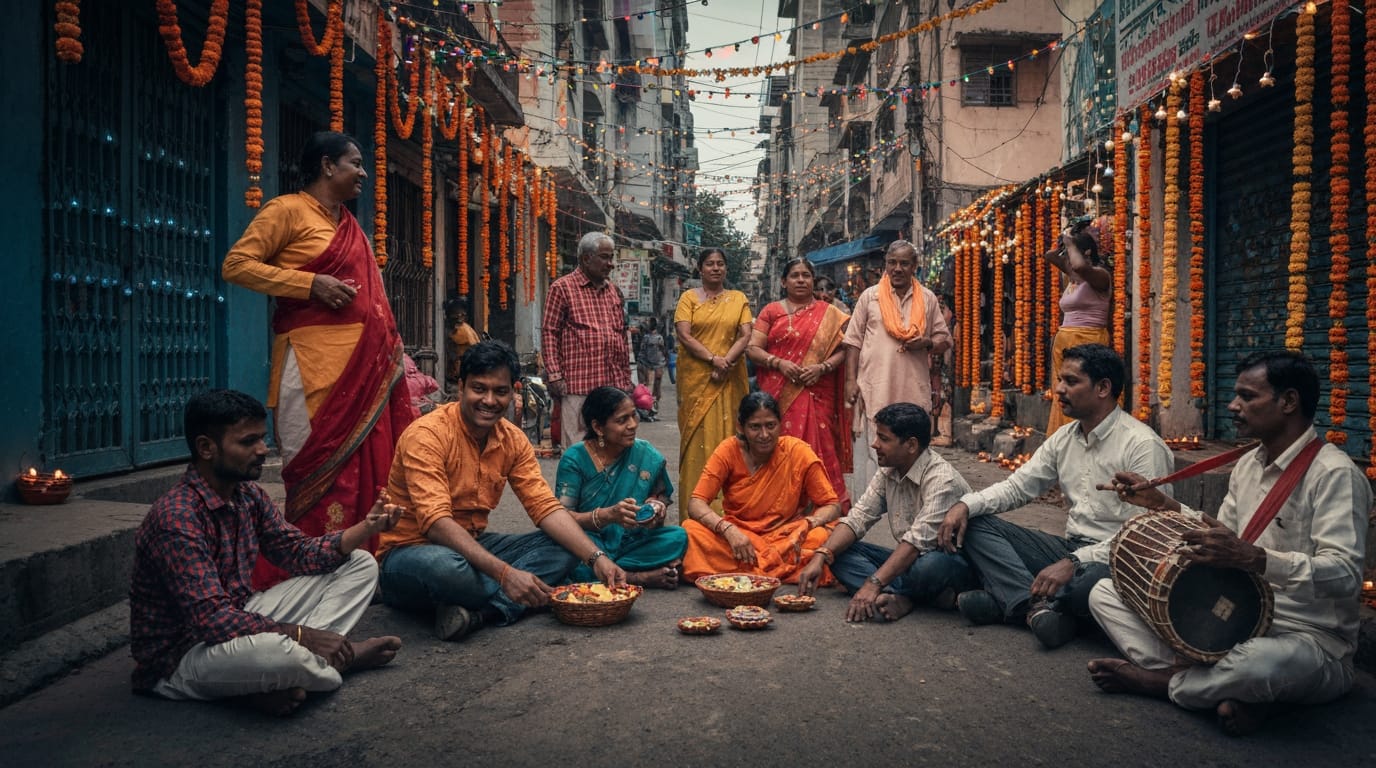
New Delhi, India – In a landmark decision amplifying India's rich cultural tapestry on the global stage, the United Nations Educational, Scientific and Cultural Organization (UNESCO) officially inscribed Deepavali, the revered Festival of Lights, onto its Representative List of the Intangible Cultural Heritage of Humanity. The historic announcement was made on December 10, 2025, during the 20th session of UNESCO's Intergovernmental Committee for the Safeguarding of Intangible Cultural Heritage, a prestigious event hosted for the first time by India at the iconic Red Fort in New Delhi. This recognition elevates Deepavali to a distinguished status, acknowledging its profound significance as a living tradition that embodies universal messages of hope, joy, and the triumph of light over darkness for millions worldwide.
A Global Beacon of Living Heritage
The inscription of Deepavali marks it as the 16th element from India to be featured on UNESCO's esteemed list, joining other celebrated Indian traditions such as Yoga, the Kumbh Mela, and Kolkata's Durga Puja. This designation is not merely symbolic; it represents UNESCO's commitment to safeguarding practices, representations, expressions, knowledge, and skills that communities recognize as integral to their cultural identity and that are passed down through generations. The process for inclusion requires a thorough demonstration that the cultural element contributes to visibility and awareness of intangible cultural heritage, encourages dialogue, and reflects global cultural diversity, alongside robust safeguarding measures. The committee's decision to include Deepavali underscores its immense cultural, religious, and spiritual importance, and its pivotal role in fostering unity across diverse communities.
The Enduring Spirit of Deepavali
Known as Deepavali or Diwali, the festival is a five-day celebration deeply rooted in ancient traditions, primarily observed in Hinduism, Jainism, and Sikhism, with some Buddhist communities also participating. While the specific narratives vary by region, the overarching theme of Deepavali consistently celebrates the victory of good over evil, knowledge over ignorance, and light over darkness. In northern India, it commemorates the return of Lord Rama to Ayodhya after defeating the demon king Ravana, while in southern India, it marks Lord Krishna's triumph over the demon Narakasura. For many, it also honors Lakshmi, the goddess of wealth and prosperity, and signifies a new year and new beginnings.
The preparations and observances are rich and varied. Homes are meticulously cleaned and adorned with vibrant decorations, including intricate "rangoli" patterns created from colored rice, sand, or flower petals at entrances, meant to welcome prosperity. The most iconic practice involves lighting countless "diyas" (small earthenware oil lamps) and candles, which illuminate homes, temples, and public spaces, literally transforming cities into shimmering spectacles. Families gather for elaborate feasts, exchange gifts and sweets, don new clothes, and participate in worship ceremonies. Fireworks, a joyous expression of celebration, light up the night sky, symbolizing the dispelling of darkness, though their use is increasingly mindful of environmental considerations. These traditions, passed down through generations, are not merely rituals but powerful expressions of community, faith, and cultural identity.
A Tapestry of Traditions and Community
Deepavali's vibrancy is intrinsically linked to the collective participation of millions, spanning various social strata and communities. The festival sustains countless livelihoods, from the potters who craft the ubiquitous diyas and artisans who create intricate decorations, to farmers, sweet makers, and priests who uphold the religious customs. Its community-centric nature was a key factor in its UNESCO recognition. The nomination process itself highlighted this inclusivity, involving consultations with diverse groups including agrarian communities, the Indian diaspora, individuals with special needs, and even transgender communities, demonstrating its broad societal embrace.
This shared experience fosters a profound sense of identity and continuity, reinforcing cultural bonds across geographical boundaries as the Indian diaspora celebrates Deepavali in various parts of the world, thereby strengthening cultural bridges globally. The festival’s ability to evolve while retaining its core essence makes it a dynamic and living heritage, constantly recreated in response to contemporary environments, yet always providing a sense of belonging and shared cultural memory.
Far-Reaching Implications
The UNESCO inscription carries significant implications for India and the global cultural landscape. It is expected to greatly enhance global awareness and appreciation for Deepavali, positioning it more prominently as a universal symbol of spiritual and cultural richness. This heightened visibility will undoubtedly bolster efforts to preserve and promote the festival's diverse practices and associated knowledge for future generations.
Indian officials lauded the recognition. Prime Minister Narendra Modi expressed that people across India and the world were "thrilled" by the decision, emphasizing Deepavali's deep connection to India's culture, ethos, and its role as "the soul of our civilisation." Union Culture Minister Gajendra Singh Shekhawat stated that the UNESCO tag also brings a responsibility to ensure Deepavali remains a living heritage. External Affairs Minister S. Jaishankar highlighted that the inscription serves as recognition of the festival's immense cultural, religious, and spiritual significance and its capacity to unite people. Beyond cultural preservation, the recognition is anticipated to contribute to sustainable development goals by supporting livelihoods, promoting gender equality, fostering cultural education, and enhancing community welfare linked to the festival. It further encourages intercultural dialogue, promoting mutual respect for diverse ways of life, a crucial aspect of UNESCO's mandate.
A Continual Radiance
Deepavali's inscription on UNESCO's Intangible Cultural Heritage list is more than an honor; it is a profound acknowledgement of a festival that encapsulates the enduring human desire for goodness, prosperity, and spiritual awakening. As the lamps continue to glow across homes and hearts, this global recognition ensures that the universal message of Deepavali – hope over despair, harmony over division, and light for all – will continue to radiate, inspiring generations to come and cementing its place as a treasured inheritance for all humanity.


