Delcy Rodríguez Assumes Interim Presidency Amidst Venezuelan Turmoil
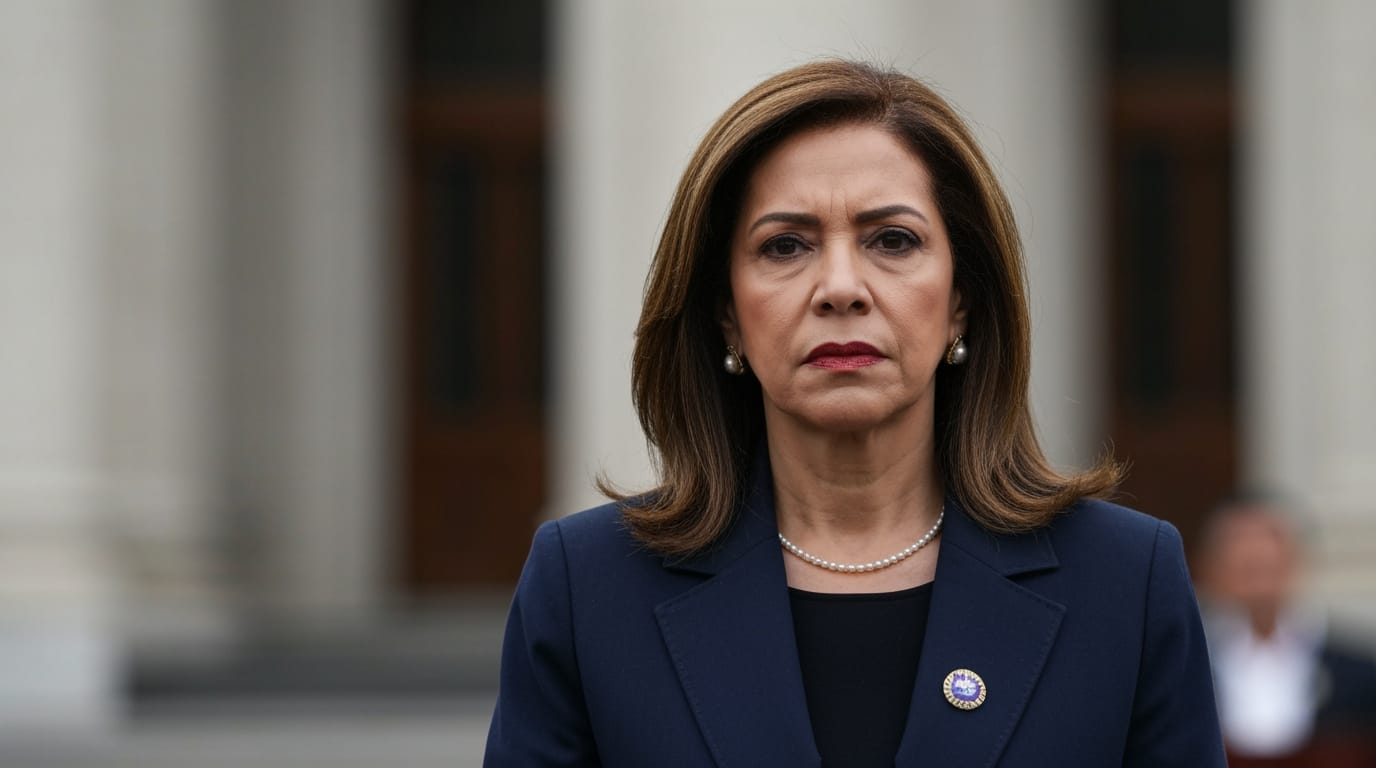
CARACAS, Venezuela – Delcy Eloína Rodríguez Gómez, a long-standing figure in Venezuela's socialist government, was sworn in as the nation's interim president on Monday, January 5, 2026, following the dramatic capture of President Nicolás Maduro by United States forces two days prior. The unexpected transfer of power has plunged Venezuela into a new era of uncertainty, with international observers closely watching the unfolding political and geopolitical ramifications in the oil-rich South American nation. Rodríguez, who has served as Vice President since 2018, now faces the formidable task of governing a country grappling with deep internal divisions and intense international pressure.
The Unforeseen Ascension
The political landscape of Venezuela was abruptly reshaped on January 3, 2026, when U.S. forces apprehended President Nicolás Maduro and his wife, Cilia Flores, in Caracas. They were subsequently transported to New York to face drug trafficking charges. In the immediate aftermath, Vice President Delcy Rodríguez emerged as the de facto leader. Venezuela's Supreme Tribunal of Justice ordered Rodríguez to assume the acting presidency, and she took the oath of office in the National Assembly on January 5, 2026. This rapid succession of events has been met with a mix of defiance and cautious overtures from Caracas. Initially, Rodríguez asserted that Venezuela would "never again be anyone's colony" and demanded Maduro's immediate release. However, her tone shifted by Sunday evening, with Rodríguez inviting the U.S. government to engage in cooperation for "shared development" and "lasting peaceful coexistence" within the framework of international law.
A Career Forged in Chavismo
Born on May 18, 1969, in Caracas, Delcy Rodríguez's political trajectory is deeply intertwined with the Chavista movement. She is the daughter of Jorge Antonio Rodríguez, a Marxist leader and co-founder of the Socialist League, who died in police custody in 1976 under suspicious circumstances, an event that profoundly shaped her political convictions. Her brother, Jorge Rodríguez Gómez, also holds significant political sway, currently serving as the President of the National Assembly.
Rodríguez pursued a law degree from the Central University of Venezuela, graduating in 1993, and later specialized in labor law in France. Her government career began in 2003 during Hugo Chávez's presidency, serving in various technical and advisory roles. Her ascent gained momentum after Chávez's death in 2013, when Nicolás Maduro appointed her as Minister of Popular Power for Communication and Information, a position she held from 2013 to 2014. She then served as the first female Minister of Foreign Affairs from 2014 to 2017, where she became known for her staunch defense of Venezuela's interests on the international stage. Following this, she presided over the Constituent National Assembly from 2017 to 2018, a body established by Maduro that effectively sidelined the opposition-controlled legislature. In June 2018, she was appointed Executive Vice President, becoming a direct collaborator to President Maduro and the head of Venezuela's intelligence agency, SEBIN.
Architect of Economic Resilience and International Scrutiny
Throughout her tenure, Rodríguez has held multiple critical portfolios, demonstrating a significant impact on Venezuela's economic management. Since September 2020, she has served as Minister of Economy and Finance. More recently, from 2024 to 2025, she also served as Minister of Petroleum, a crucial role in the nation's oil-dependent economy. Despite being a long-standing socialist, Rodríguez has been recognized for implementing orthodox economic policies, such as cutting public spending, limiting credit, and maintaining a fixed dollar-bolivar exchange rate, which some reports suggest helped stabilize the economy and lower triple-digit inflation amidst crippling U.S. sanctions. She has also maintained relations with foreign oil companies, including Chevron, in her efforts to keep oil production stable. Her reputation as a technocrat and her efforts to navigate the economic crisis have reportedly earned her the respect of some U.S. officials.
However, her prominent role has also made her a target of international sanctions. She has been sanctioned by several countries, including Canada (since 2017) and the European Union (since June 2018), which have frozen her assets and imposed travel bans, citing her role in undermining democracy and human rights in Venezuela. Neighboring Colombia has also banned her from entering the country.
Challenges and Geopolitical Tensions
Delcy Rodríguez steps into the interim presidency at a moment of profound crisis. The immediate challenge is the demand for the release of Nicolás Maduro and his wife, a call echoed by the Venezuelan armed forces, even as they formally recognized Rodríguez's authority. U.S. President Donald Trump, while acknowledging Rodríguez as the most likely successor, has issued warnings about her cooperation, stating she would "pay a very big price" if she does not align with U.S. expectations. The U.S. had previously considered former ambassador Edmundo González Urrutia as the rightful winner of Venezuela's 2024 elections, which it does not recognize as legitimate.
The constitutional framework for her interim role states that a vice president takes over for up to 90 days, extendable to six months with National Assembly approval, without an election requirement. However, the Supreme Court's order did not specify these time limits, leading to speculation that Rodríguez might attempt to remain in power longer to consolidate the ruling socialist party and fend off future electoral challenges. The situation is further complicated by the ongoing U.S. interest in Venezuela's vast oil reserves, which Trump has indicated the U.S. intends to "run" to "make the people of Venezuela rich."
The Road Ahead
As interim president, Delcy Rodríguez faces immense pressure both domestically and internationally. Her ability to unify factions within the ruling United Socialist Party of Venezuela (PSUV) and manage the country's economic woes while navigating a fraught relationship with the United States will define her nascent presidency. The coming months will be critical in determining Venezuela's political trajectory and its place on the global stage, as Rodríguez, a key figure in the Chavista legacy, seeks to chart a path forward for a nation at a crossroads.


