Delhi High Court Upholds Temporary Telegram Ban Amid NEET Re-Examination Concerns
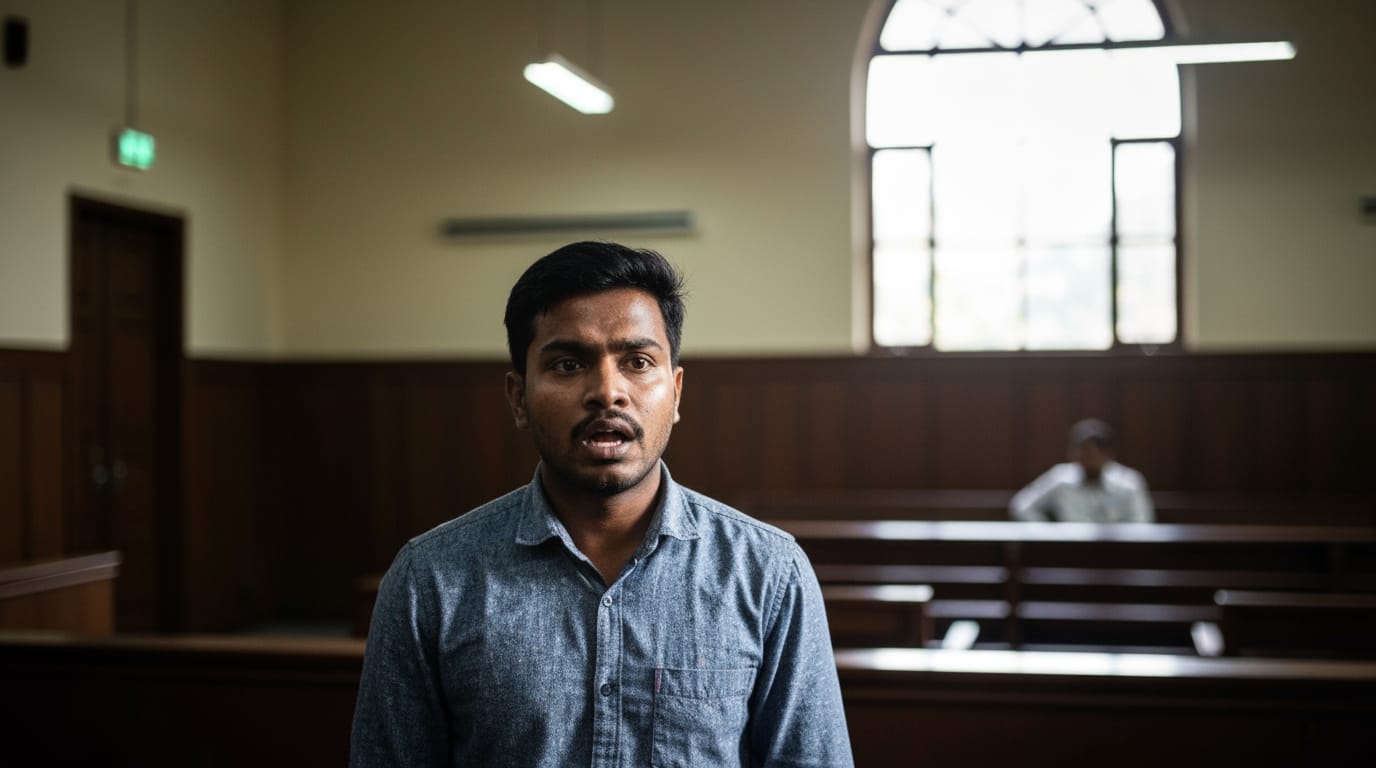
NEW DELHI, India – In a significant ruling affecting millions of users and setting a precedent for digital platform regulation, the Delhi High Court on Friday upheld the Indian government's temporary ban on the popular messaging application Telegram. The decision, handed down by Justice Tejas Karia, validates the government's emergency measures to curb widespread cheating and the circulation of fraudulent information related to the upcoming National Eligibility cum Entrance Test (NEET) undergraduate re-examination, scheduled for June 21, 2026. The ban on Telegram will remain in effect until June 22, with an additional directive requiring the platform to disable its message-editing feature in India until June 30.
Court's Affirmation of Government's Authority
The Delhi High Court dismissed Telegram's petition challenging the ban, asserting that the government's order was "well founded" and did not suffer from "non-application of mind." Justice Karia's ruling emphasized that the measures taken were "least restrictive" and "not disproportionate" given the circumstances, citing Section 69A of the Information Technology Act, 2000, as the legal basis for the government's power to direct the blocking of access to the platform. The court had previously, on June 18, questioned the proportionality of blocking access for 150 million users, but ultimately concluded that the emergency action was justified and legally compliant.
The government's intervention followed recommendations from the National Testing Agency (NTA) and the Department of Higher Education, Ministry of Education. The NTA, responsible for conducting the NEET, had raised alarm over the misuse of Telegram channels to disseminate fraudulent exam papers and to facilitate cheating. The original NEET examination, held in May, was canceled due to allegations of paper leaks and irregularities, prompting the need for a re-examination.
Government Cites Telegram's Architecture as a Challenge
The Indian government presented a robust defense for its decision, highlighting Telegram's unique architectural features as a significant challenge for law enforcement and content moderation. Solicitor General Tushar Mehta argued before the court that Telegram had evolved into a "new dark web," becoming a preferred tool for organized cheating networks, fraud, extremist groups, and even terrorist activities. A key concern was the platform's message-editing feature, which the NTA alleged was exploited to create fabricated "after-the-event" evidence of question paper leaks. Scammers reportedly used this feature to post fake exam questions before the test and later replace them with real questions after the exam concluded, creating a false impression of a pre-exam leak.
Furthermore, the government pointed to Telegram's bot infrastructure, which allows a single user to create numerous bots capable of disseminating bulk communications without continuous human intervention. This capacity, coupled with the ability of blocked bots to mirror channels and redirect to new ones, created a "persistent enforcement challenge," according to officials. The government contended that unlike other platforms, Telegram's cloud-based operation made it difficult for law enforcement agencies to trace and act against individuals engaging in illicit activities.
Telegram's Pushback and User Impact
Telegram, which counts India as its largest market with over 150 million users, vigorously challenged the government's order. The messaging app argued that the blanket ban was disproportionate and violated Article 14 of the Indian Constitution, which guarantees the right to equality. Telegram contended that it was being unfairly singled out while other social media platforms continued to operate without similar restrictions. The company also highlighted its proactive measures, stating that it had engaged in multiple meetings with government agencies since May and had removed over 900 links related to unlawful NEET content upon receiving specific URLs.
Telegram founder Pavel Durov publicly criticized the ban, stating it "punishes 150 million ordinary Telegram users in India — not the insiders who leaked the exam materials." Durov suggested that such bans are ineffective, as those determined to leak information would simply migrate to other platforms. The company also argued that the ban disrupted legitimate users, including students and educators who rely on Telegram for academic and professional communication.
Broader Implications for Digital Rights and Content Moderation
The Delhi High Court's decision to uphold the temporary Telegram ban has ignited a broader debate about digital rights, freedom of speech, and the extent of government power in regulating online platforms in India. Digital rights advocates, such as the Internet Freedom Foundation, have voiced concerns that the ban represents a "band-aid solution" and a "disproportionate answer to exam fraud." They warn that such actions could set a concerning precedent, potentially leading to the indiscriminate suspension of digital platforms and undermining constitutional protections of free speech and access to information.
The ruling underscores the ongoing tension between national security, maintaining public order, and safeguarding fundamental digital freedoms in a country with a vast and rapidly expanding internet user base. The government maintained that its measures were a necessary "last resort" after earlier actions to take down specific content proved insufficient. This incident marks the latest in a series of legal confrontations between global tech giants and the Indian government over content moderation and regulatory oversight.
Conclusion
The Delhi High Court's validation of the temporary Telegram ban represents a critical moment in India's digital governance landscape. While the government asserts the necessity of such measures to ensure the integrity of critical national examinations and prevent fraudulent activities, the ruling raises significant questions about the balance between state intervention and individual digital rights. The temporary nature of the ban, set to expire shortly after the re-examination, suggests a targeted approach to an immediate crisis. However, the underlying arguments regarding platform architecture, content moderation responsibilities, and the proportionality of state actions will likely continue to shape future policy and legal challenges concerning digital communication platforms in India.


