U.S. Initiates Trade Probe Against Germany Over 'Persistent Underpayment' for Innovative Drugs
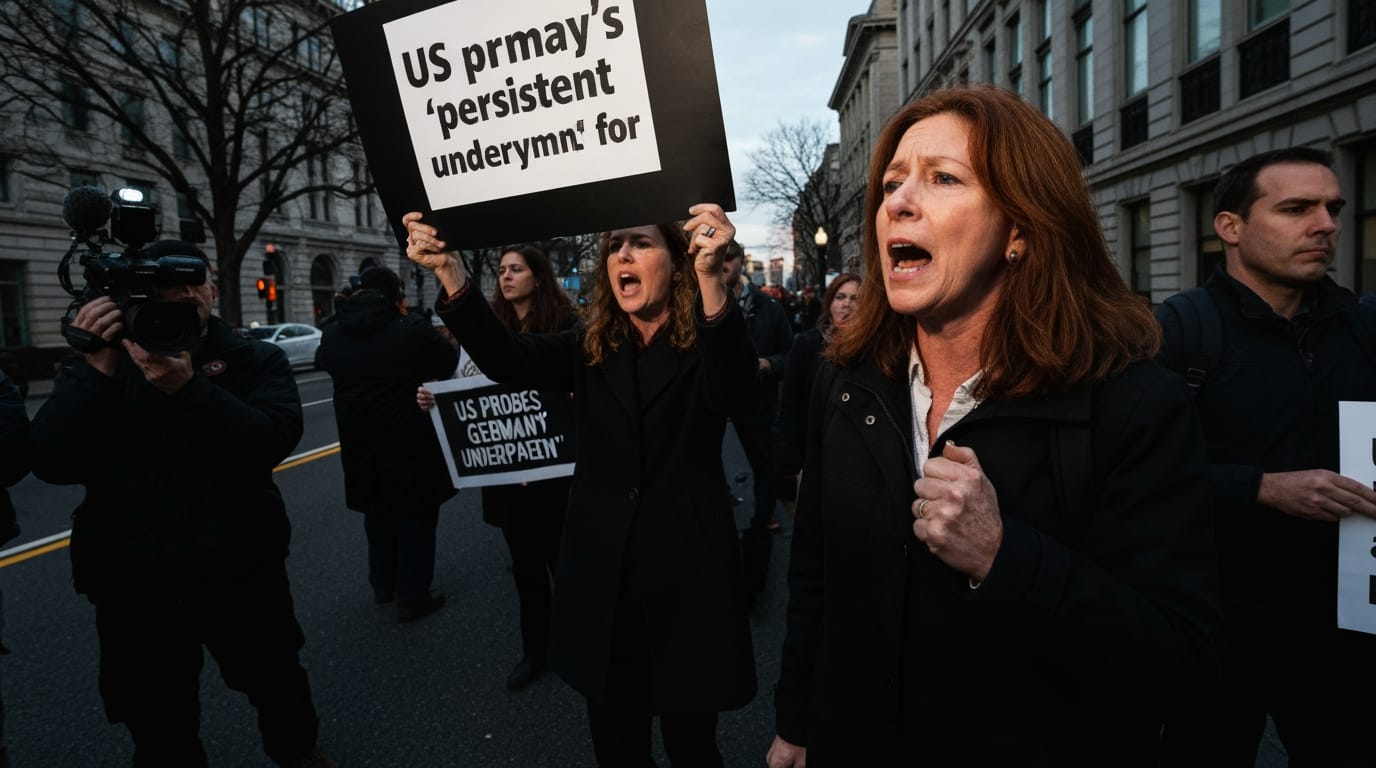
WASHINGTON D.C. - The United States has launched a formal trade investigation into Germany's pharmaceutical pricing practices, alleging that the European nation's policies constitute a "persistent underpayment" for innovative drugs. This probe, initiated on June 18, 2026, by U.S. Trade Representative Jamieson Greer under Section 301 of the Trade Act of 1974, marks a significant escalation in ongoing tensions over global drug pricing and the funding of pharmaceutical research and development. The move highlights deep-seated disagreements between two major economic allies regarding who should bear the costs of medical innovation.
The Core of the Dispute: Funding Global Innovation
At the heart of the U.S. investigation is the assertion that Germany's drug pricing policies are unreasonable, discriminatory, and unfairly burden or restrict U.S. commerce. American officials contend that these practices force U.S. patients to shoulder a disproportionately large share of global pharmaceutical research and development costs. Ambassador Greer articulated concerns, stating that President Trump has made it clear that American patients should not be disproportionately funding worldwide pharmaceutical R&D. The U.S. Trade Representative (USTR) office claims that Germany's policies, which may include supplemental discounts and mandatory variable rate rebates, result in the United States paying a larger share of R&D expenses for innovative pharmaceuticals. Adding to the U.S. apprehension, Ambassador Greer expressed particular concern over reports that Germany is rapidly advancing legislation that would further reduce its spending on innovative pharmaceuticals. This action, Greer suggested, would be a "serious step backwards" at a time when trading partners are expected to contribute their fair share to funding innovative research. The U.S. has pointed to a recent pharmaceutical pricing arrangement between the United States and the United Kingdom as a potential model for Germany to consider.
Germany's Structured Approach to Drug Pricing
Germany operates a highly structured system for pharmaceutical pricing designed to balance innovation with access and affordability for its citizens. While new prescription drugs can initially launch at a price set by the manufacturer, this "free pricing" period typically lasts for only six to twelve months. Following this initial phase, the Federal Joint Committee (G-BA) conducts an early benefit assessment (known as the AMNOG process) to evaluate the drug's added clinical benefit compared to existing therapies. Based on the G-BA's findings, the manufacturer then enters into negotiations with the National Association of Statutory Health Insurance Funds (GKV-SV) to establish a reimbursement price. If these negotiations fail to reach an agreement, an arbitration panel steps in to determine the price. Moreover, Germany employs a reference pricing system for older or less innovative drugs, capping the maximum amount insurers will reimburse for therapeutically similar products. Mandatory rebates and discounts also contribute to lower net drug prices within the German system. This comprehensive framework generally results in drug prices in Germany being substantially lower than those in the United States, with some analyses indicating U.S. prices can be three to four times higher. German policymakers maintain that this system ensures patients have access to cutting-edge treatments while controlling healthcare costs, a model widely accepted by stakeholders within the country.
Economic Ripple Effects and Geopolitical Tensions
The U.S. Section 301 probe carries significant economic and geopolitical implications. If the investigation concludes that Germany's practices are unfair, it could lead to the imposition of trade remedies, including tariffs on German goods. Such a move could reignite trade tensions between the U.S. and Germany, as well as the broader European Union. The pharmaceutical industry has already shown sensitivity to Germany's pricing policies. Reports indicate that Germany's plans to curb healthcare spending have led to some pharmaceutical companies reconsidering or reducing their investments in the country. For example, Boehringer Ingelheim and Eli Lilly reportedly scaled back billions of dollars in planned investments in Germany following proposed healthcare reforms, prompting the German government to consider modifications to contentious elements of its plans.
Beyond immediate trade concerns, the dispute touches upon the broader landscape of pharmaceutical research and development. U.S. officials and industry representatives argue that lower drug prices in countries like Germany disincentivize innovation, particularly for American pharmaceutical firms. Data suggests that U.S. spending on pharmaceutical R&D has outpaced Europe in recent years, with Europe's share of global biopharmaceutical R&D experiencing a decline. Critics of European pricing models contend that while these systems provide cheaper drugs, they do so at the expense of global R&D, leaving the U.S. to primarily fund the development of new medicines.
A Global Debate: Fair Share and Innovation Funding
The debate over pharmaceutical pricing and the funding of innovation is not new, with accusations of "freeloading" a recurring theme in U.S. discussions with European partners. Historically, the U.S. pharmaceutical industry has argued that European countries do not pay their "fair share," thus relying on higher U.S. prices to subsidize global innovation. Conversely, some experts and European officials dispute the "freeloading" narrative, asserting that European nations adequately fund R&D through their domestic drug sales and that the vast price differential between the U.S. and other developed countries is primarily due to escalating U.S. prices. They also emphasize that European-headquartered pharmaceutical companies contribute significantly to global R&D. The German approach is often viewed within Europe as a responsible way to manage healthcare costs while still supporting the pharmaceutical sector. However, the U.S. probe signals a renewed and aggressive push by Washington to challenge these established pricing models.
The outcome of this Section 301 investigation could redefine the economic relationship between the U.S. and Germany in the pharmaceutical sector and potentially set precedents for how other developed nations price innovative medicines. The USTR has announced a docket for public comments opening on June 25, followed by a public hearing on the probe in September, indicating a thorough process before any final determinations are made. The resolution of this complex issue will require navigating intricate economic realities, differing healthcare philosophies, and the intertwined interests of pharmaceutical companies, governments, and patients worldwide.


