Devastating Overnight Storms Ravage Germany, Claiming One Life and Leaving Widespread Destruction
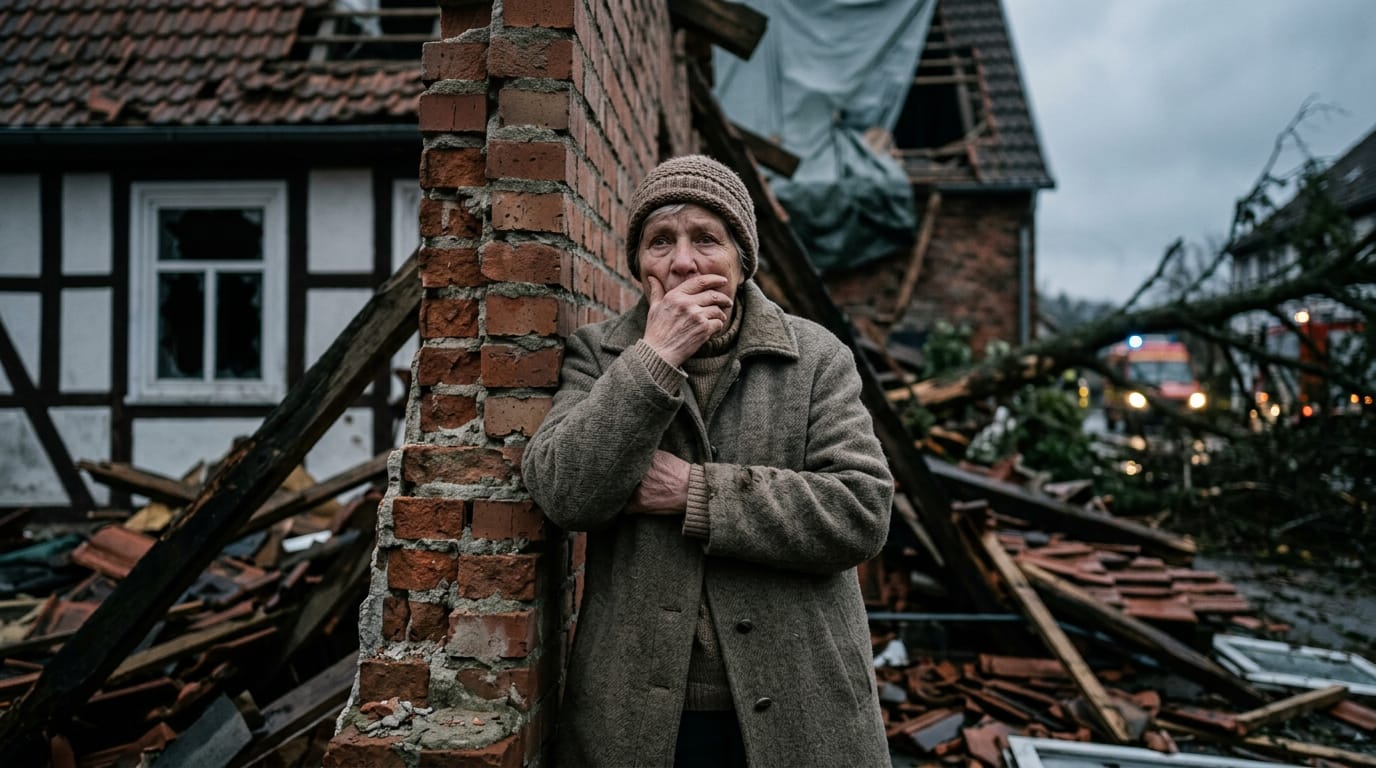
BERLIN, Germany – A series of powerful storms swept across Germany overnight from Wednesday to Thursday, August 20, 2026, unleashing a torrent of destructive winds, torrential rain, and localized tornadoes that claimed at least one life and left a trail of severe damage across multiple federal states. Emergency services worked through the early morning hours to respond to hundreds of calls as homes were rendered uninhabitable, infrastructure compromised, and communities grappled with the immediate aftermath of nature's fury.
Tragic Loss in Rhineland-Palatinate
The most tragic incident occurred in Waldorf, located in the southwestern state of Rhineland-Palatinate, where a 58-year-old woman was fatally struck by a falling tree. The woman, accompanied by a 47-year-old companion, had sought refuge under a covered seating area as the storm intensified. However, a mighty tree was uprooted by the sheer force of the winds, collapsing onto their shelter. The 58-year-old died at the scene, while her 47-year-old companion sustained serious injuries and was transported to a local hospital, according to reports from the German news agency dpa. The incident underscores the immediate and perilous threat posed by such extreme weather phenomena, even to those attempting to find safety.
Unprecedented Damage Across Multiple Regions
The severe weather system, which tracked eastward from Belgium and Luxembourg, brought widespread destruction beyond the tragic fatality. Rhineland-Palatinate bore a significant brunt of the storm's intensity, particularly the Westerwald area, where emergency responders faced collapsed roofs, homes deemed uninhabitable, and numerous blocked roads. Power outages were also reported in communities like Montabaur and Niederahr, plunging residents into darkness amidst the chaos.
In the state of Hesse, towns like Wetzlar experienced extensive damage, with the fire department reporting approximately 60 houses affected. Gusts of wind were so strong that they tore off pieces of roofing and entire building facades, scattering debris across residential areas. Further east, Brandenburg was hit by tornadoes, with one striking Fürstenwalde, situated about 78 kilometers southeast of Berlin. This tornado ripped roofs from buildings and damaged several vehicles with falling trees. The sheer force of these localized wind events highlights the increasing volatility of summer weather patterns in the region.
Emergency Response and Community Resilience
Throughout the night and into Thursday morning, emergency services were stretched thin across the affected regions. Numerous emergency calls poured in from Hesse, Thuringia, and Bavaria, signaling the widespread nature of the disruption. Firefighters, police, and technical relief organizations worked tirelessly to clear downed trees, secure damaged structures, and assist residents. In some areas, the cleanup efforts were monumental, with roads resembling winter scenes due to accumulating hail from earlier storms in the summer.
The immediate priority for authorities remains ensuring public safety, assessing the full extent of the damage, and providing support to those whose homes have been severely impacted or made uninhabitable. While the immediate danger of the overnight storms has passed for many areas, meteorologists warn that the risk of severe weather persists, particularly for Saxony and parts of southern Germany, including Baden-Württemberg and Bavaria, later in the day. This ongoing threat means communities must remain vigilant and prepared for further potential impacts.
A Summer Defined by Extreme Weather
The destructive storms of August 20 are the latest in a series of extreme weather events that have characterized Germany's summer of 2026. The nation has experienced a season of stark contrasts, oscillating between record-breaking heatwaves and violent meteorological disturbances. Just weeks prior, Germany endured a severe heatwave that contributed to an unprecedented number of heat-related fatalities. Between January and July 2026, an estimated 11,900 to 12,500 heat-related deaths were recorded, with a significant surge of approximately 9,600 occurring during a particularly intense heatwave in June alone. Temperatures exceeded 40 degrees Celsius in several parts of the country during this period, putting immense strain on public health services and vulnerable populations, especially the elderly.
Beyond the heat, Germany has also contended with other localized severe weather incidents throughout July. Heavy rainfall and hailstorms earlier in the summer led to significant flooding, paralyzing areas like Hanover and Nuremberg. In Reutlingen, for example, snowplows were ironically deployed in August to clear hail that accumulated up to 30 centimeters deep. Furthermore, a tornado in Glückstadt in late July damaged dozens of buildings, demonstrating the recurrent nature of these intense atmospheric events. This pattern of extreme weather underscores broader climate trends, challenging infrastructure and emergency response capabilities nationwide.
Looking Ahead: Preparedness in a Changing Climate
The recent onslaught of severe storms serves as a stark reminder of the escalating challenges posed by a changing climate. While the immediate focus remains on recovery and support for the affected communities, the long-term implications necessitate a re-evaluation of preparedness strategies. The juxtaposition of intense heat and destructive storms highlights a future where such extreme events may become more frequent and severe. As residents begin the arduous task of rebuilding and repairing, the collective experience of this turbulent summer will undoubtedly fuel discussions on enhancing climate resilience and adapting to a new meteorological reality across Germany. The unity displayed by emergency services and communities in the face of adversity offers a beacon of hope, but the need for proactive measures against future extremes remains paramount.