Developed Nations Face Paradox: Curbing Migration Amid Surging Labor Needs
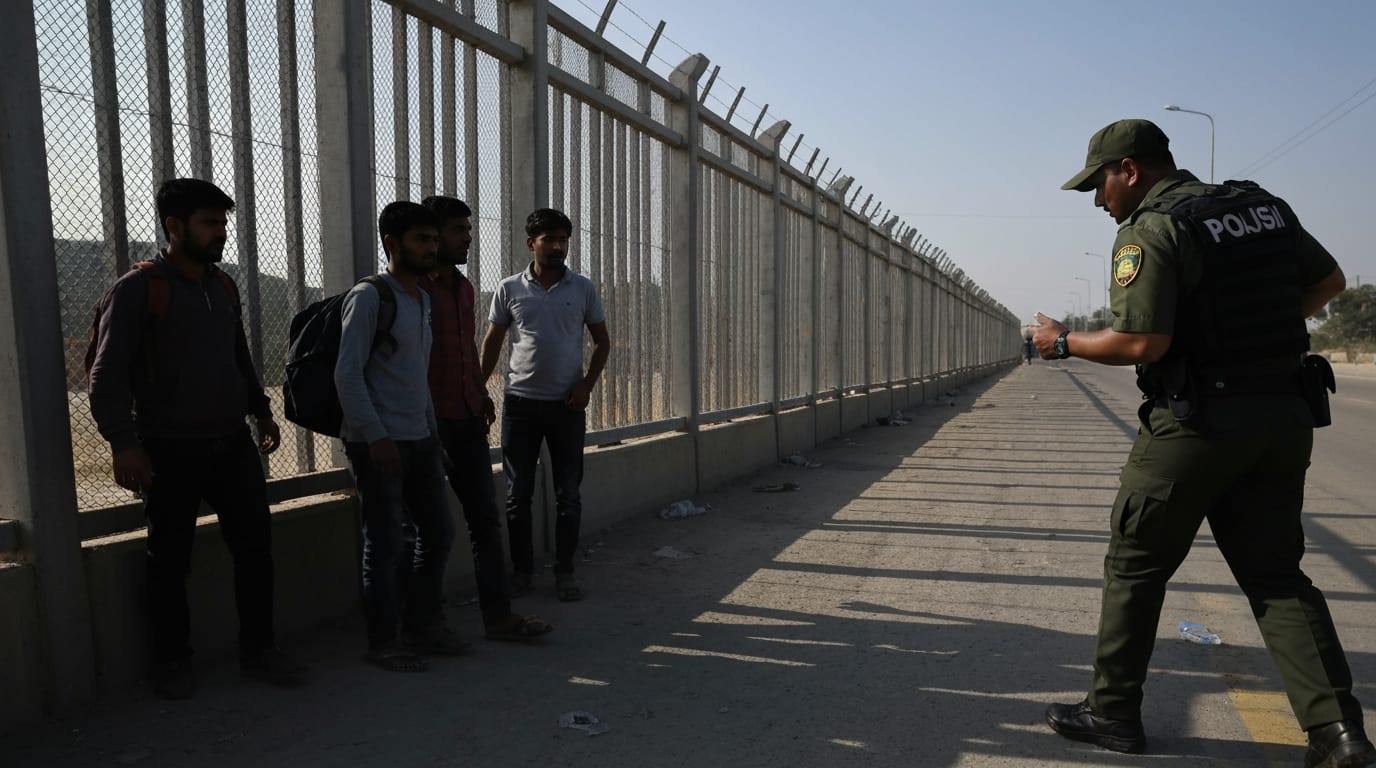
Wealthy nations across the globe are grappling with a complex and increasingly urgent paradox: while many of their critical industries face acute labor shortages, governments are simultaneously implementing stricter immigration policies. This tightening of borders, often driven by political pressures and public sentiment, is creating significant economic repercussions, including rising costs, delayed projects, and strains on essential services. The tension between the demand for a flexible workforce and restrictive migration policies is reshaping economies and challenging the long-held understanding of global labor mobility.
The Foundation of Demand: Industries Reliant on Migrant Labor
A multitude of sectors in developed economies have become heavily reliant on migrant workers to fill crucial roles and maintain operational efficiency. Industries such as agriculture, construction, hospitality, healthcare, transportation, and food production consistently report significant labor gaps that native workforces cannot or will not fill. In the United States, for instance, immigrants constitute approximately 5% of the overall workforce, but this figure rises dramatically in specific sectors: around 20% in agriculture, 20.6% in transportation, and 21% in the broader food industry, excluding restaurants. Similarly, across OECD countries, immigrants account for over 15% of all workers on average, with some nations seeing this share exceed 20%.
These workers often undertake physically demanding, entry-level, or specialized roles that are essential for the functioning of these economies. In healthcare, foreign professionals are vital in addressing persistent shortages of nurses and other medical staff, while in agriculture, migrant laborers are the backbone of harvesting and processing operations. The hospitality sector, encompassing hotels and restaurants, also depends heavily on foreign workers for service positions. Experts generally agree that increased labor mobility fosters productivity by enabling a more efficient allocation of skilled workers and that global labor mobility is indispensable for economic growth.
The Wall Rises: A Shift Towards Restrictive Policies
Despite the clear economic contributions of migrant workers, a growing number of wealthy nations are enacting more stringent immigration controls. This policy shift is influenced by a confluence of factors, ranging from concerns over national security and the perceived strain on public services and housing to anxieties about national identity and cultural cohesion. Political motives, often fueled by public opinion and anti-immigrant sentiment, play a significant role in shaping these restrictive measures.
Governments are implementing stricter visa requirements, increasing enforcement, and raising salary thresholds for skilled worker visas. Some nations are also curtailing the rights and pathways for undocumented migrants and asylum seekers. This trend is not confined to specific regions; the OECD reported a 21% fall in international migration for employment in 2024 among its member countries, a decline attributed to stricter visa policies and a slowdown in labor markets. Examples include the UK and Australia, where strict visa policies have directly contributed to reduced immigration, and even within the European Union, labor-based immigration has dipped below pre-COVID-19 levels despite an unchanged visa framework. The political rhetoric in some countries, notably the United States and various European nations, has increasingly centered on anti-immigration platforms, with leaders advocating for a reduction in migrant inflows.
Economic Fallout: Shortages, Inflation, and Stalled Growth
The tightening of immigration policies has tangible and often severe economic consequences for the very nations implementing them. Industries that rely heavily on migrant labor are now contending with acute worker shortages, leading to disruptions in production and service delivery. The agricultural sector, for instance, has seen crops left unharvested and significant economic losses due to insufficient labor, while construction projects face delays and increased costs.
These labor deficits invariably translate into higher operational costs for businesses, which are often passed on to consumers in the form of increased prices and inflationary pressures. This impact is particularly noticeable in sectors like food, construction, and hospitality. Healthcare systems, already under strain, experience increased patient wait times and overworked staff due to insufficient personnel. Furthermore, the inability to secure a sufficient workforce can hinder business expansion plans and, in the long term, reduce overall economic growth and productivity. Economists warn that abruptly losing a significant share of immigrant workers could be highly disruptive, potentially creating temporary production bottlenecks and shortages. The decline in low-skilled immigration has been linked to higher wages for low-skilled native workers but also to more expensive non-tradable services, which reduces household purchasing power.
A Broader Look: Social, Human Capital, and Geopolitical Dimensions
The implications of reduced labor migration extend beyond immediate economic indicators. While some perceive immigration as a burden on public services, economic research often suggests that immigration, on balance, provides a net positive benefit to economies, with immigrants contributing more in taxes and contributions than they consume in social protection, health, and education.
However, the impacts are not uniform. Sending countries often benefit from remittances sent by migrant workers, which can significantly boost their economies and reduce poverty. Conversely, a "brain drain" can occur when highly skilled individuals emigrate, potentially damaging the human capital and economic growth prospects of their home nations, although some argue that emigration-induced incentives for increased schooling can mitigate this over time.
The current restrictive trends also raise questions about global cooperation and human rights, particularly concerning refugees and asylum seekers who are increasingly becoming targets of anti-immigrant sentiment. The complex interplay of economic necessity, political will, and social concerns underscores the persistent challenges in formulating migration policies that serve both national interests and global humanitarian responsibilities.
Balancing the Scales: The Path Forward
The prevailing dynamic of wealthy nations curbing labor migration amidst burgeoning demand presents a significant dilemma. While political expediency may favor stricter controls, the economic realities point to an indispensable need for migrant workers across numerous industries. The current trajectory risks exacerbating labor shortages, fueling inflation, and ultimately undermining economic stability and growth.
Addressing this paradox requires a nuanced approach that acknowledges both the legitimate concerns of citizens and the vital economic role of immigration. Policies that are pragmatic, flexible, and evidence-based could help bridge this gap, ensuring that labor markets remain robust while also managing social integration effectively. Finding a sustainable balance will be critical for wealthy nations to navigate the complexities of a globalized economy and ensure their continued prosperity in the face of evolving demographic and economic pressures. The UN labor agency ILO emphasizes that ensuring the rights and access to decent work for migrant workers is not just a moral imperative but also an economic necessity.