Dire Wolf Returns: Scientists Resurrect Extinct Species Through Gene Editing
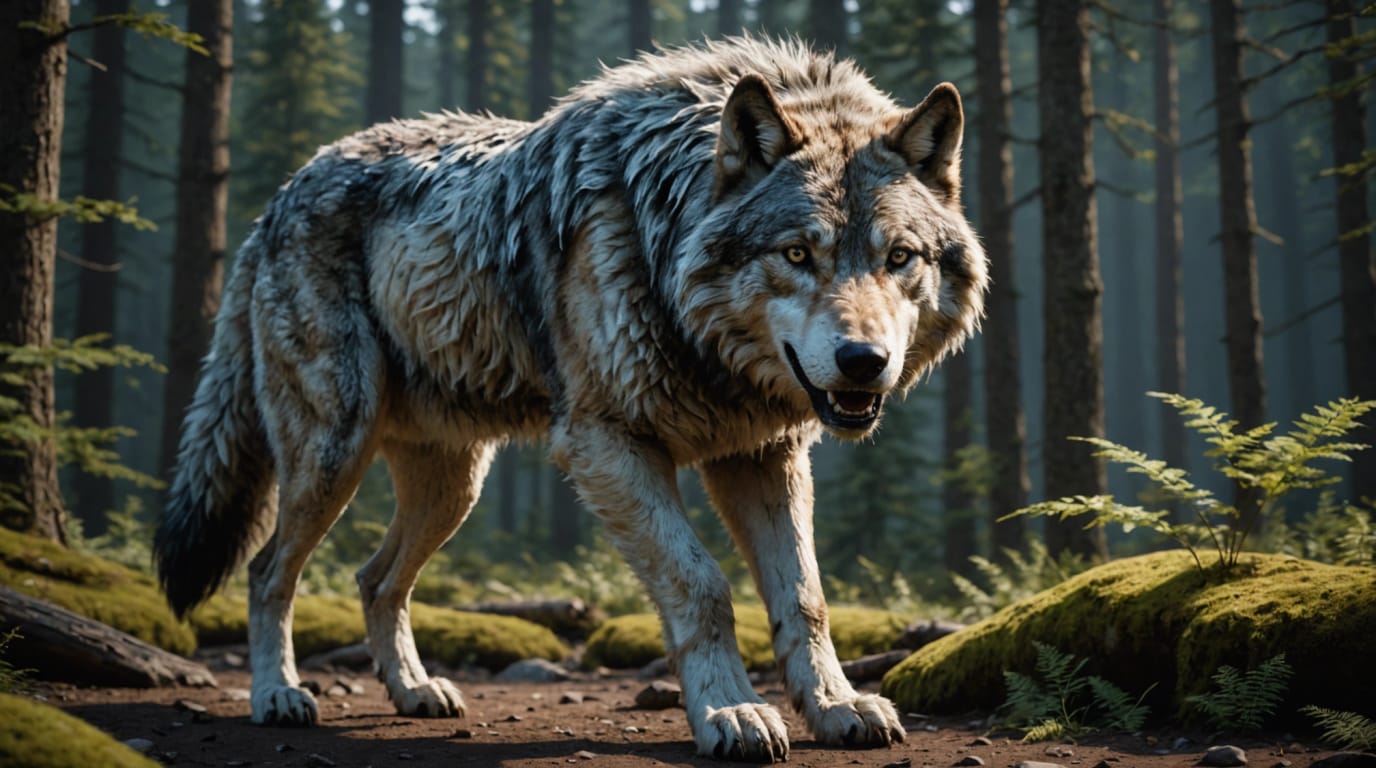
After roaming the earth for millennia and disappearing over 10,000 years ago, the dire wolf, a prehistoric predator immortalized in popular culture, has been brought back to life by scientists at Colossal Biosciences. Using advanced gene-editing techniques, the company has successfully recreated the iconic species, marking a significant milestone in both de-extinction efforts and wildlife conservation.
The Science Behind the Revival
Colossal Biosciences, a biotechnology firm based in Dallas, Texas, spearheaded the ambitious project. Scientists employed CRISPR-Cas9, a precise gene-editing tool, to analyze and reconstruct the dire wolf's genome from well-preserved fossils. These fossils included a 13,000-year-old tooth and a 72,000-year-old skull, providing a wealth of genetic information.
The recreation process involved comparing the dire wolf's DNA with that of the gray wolf, its closest living relative. Researchers identified key genetic differences responsible for the dire wolf's unique characteristics, such as its larger size, distinct head shape, coat color, teeth form, and vocalizations. By modifying the gray wolf's DNA to match the dire wolf's genetic blueprint, scientists successfully created the first specimens of the resurrected species.
First Pups: Remus, Romulus, and Khaleesi
The initial litter of dire wolf pups, named Remus, Romulus, and Khaleesi, are currently being cared for at a wildlife preservation center in the United States. These pups represent a tangible outcome of years of research and development, showcasing the potential of genetic engineering to revive extinct species.
While these animals possess the genetic makeup of dire wolves, it is important to note that they are not exact clones. The recreation process involves modifying existing gray wolf DNA, resulting in animals that closely resemble dire wolves but may exhibit some subtle differences.
Implications for Conservation
Beyond the scientific achievement of bringing back an extinct species, the project holds significant implications for wildlife conservation. Colossal Biosciences aims to utilize the technologies developed during the dire wolf project to aid in the preservation of endangered species.
One potential application is strengthening the genetic diversity of threatened populations. By using gene editing to correct genetic bottlenecks, scientists hope to improve the resilience and adaptability of species like the red wolf. Furthermore, research into the dire wolf genome could provide insights into how to make other animals, such as elephants, more resistant to climate change, drawing inspiration from the woolly mammoth.
Ethical Considerations and Environmental Impact
The resurrection of the dire wolf, while a remarkable feat, raises ethical questions and concerns about potential environmental impacts. Some critics worry about the welfare of the animals themselves, as well as the potential consequences of reintroducing an extinct predator into modern ecosystems.
The introduction of a new apex predator could disrupt existing food chains and ecological balances. Careful consideration must be given to the potential impact on prey species and other carnivores. Additionally, there are concerns about the potential for hybridization with existing wolf populations, which could further complicate conservation efforts.
Colossal Biosciences acknowledges these concerns and emphasizes its commitment to responsible de-extinction practices. The company is working with ethicists, conservationists, and local communities to develop comprehensive plans for managing the reintroduced dire wolf population and mitigating potential risks.
The Future of Genetic Recreation
Colossal Biosciences is not stopping with the dire wolf. The company has ongoing projects focused on resurrecting other extinct species, including the woolly mammoth and the Tasmanian tiger. These efforts represent a broader movement towards using genetic engineering to address biodiversity loss and restore degraded ecosystems.
The advancement of de-extinction technology offers new hope for preserving endangered species and potentially reversing some of the damage caused by human activities. However, it also requires careful consideration of the ethical, ecological, and social implications. As science continues to push the boundaries of what is possible, open and informed discussions are crucial to ensure that these powerful tools are used responsibly and for the benefit of both humans and the natural world.
A Blurring Line Between Past and Present
The return of the dire wolf blurs the line between the past and the present, challenging our understanding of extinction and the potential for human intervention in natural processes. While the long-term consequences of this scientific breakthrough remain to be seen, it undoubtedly marks a turning point in our relationship with the natural world and our ability to shape the future of life on Earth. The project underscores the increasing role of biotechnology in conservation and the ongoing debate about the ethical responsibilities that come with such power.


