Direct Air Travel Restored: First US-Venezuela Flight in Seven Years Lands in Caracas
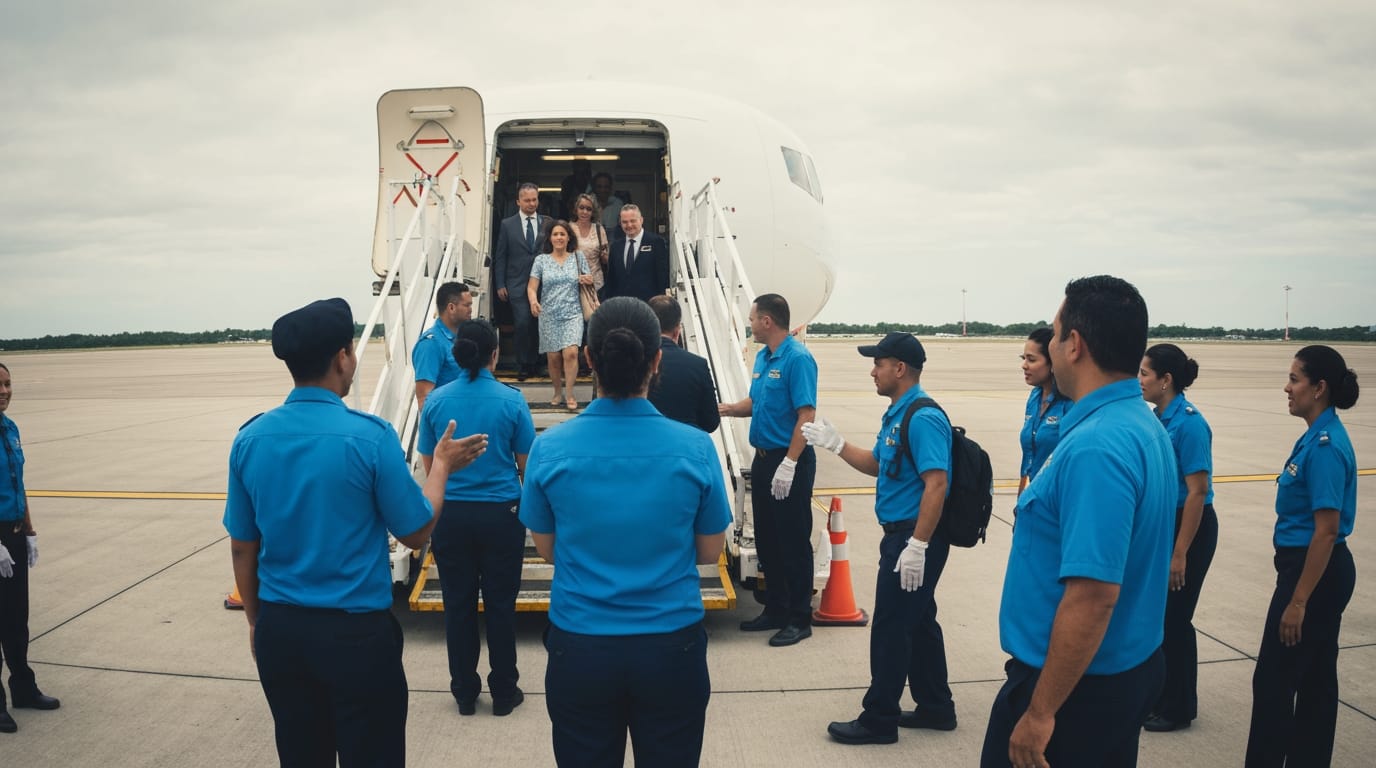
CARACAS, Venezuela – In a significant diplomatic and commercial milestone, the first direct commercial flight between the United States and Venezuela in seven years arrived in Caracas on Thursday, marking a tangible thaw in relations between the two nations. The American Airlines flight, operated by its subsidiary Envoy Air, departed Miami International Airport and touched down in the Venezuelan capital approximately three hours later, carrying government officials, journalists, and eager travelers seeking to reunite with family.
This resumption of direct air service represents a notable shift in the complex and often fraught relationship between Washington and Caracas. The flights signal a new phase of engagement, coming months after the U.S. capture of former Venezuelan President Nicolás Maduro in January and the subsequent restoration of full diplomatic relations, including the reopening of the U.S. embassy in Caracas.
A Seven-Year Hiatus Ends
Direct commercial air travel between the U.S. and Venezuela had been indefinitely suspended by the U.S. Homeland Security Department seven years prior, citing security concerns. The ban, formalized in 2019, followed a period of escalating political tension and diplomatic estrangement between the two countries. For nearly a decade, passengers traveling between the two nations were forced to rely on indirect routes through other Latin American countries, significantly prolonging travel times and increasing costs.
American Airlines, which was the last major U.S. carrier to operate flights to Venezuela, suspended its services in 2019, having previously been the largest U.S. airline in the country since it began operations in 1987. Other U.S. airlines, including Delta and United, had already ceased Venezuelan operations in 2017 amidst a deepening political crisis. The U.S. Transportation Secretary Sean Duffy lifted the 2019 order in January, following a directive from President Donald Trump, and subsequently approved American's request for flights in March. The Transportation Security Administration reviewed security measures at Caracas airport in March, paving the way for the renewed service.
Diplomatic Thaw and Economic Re-engagement
The resumption of these flights is directly linked to recent shifts in U.S.-Venezuelan relations. The U.S. government's decision to reopen its embassy in Caracas just a month prior underscored a broader effort to restore full diplomatic ties. U.S. President Donald Trump indicated in late January that all commercial airspace over Venezuela would be opened, assuring Americans they would be safe to visit. This announcement came after the U.S. capture of then-President Nicolás Maduro in early January. Maduro's replacement by acting President Delcy Rodríguez has been followed by a series of political and economic reforms aimed at loosening restrictions, including the release of political detainees and easing limits on foreign investment in Venezuela's oil sector. The U.S. has responded by easing sanctions on Venezuelan entities, signaling a potential for greater economic integration and increased foreign currency earnings.
Among the passengers on the inaugural flight was Jarrod Agen, director of the U.S. National Energy Dominance Council, who is scheduled to meet with Venezuelan officials and energy and mining executives. This visit is part of the Trump administration's efforts to facilitate the entry of U.S. companies into Venezuela, a nation boasting the world's largest proven oil reserves. This economic overture comes as Venezuela has moved to open its oil and mining sectors to private investment, with the U.S. easing sanctions previously imposed personally on Rodríguez. Venezuelan Transport Minister Jacqueline Faria expressed enthusiasm for the renewed flights, highlighting their importance for connectivity, development, and productivity. She projected an annual passenger volume of 100,000 for these renewed flights.
Human Connections and Future Prospects
The human element of this renewed connectivity is profound, particularly for the estimated 1.2 million Venezuelans residing in the United States, including a significant diaspora in South Florida. Many passengers on the inaugural flight expressed relief and excitement at the prospect of direct travel to see family. Lennart Ochoa of Miami, a passenger, described the ability to fly directly to Caracas to see family as "priceless." Another passenger, Isabel Parra, a travel agent, highlighted the previous inconvenience of lengthy layovers through other countries.
American Airlines plans to operate daily flights using an Embraer 175 aircraft and has announced a second daily flight between Miami and Caracas will commence on May 21. The airline stated that these flights aim to provide opportunities for business, leisure, and humanitarian travel. The State Department also updated its travel advisory for Venezuela in March, moving it from a "Do Not Travel" warning to a less severe "Reconsider Travel" advisory, citing ongoing risks of crime, kidnapping, terrorism, and poor health infrastructure.
Despite the positive developments, challenges remain. Some Venezuelans in the U.S. may still face hurdles with passports and visas due to the absence of a Venezuelan consulate operating in the U.S. However, the overall sentiment points toward a cautiously optimistic future. U.S. Charge d'affaires John Barrett, present at the welcoming event, underscored the significance of the day as a "historic milestone" in U.S.-Venezuela relations and a clear signal to global markets that Venezuela is "open for business."
A Symbol of Shifting Dynamics
The first direct commercial flight between the United States and Venezuela in seven years is more than just a renewed travel option; it symbolizes a deliberate effort by both nations to rebuild economic ties and foster greater connectivity after a prolonged period of diplomatic isolation and economic strain. This development, occurring alongside the restoration of full diplomatic relations and a strategic easing of sanctions, underscores a complex but discernible shift in U.S. foreign policy towards Venezuela. While significant political and economic challenges persist, the re-establishment of this direct air link offers a tangible pathway for family reunification, business development, and a gradual return to more normalized relations between the two countries.


