White House Declares Iran Conflict "Terminated," Pausing War Powers Clock Amid Congressional Scrutiny
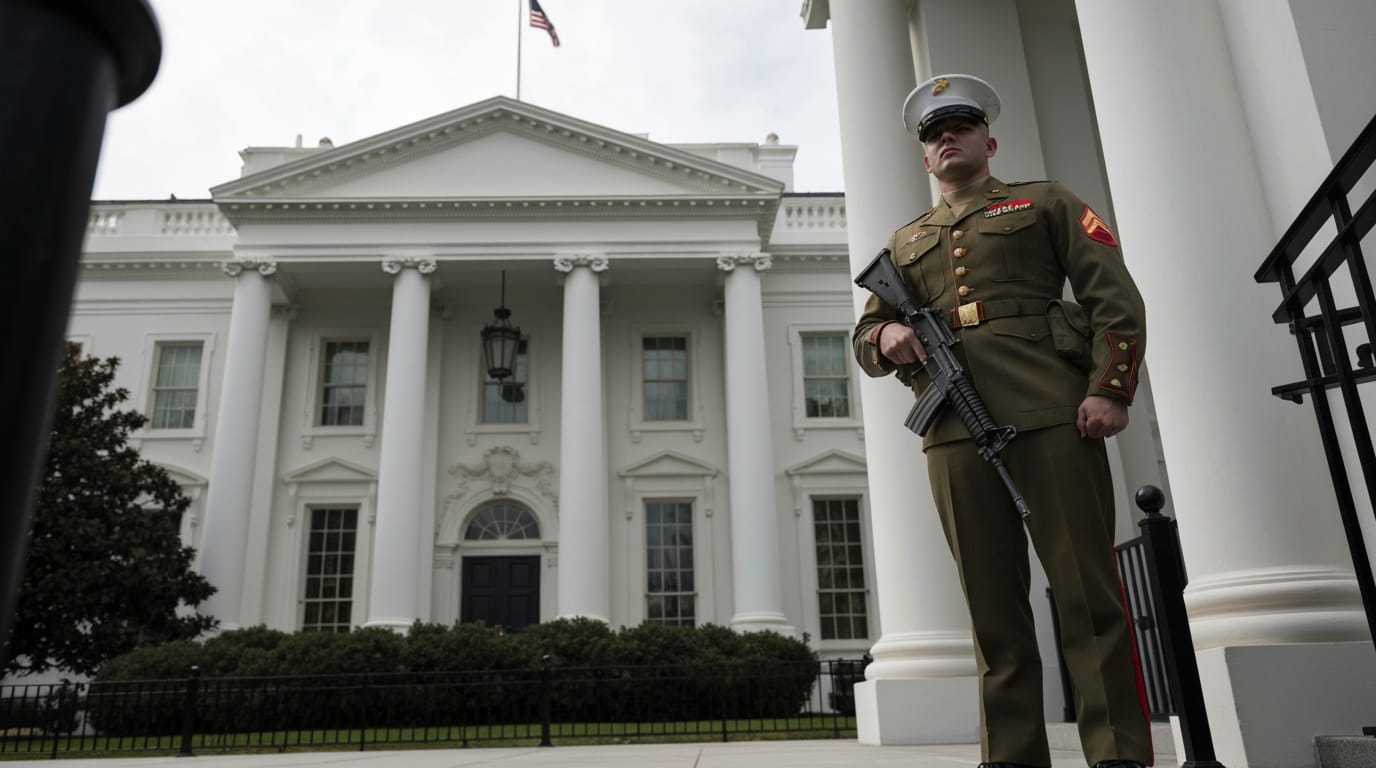
Washington, D.C. — The Trump administration has ignited a constitutional debate by asserting that a recent ceasefire with Iran has effectively "terminated" hostilities, thereby pausing or stopping the 60-day clock under the War Powers Resolution of 1973 and negating the immediate need for congressional authorization of military action. The declaration, made as a crucial May 1 deadline loomed, has drawn sharp criticism and legal challenges from members of Congress who contend the move undermines legislative authority over war-making.
The controversy centers on the interpretation of the 1973 War Powers Resolution, a law designed to constrain presidential military powers by requiring congressional consent for armed conflicts lasting longer than 60 days. With the deadline for seeking authorization or ending military engagement in Iran set to expire this Friday, the White House's stance presents a novel argument that a ceasefire equates to a termination of the conflict, thus bypassing a statutory requirement that many lawmakers consider sacrosanct.
The Administration's Legal Gambit
Defense Secretary Pete Hegseth articulated the administration's position during testimony before the Senate Armed Services Committee on Thursday. He maintained that the ceasefire, which took effect on April 8, meant the 60-day deadline stipulated by the War Powers Resolution had been paused or stopped. "Ultimately, I would defer to the White House and the White House counsel on that; however, we are in a ceasefire right now, which our understanding means the 60-day clock pauses or stops in a ceasefire," Hegseth stated. An unnamed senior Trump administration official further reinforced this perspective, reportedly telling media outlets that the hostilities that commenced on February 28 had been "terminated" for the purposes of the law.
This interpretation stands in stark contrast to the common understanding of the War Powers Resolution, which mandates that a president must either end the use of armed forces, obtain congressional authorization, or secure a 30-day extension within 60 days of notifying Congress of military engagement. The Trump administration had formally notified Congress of the military campaign against Iran on March 2, setting the 60-day countdown to Friday, May 1. The administration's argument suggests a legal loophole, allowing it to maintain an ongoing military posture, including a naval blockade, without explicit legislative approval by interpreting a cessation of active fire as an end to the "war."
Congressional Outcry and Constitutional Concerns
The White House's assertion was met with immediate and forceful opposition from several lawmakers, particularly Democrats, who accused the administration of attempting to circumvent congressional oversight. Democratic Senator Tim Kaine, a prominent voice on war powers, directly challenged Hegseth's interpretation during the committee hearing. "I do not believe the statute would support that," Kaine retorted, warning that the impending expiration of the 60-day clock would pose a "really important legal question for the administration." He emphasized that the deadline was not merely a suggestion but a statutory requirement.
Republican Senator Susan Collins also voiced her concerns, highlighting the mandatory nature of the deadline. She was among those who voted for a measure aimed at ending U.S. military action in Iran without congressional approval. This bipartisan skepticism underscores the enduring tension between the executive and legislative branches over the authority to commit the nation to armed conflict. Critics argue that allowing a ceasefire to reset or halt the War Powers clock could establish a dangerous precedent, granting presidents more unilateral power to engage in prolonged military actions without formal congressional declarations of war.
The Genesis of a Standoff: From Strikes to Ceasefire
The "Iran war" referenced by the administration began with a significant escalation of tensions in late February. On February 28, the United States, in conjunction with Israel, launched joint attacks on Tehran and other Iranian cities. These strikes reportedly resulted in the deaths of Iran's then-Supreme Leader Ali Khamenei, senior commanders, and numerous civilians. Iran swiftly retaliated with waves of missile and drone strikes targeting Israeli and U.S. assets across the Middle East, while also intensifying its control over the strategically vital Strait of Hormuz.
The initial notification to Congress on March 2 activated the War Powers Resolution. However, a ceasefire agreement, later extended, began on April 7, with active cessation of hostilities from April 8. This cessation of direct fire provided the Trump administration with the basis for its controversial legal argument. Despite the ceasefire, a U.S. naval blockade remains in effect, and the United States has moved to form a "Maritime Freedom Coalition" to ensure passage through the Strait of Hormuz and Persian Gulf waterways, inviting partner countries to join this new initiative.
Broader Implications and Political Landscape
The dispute over the War Powers Resolution unfolds against a backdrop of deep partisan divisions within the U.S. Congress. Democrats have consistently sought to reassert Congress's constitutional right to declare war, introducing resolutions aimed at forcing the Trump administration to either withdraw U.S. forces or secure explicit authorization. However, these efforts have largely been blocked by the Republican-controlled Senate and House of Representatives, where Trump's allies have voted them down almost unanimously.
The White House views these legislative efforts as attempts to "score political points" and "usurp the Commander-in-Chief's authority," arguing that such actions would undermine U.S. military effectiveness abroad. The ongoing standoff highlights a fundamental disagreement over the balance of power in foreign policy and national security. The administration's interpretation of the War Powers Resolution, if unchallenged or upheld, could significantly alter the framework for presidential war-making, potentially reducing Congress's influence on future military engagements.
Unresolved Questions on Presidential Authority
As the May 1 deadline passes, the legal and political ramifications of the Trump administration's declaration remain uncertain. While the White House maintains that the ceasefire has resolved the immediate need for congressional approval, critics within Congress argue that the statutory requirements of the War Powers Resolution cannot be so easily sidestepped. The controversy leaves open fundamental questions about the extent of presidential authority to commit the nation to armed conflict and the effectiveness of congressional checks and balances in an era of complex and often undeclared warfare. The precedent set by this interpretation of a "terminated" conflict due to a temporary cessation of fire could have lasting impacts on future U.S. foreign policy and the delicate constitutional balance between the executive and legislative branches.


