India Reels as Commercial LPG Prices Soar by Nearly ₹1,000, New Cylinder Rules Take Effect
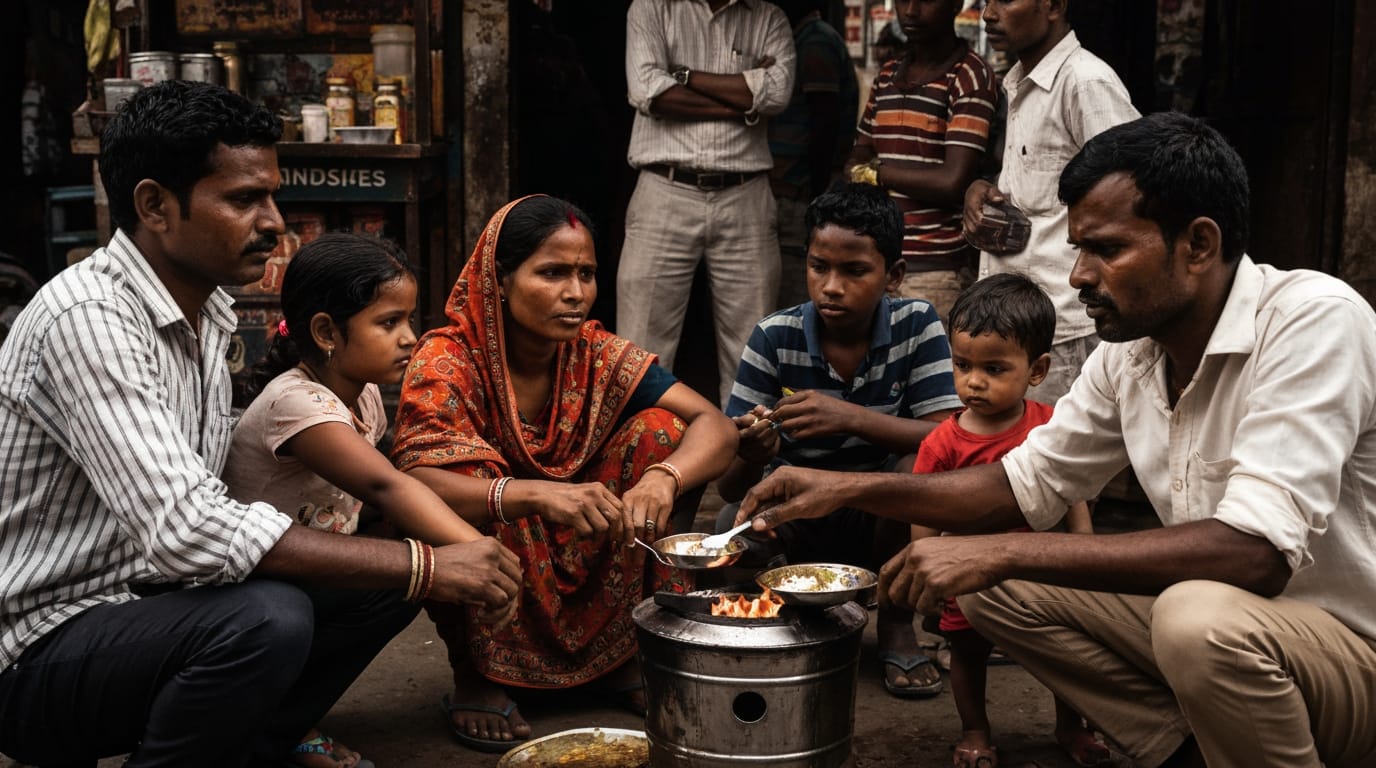
New Delhi, India – India's economic landscape is bracing for significant shifts as commercial Liquefied Petroleum Gas (LPG) prices witnessed a steep hike of nearly ₹1,000 per cylinder, effective May 1, 2026. This substantial increase, coupled with the implementation of stringent new rules for LPG cylinder booking and delivery, marks a pivotal moment for businesses and consumers across the nation. While households remain shielded from the immediate price surge, the ripple effects on various commercial sectors are expected to be profound.
The revised pricing means a 19-kg commercial LPG cylinder now costs ₹3,071.50 in Delhi, with similar proportional increases seen in major cities like Mumbai (₹3,024), Bengaluru (₹3,152), and Kolkata (₹3,202). This marks the third consecutive monthly increase, accumulating to a total hike of ₹1,303 over the past three months, driven primarily by volatile global energy markets and escalating geopolitical tensions.
Commercial Sector Bears the Brunt of Price Volatility
The sharp escalation in commercial LPG prices can be attributed to a confluence of global factors. Rising crude oil prices, with Brent crude hovering around $111-$126 per barrel and WTI crude above $105, are a primary driver. Geopolitical tensions in West Asia, particularly the ongoing US-Iran-Israel conflict, have significantly disrupted energy supply routes, notably the critical Strait of Hormuz, a conduit for nearly a fifth of the world's oil. India, heavily reliant on LPG imports (with about 66% of its domestic needs met by imports), is highly susceptible to these international fluctuations.
Oil marketing companies (OMCs) typically revise LPG rates at the beginning of each month to align with global pricing trends. The decision to pass on these increased costs primarily to the commercial segment stems from a government strategy to insulate the vast majority of household consumers. Commercial and bulk LPG constitute less than 1% of India's total LPG consumption, allowing OMCs to absorb a portion of the input costs for domestic cylinders while adjusting prices for the commercial sector.
Far-Reaching Implications for Businesses and the Economy
The ₹993 hike in commercial LPG prices is expected to hit businesses such as restaurants, hotels, catering services, bakeries, and small-scale manufacturing particularly hard. These enterprises rely heavily on commercial LPG for their daily operations, making them vulnerable to increased input costs. Industry experts anticipate that a portion of these elevated operating expenses will inevitably be passed on to consumers, potentially leading to higher prices for food and services. This could contribute to inflationary pressures, affecting household budgets indirectly despite unchanged domestic cylinder rates.
While the government's move aims to protect ordinary citizens, the cumulative effect of repeated commercial price hikes could strain the profitability of numerous small and medium-sized businesses, some of which may struggle to absorb the additional burden. Previous increases of ₹144 in March and nearly ₹200 in April had already placed pressure on these sectors, with the latest surge marking the steepest single increase.
Overhaul of LPG Cylinder Booking and Delivery Rules
Coinciding with the price adjustments, India has rolled out a series of significant changes to LPG cylinder booking and delivery protocols, also effective May 1, 2026. These new rules, spearheaded by major state-run oil marketing companies like Indian Oil Corporation, Bharat Petroleum, and Hindustan Petroleum, aim to enhance monitoring, curb misuse, and streamline distribution.
A key alteration is the mandatory implementation of the Delivery Authentication Code (DAC) system. Under this system, customers must provide a One-Time Password (OTP) sent to their registered mobile number at the time of delivery for the cylinder to be handed over. This measure replaces the traditional method of physical blue book or receipt verification, strengthening security and ensuring that subsidized cylinders reach their intended beneficiaries.
Furthermore, booking intervals for LPG cylinders have been revised to prevent hoarding and black marketing. In urban areas, the minimum gap between two consecutive bookings has been extended from 21 days to 25 days. For rural areas, this interval can now stretch up to 45 days. Automated systems will reject any booking attempts made before these stipulated periods.
Addressing Dual Connections and Ensuring Fair Distribution
In a move to rationalize the subsidy system and prioritize LPG access for those without alternative energy sources, the government has intensified its crackdown on dual connections. Households with active piped natural gas (PNG) connections are now mandated to surrender their domestic LPG connections. Such households will no longer be eligible for LPG refills or new connections. Oil marketing companies have been instructed to halt LPG supplies to these consumers after a three-month grace period, ensuring that cylinders are primarily directed towards rural and underserved regions. Reports indicate that over 43,000 dual connection users have already complied by surrendering their cylinders.
Additionally, beneficiaries of the Pradhan Mantri Ujjwala Yojana (PMUY), a scheme providing subsidized LPG connections to economically disadvantaged households, are now required to complete Aadhaar eKYC to continue receiving their subsidies. This step aims to further enhance transparency and prevent the diversion of subsidized fuel.
Domestic Stability Amidst Global Flux
Despite the significant turbulence in commercial LPG prices and the sweeping changes in distribution rules, the price of the standard 14.2-kg domestic LPG cylinder has remained unchanged for households. A 14.2-kg cylinder continues to cost ₹913 in Delhi, a rate last revised in March with a ₹60 increase. This stability for domestic consumers is a deliberate policy by the government to shield household budgets from the volatility of global energy markets and inflation.
The latest developments underscore India's ongoing efforts to navigate a complex global energy landscape. While the hike in commercial LPG prices poses immediate challenges for businesses, the simultaneous introduction of stricter cylinder rules reflects a concerted push towards a more equitable, efficient, and transparent LPG distribution system across the country. The coming months will reveal the full extent of the impact on both the commercial sector and the broader economy as businesses adapt to these new realities.


