Disney's 'Snow White' Opens Amidst a Storm of Controversy
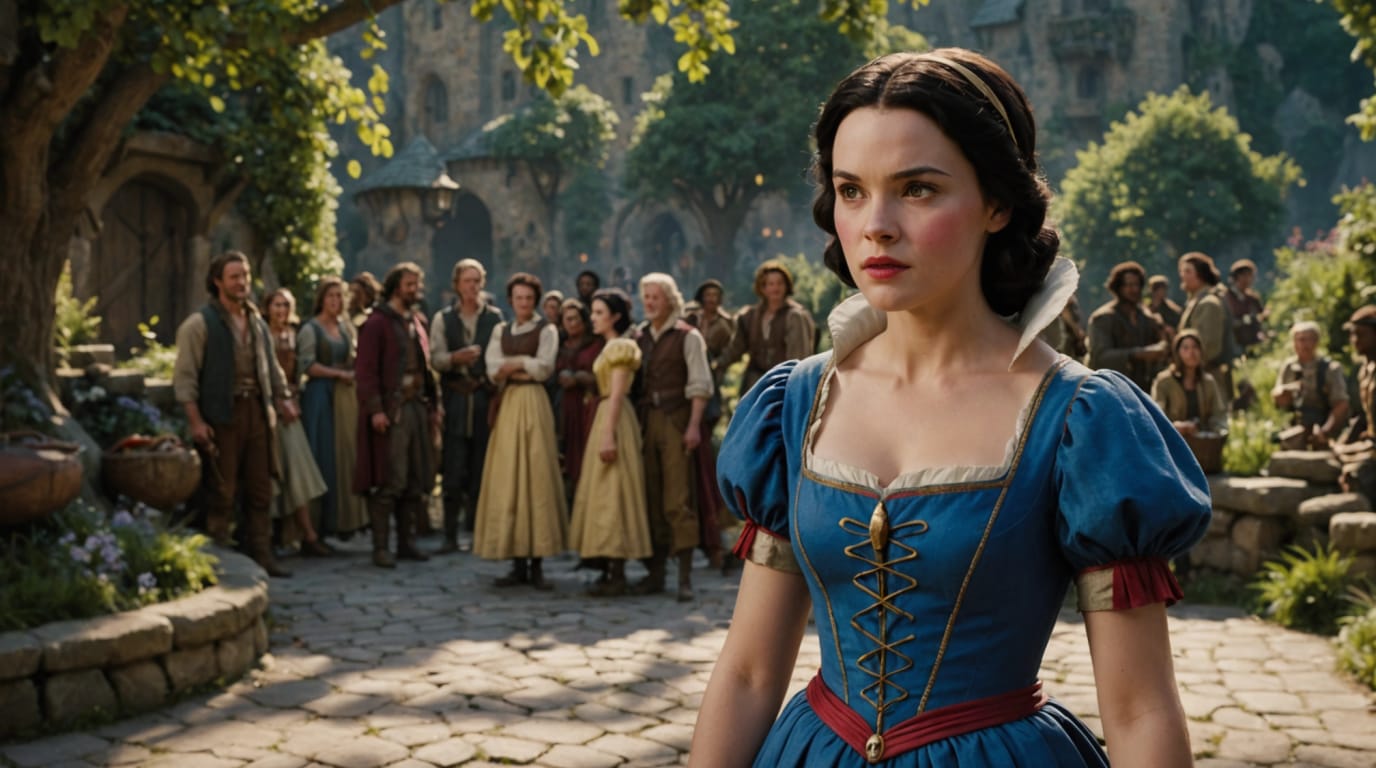
Disney's live-action remake of "Snow White," set to release on March 21, 2025, arrives in theaters shadowed by a persistent wave of controversy. From casting choices to perceived alterations of the original story's themes, the film has become a lightning rod for criticism, sparking debates about representation, political correctness, and the very essence of adapting classic fairy tales for a modern audience. The scale of the backlash has prompted Disney to scale back the film's premiere, limiting press access and fueling speculation about the studio's confidence in the project.
Casting and Representation
The initial spark of controversy ignited with the casting of Rachel Zegler, an actress of Colombian and Polish descent, in the titular role. Some critics voiced their disapproval, arguing that the casting deviated from the traditional depiction of Snow White as having "skin as white as snow." This criticism was swiftly condemned by many as racist, with supporters of Zegler pointing out the importance of representation and the outdated nature of restricting roles based on ethnicity. Conservative commentators joined the fray, further amplifying the controversy and turning the casting decision into a cultural flashpoint.
Modernizing the Fairy Tale
Further fueling the fire were comments made by Zegler regarding the original 1937 animated film. She described the classic as "dated" and criticized its portrayal of women and its focus on a romantic storyline. Zegler characterized the prince as a "stalker" and suggested that the remake would focus on Snow White's journey to becoming a leader rather than finding true love. These remarks drew sharp criticism from some Disney fans, who accused Zegler of disrespecting the source material and prioritizing "woke" messaging over authentic storytelling. Some critics argued that not all female characters need to be portrayed as "girl bosses" and that there is value in the traditional fairy tale narrative.
In response to the backlash, Zegler has defended her comments, emphasizing the importance of updating classic stories to reflect modern values. She explained that the remake would offer a fresh perspective on Snow White, portraying her as a resilient and independent character who dreams of becoming a leader. The film will also offer a different backstory for Snow White's name, referencing a snowstorm she survived as a baby, rather than focusing on her skin color.
The Dwarfs and Ableism
Another significant point of contention revolves around the portrayal of the seven dwarfs. Peter Dinklage, an actor with dwarfism, criticized Disney's decision to remake "Snow White" while maintaining the traditional depiction of the dwarfs, calling it a "backwards story." He argued that the original film perpetuated harmful stereotypes and that Disney was being hypocritical by celebrating the casting of a Latina actress while continuing to portray dwarfs in a potentially offensive manner.
Following Dinklage's criticism, Disney announced that it would be taking a "different approach" to the seven companions, replacing them with "magical creatures" to avoid reinforcing stereotypes. This decision sparked further controversy, with some actors with dwarfism expressing their disappointment and anger at being excluded from the film. Critics argued that Disney was erasing dwarfism from the story and denying actors with dwarfism the opportunity to play these roles. Some actors with dwarfism are planning to protest outside Disney Studios, arguing that the remake is "unacceptable".
Political Undercurrents
Adding another layer of complexity to the situation is the political backdrop surrounding the film's two lead actresses. Gal Gadot, who plays the Evil Queen, has been a vocal supporter of Israel, while Zegler has expressed support for Palestine. Their differing views on the Israeli-Palestinian conflict have fueled speculation about a potential feud between the two stars and have raised concerns about the film becoming embroiled in political debates.
Zegler has been publicly pro-Palestine since 2021. After a "Snow White" trailer was released in August 2024, Zegler thanked her followers on X, adding, "always remember, free Palestine." Gadot has denounced those who are "celebrating, justifying and cheering on a massacre of Jews." Despite their differing views, the two actresses appeared onstage together at the 97th Academy Awards on March 2, 2025, where they presented the Oscar for best visual effects.
A Scaled-Back Premiere
The numerous controversies surrounding "Snow White" have seemingly prompted Disney to adopt a cautious approach to the film's release. The premiere was scaled back, with journalists excluded from the red carpet and limited press availability. This decision has been interpreted by some as an attempt to control the narrative and prevent any further controversies from erupting. Some believe Disney is trying to appease online critics and avoid any unflattering commentary.
A Poisoned Apple?
As "Snow White" prepares to open in theaters, its fate remains uncertain. The film faces significant headwinds, with some viewers already vowing to boycott it. Whether the controversies will overshadow the film's merits and impact its box office performance remains to be seen. Some critics praise Zegler's performance, the music, and the costumes, while others criticize the CGI dwarfs.
Disney's live-action remakes have seen varying degrees of success, with some achieving critical acclaim and box office success, while others have been met with disappointment. "The Jungle Book" (2016) and "Cinderella" (2015) are often cited as successful examples, while "Dumbo" (2019) and "Pinocchio" (2022) have been considered less successful. The studio has several live-action remakes in development, including "Moana," "Hercules," and "Tangled."
Ultimately, the success of "Snow White" will depend on whether audiences can look beyond the controversies and embrace the film's reimagining of the classic fairy tale. The film's performance will also serve as a test case for Disney's approach to adapting classic stories for a modern audience and navigating the increasingly complex landscape of representation and cultural sensitivities.