Donbas's Unyielding Spirit: A Region Fighting for its Very Existence
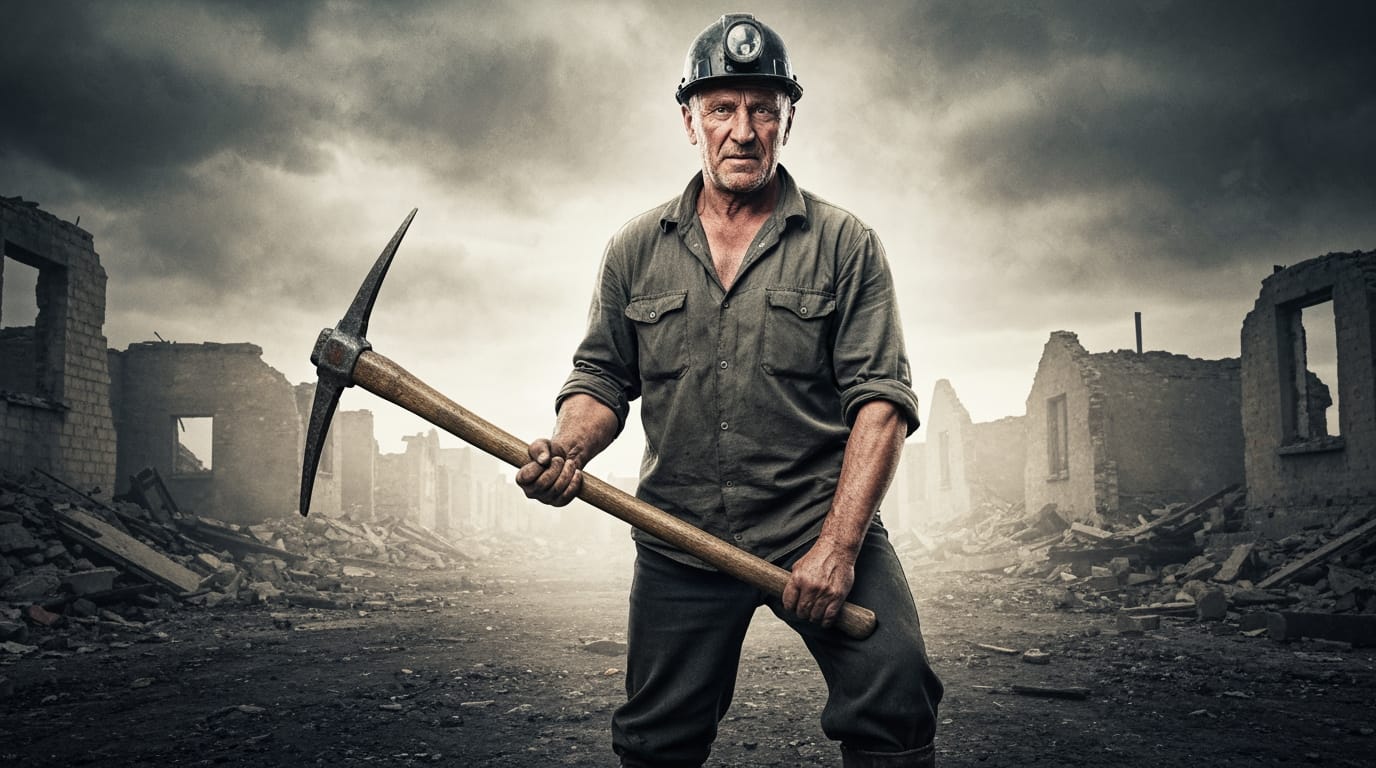
POKROVSK, Ukraine – In the war-torn Donbas region of eastern Ukraine, a steadfast resolve has taken root amidst the ruins of a protracted conflict. For more than a decade, and with intensified ferocity since the full-scale invasion in February 2022, residents of this embattled territory have faced relentless bombardment, displacement, and immense hardship. Yet, a defiant spirit persists, encapsulated by the harrowing sentiment: "If we give up, there will be nothing left." This declaration underscores not only the profound attachment to their land but also the understanding that capitulation would mean the complete erasure of their identity and way of life.
A Decade of Conflict and Catastrophic Human Cost
The Donbas region has been the epicenter of a brutal conflict since April 2014, predating Russia's full-scale invasion. The initial clashes between Ukrainian government forces and pro-Russian separatists quickly devolved into a devastating war that has claimed thousands of lives and uprooted millions. Between 2014 and 2019 alone, over 1,000 individuals were killed by landmines or other explosives, highlighting a persistent danger that continues to menace civilians. By early December 2015, the State Emergency Service of Ukraine had cleared over 44,000 mines, but countless unexploded devices remain, posing an ongoing threat, particularly to children. Reports in 2015 indicated that 28 children had been casualties due to mines and unexploded ordnance.
The escalation of hostilities in 2022 plunged the region into an even deeper humanitarian crisis. As Ukraine enters its fifth year of full-scale war, the humanitarian situation remains severe, driven by relentless attacks on civilians and critical civilian infrastructure. Cities like Mariupol, Kramatorsk, and Slovyansk have endured devastating bombing and shelling, leading to widespread destruction of homes, schools, hospitals, and businesses. Civilian casualties continue to mount; in March 2026 alone, at least 211 civilians were killed and 1,206 injured, primarily due to long-range weapons, drones, artillery, and aerial bombs. This ongoing violence has led to mass displacement, with millions forced to flee their homes, contributing to a significant population decrease in insurgent-held areas of Donbas, dropping by a third from pre-war levels. Many of those forced to stay are the elderly, destitute, or those physically unable to leave, enduring conditions described as a constant struggle for survival under total war.
Daily Life Under the Shadow of War
For those who remain in Donbas, existence is a daily struggle against a backdrop of ceaseless aggression. Russian forces continue to intensify pressure, with shelling, artillery, and missile attacks occurring on a daily basis. The systematic targeting of critical infrastructure, including energy, railway, and port facilities, severely disrupts daily life and puts civilians at immense risk. Access to basic services like water, gas, electricity, and telecommunications is frequently interrupted or completely cut off, turning simple necessities into luxuries.
The psychological toll on the population is profound, particularly for children. A 2015 assessment by UNICEF in Donetsk Oblast revealed that approximately half of all children aged 7–18 had been directly exposed to adverse or threatening events. In Russian-controlled territories, the challenges extend beyond physical safety to include concerns over human rights violations and cultural assimilation. Reports document instances of men being forcibly enrolled in armed forces or compelled to dig trenches. Children in these areas often lose access to Ukrainian education, with Russian textbooks and grading systems being imposed. These conditions underscore the pervasive impact of the conflict on every aspect of civilian life, transforming communities into landscapes of survival.
The Unwavering Spirit: "There Will Be Nothing Left"
The sentiment, "If we give up, there will be nothing left," resonates deeply within the Donbas population. This statement is not merely an expression of despair but a declaration of defiance and an assertion of identity. While historical loyalties in Donbas were complex, with some areas exhibiting pro-Russian sentiment, the full-scale invasion of 2022 has largely solidified a Ukrainian identity for many, including Russian-speaking residents. The destruction wrought by the conflict has paradoxically strengthened the resolve to resist, transforming the land into one "sprinkled with our blood," making any notion of ceding territory unacceptable to many.
The concept of a "land for peace" deal is largely rejected by those who have endured the conflict. Many, like Pasha, a 34-year-old former coal miner from Pokrovsk who now serves as a drone commander, believe that Russia's "imperialistic ambitions" would not cease with territorial concessions. The failure of past agreements, such as the Minsk protocols, which were "scrapped" by Russia two days before the 2022 invasion, reinforces the conviction that negotiating would only provide Moscow with time to rearm for future aggression. Ukrainian President Volodymyr Zelenskyy has echoed this sentiment, arguing that any withdrawal from Donbas would "open up opportunities for the Russian Federation to occupy [Ukraine's] most fortified territories without losses." For many, the fight is not just for territory but for the fundamental right to self-determination and the protection of their heritage.
Resilience and the Path Forward
Despite the immense destruction and suffering, resilience remains a defining characteristic of the Donbas population. Studies indicate that communities in active war zones exhibit greater resilience and engagement with their local leadership, often fostering a stronger sense of cohesion in the face of shared threat. Civil society organizations and local authorities play a crucial role in supporting the population, even as the challenges are enormous. This resilience is embodied in the commitment of Ukrainians to restore their country's sovereignty within its internationally recognized 1991 borders, with approximately 80 percent of respondents to surveys expressing this view.
However, the future of Donbas remains fraught with challenges. Even if the active conflict were to cease, the region faces an uphill battle in terms of reconstruction and repopulation. The initial pace of recovery would likely be insufficient given Ukraine's financial capacity and the inherent instability of frontline areas. A massive return of residents is not encouraged due to the ongoing security risks and weak local economy. The repopulation of Donbas is projected to be a long and complex process, potentially drawing parallels to historical patterns of militarized frontier settlement. Nevertheless, the unwavering determination of the people of Donbas, who have endured so much and continue to fight for their homeland, signals a deep-seated hope that, despite the devastation, their spirit will ultimately prevail.
The fate of Donbas continues to be a poignant reminder of the human cost of conflict and the indomitable will of those who refuse to surrender their homes and identity. As the battles rage on, the enduring spirit of its people, encapsulated in their desperate plea not to give up "because there will be nothing left," serves as a testament to their profound connection to the land and their relentless pursuit of a future free from conflict.


