Dozens Killed in Niger Mosque Attack; Islamic State Suspected
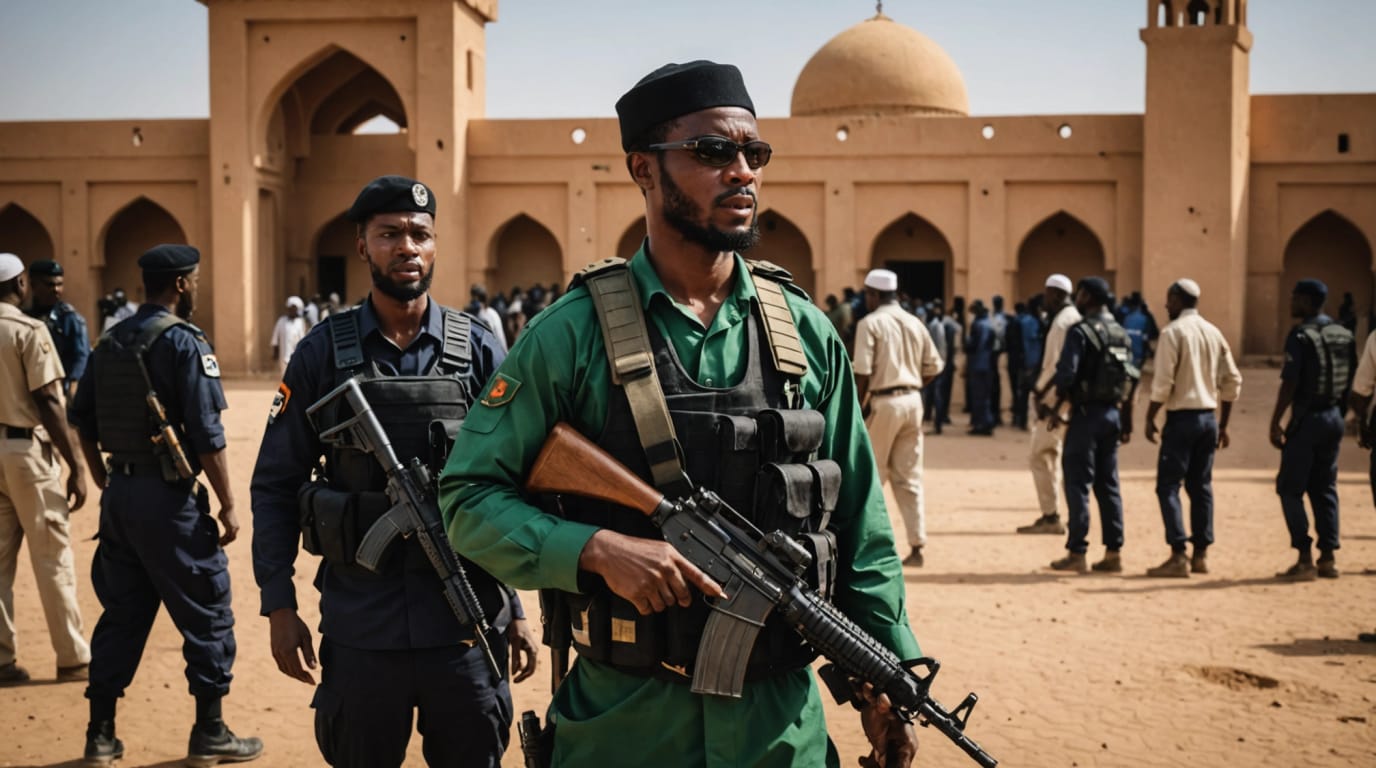
DAKAR, Senegal – At least 44 civilians were killed Friday in an attack on a mosque in southwestern Niger, near the borders of Mali and Burkina Faso. The Nigerien government has blamed the Islamic State in the Greater Sahara (ISGS) for the assault, which occurred during Friday prayers in the village of Fonbita, part of the rural commune of Kokorou. The attack highlights the escalating security crisis in the Sahel region, where extremist groups continue to exploit instability.
The Interior Ministry released a statement condemning the "cowardly and inhumane act," stating that heavily armed terrorists surrounded the mosque around 2 p.m. local time, opening fire on worshippers. In addition to the fatalities, 13 people were severely injured, with four reported to be in critical condition. The attackers also set fire to a local market and homes before retreating.
The government has declared three days of national mourning, beginning Saturday, with flags to be flown at half-mast across the country. Public events are expected to be subdued as the nation grieves. Authorities have promised a thorough investigation and a robust response to bring the perpetrators to justice.
Attack Details and Aftermath
According to the Interior Ministry, the attack was a "deliberate strike against civilians." Witnesses reported that the assailants acted with "rare cruelty," surrounding the mosque as worshippers gathered for Friday prayers, a significant time for Muslims. The ministry vowed to hunt down the perpetrators and bring them to trial.
The attack's aftermath has left the village of Fonbita in shock and mourning. The injured are receiving medical treatment, and authorities are working to provide support to the affected families. The burning of the market and homes has further exacerbated the community's suffering, leaving many displaced and without essential resources.
Regional Instability and Militant Activity
The southwestern region of Niger, particularly areas near the borders with Mali and Burkina Faso, has experienced a surge in violence in recent years. Militant groups, including those affiliated with al-Qaeda and the Islamic State group, have exploited the instability to carry out deadly raids on villages and security forces.
Niger, along with its neighbors Burkina Faso and Mali, has battled a decade-long insurgency by jihadi groups. Following military coups in all three nations in recent years, the ruling juntas have expelled French forces and turned to Russia's mercenary units for security assistance. The three countries have vowed to strengthen their cooperation by establishing a new security alliance, the Alliance of Sahel States.
The security situation in the Sahel, a vast region on the fringes of the Sahara Desert, has significantly worsened since the juntas took power, analysts say, with a record number of attacks and civilians killed by both Islamic militants and government forces.
Islamic State in the Greater Sahara (ISGS)
The Nigerien government has attributed the attack to the Islamic State in the Greater Sahara (ISGS), a militant group active in the Sahel region. While no group has claimed responsibility, the Interior Ministry's attribution aligns with the group's known presence in the area. The Associated Press was unable to reach the ISGS for comment.
ISGS has been responsible for numerous attacks in the region, targeting both civilians and military personnel. The group's activities have contributed to the displacement of communities and the overall instability of the Sahel.
International Response and Security Challenges
The attack underscores the security challenges facing the Sahel nation, despite efforts by the government and international partners to curb the insurgency. The persistent threat of extremist violence continues to leave communities vulnerable.
The international community has condemned the attack and expressed solidarity with the people of Niger. Calls for increased cooperation and support for counter-terrorism efforts in the region have grown louder.
The United Nations and other international organizations are working with the Nigerien government to provide humanitarian assistance and strengthen security measures. However, the vastness of the region and the complexity of the security landscape pose significant challenges.
A Nation in Mourning
The latest killings add to a growing toll of civilian casualties in Niger, where communities remain vulnerable to the persistent threat of extremist violence. The attack on the mosque in Fonbita is a stark reminder of the human cost of the ongoing conflict.
As Niger enters three days of national mourning, the nation grapples with grief and uncertainty. The government has vowed to intensify efforts to combat terrorism, but the road ahead remains challenging. The people of Niger, resilient in the face of adversity, will need continued support from the international community as they work to build a more secure and peaceful future.


