DR Congo Accuses Rwanda-Backed Rebels of 1,500 Deaths in Escalating Eastern Conflict
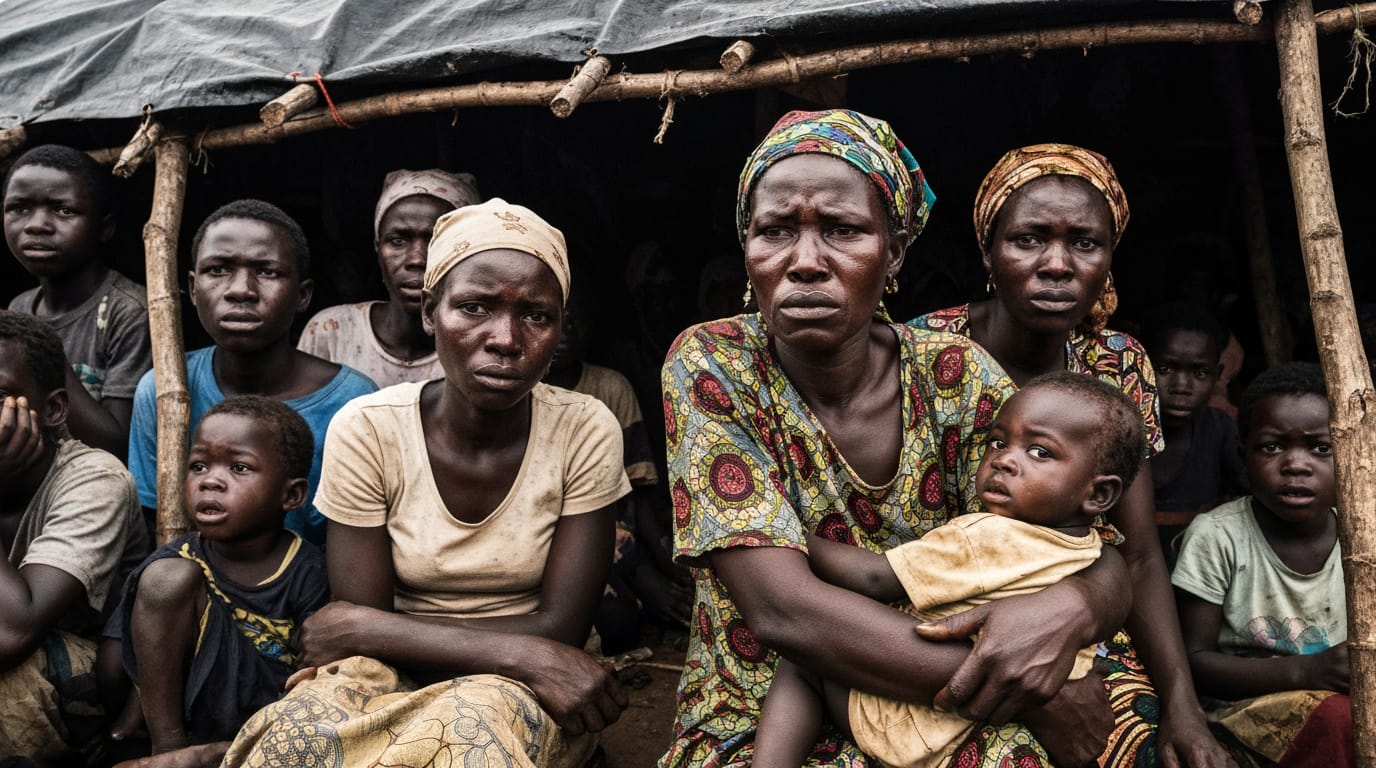
KINSHASA, Democratic Republic of Congo – The volatile eastern region of the Democratic Republic of Congo (DRC) has plunged deeper into crisis, with the Congolese government accusing neighboring Rwanda of orchestrating the deaths of over 1,500 civilians since early December. These grave allegations point to a renewed offensive by the M23 rebel group, which Kinshasa claims is directly supported by Rwandan forces through a combination of ground troops, bombs, and kamikaze drones, further unraveling a fragile peace process and exacerbating an already dire humanitarian situation. The accusations come just weeks after a U.S.-brokered peace deal was signed, highlighting the persistent and deadly complexities of the conflict.
The Latest Wave of Violence and Damning Accusations
According to official statements from the DRC government, the provisional death toll of civilians stemming from what it describes as "Rwandan operations" has surpassed 1,500 since the beginning of December. These operations are alleged to involve the combined use of bombs and drones, signaling a sophisticated and devastating military campaign. The timing of this renewed aggression is particularly concerning, as it commenced shortly after a peace agreement between the Congolese and Rwandan governments was brokered by the United States on December 4. Despite this diplomatic effort, the M23 rebels rapidly seized the strategic city of Uvira on December 10, gaining control of a vital land border with Burundi and causing tens of thousands to flee across the frontier. While the M23 later announced a withdrawal from Uvira, both Kinshasa and Washington have expressed skepticism regarding the sincerity of this claim, with local sources indicating that M23 members and police officers remained in the city. The DRC government further alleges that Rwanda has deployed "three new Rwandan battalions" into the eastern South Kivu province, with an apparent objective to advance towards the "strategic Kalemie axis" in the mineral-rich southeastern province of Tanganyika. This reported escalation has been met with strong condemnation from Congolese authorities, who characterize it as a "clear act of aggression against national sovereignty" and a "serious and repeated violation of international law."
A Troubling History of Alleged External Support
The M23, or March 23 Movement, has been a significant force in eastern DRC since its resurgence in 2021. The group, largely composed of Congolese Tutsi fighters, has seized vast swathes of mineral-rich territory, leading to a spiraling humanitarian crisis. For years, various reports from international bodies, including the United Nations Group of Experts and Human Rights Watch, have consistently detailed alleged Rwandan support for the M23. These reports suggest that Rwanda provides military aid, advanced weaponry – including air defense systems and armed drones – and strategic planning to the rebel group. Earlier this year, Human Rights Watch documented over 140 civilian killings by M23 rebels in July alone, particularly in villages and farming areas near Virunga National Park, with credible reports suggesting the number could exceed 300 in Rutshuru territory. The UN human rights office also reported at least 319 civilians killed by M23 fighters, aided by elements of the Rwanda Defence Force, between July 9 and 21. The United States Ambassador to the UN has also accused Rwanda of deploying a substantial number of troops, potentially up to 7,000, inside Congolese territory, and has called for Rwanda to cease all support to M23 and withdraw its forces.
Devastating Humanitarian Consequences and Regional Instability
The ongoing conflict has inflicted a catastrophic toll on the civilian population of eastern DRC. The recent M23 offensive has led to the displacement of hundreds of thousands of people, with over 80,000 fleeing across the border into Burundi and at least half a million internally displaced within South Kivu province alone. This displacement adds to the millions already uprooted by decades of conflict in the region. Humanitarian agencies warn of a rapidly deteriorating situation, with insecurity restricting access for aid groups and health services collapsing in affected areas. The UN humanitarian coordination office, OCHA, has reported that aid workers themselves have been among those killed, and widespread human rights violations are rampant. The UN peacekeeping mission in the DRC (MONUSCO) remains concerned about the volatile security situation and its impact on civilians. The renewed fighting not only deepens the humanitarian crisis but also heightens fears of a wider regional conflict, undermining fragile peace efforts and threatening to destabilize the entire Great Lakes region.
Rwanda's Denials and the Broader Geopolitical Landscape
Rwanda consistently denies allegations of supporting the M23 rebels. Kigali maintains that it faces an existential threat from armed groups operating in eastern Congo, particularly those with links to the perpetrators of the 1994 Rwandan genocide against the Tutsis. The M23 group, for its part, also denies any links to Rwanda and asserts that its primary objective is to overthrow the Congolese government, citing claims of political exclusion and a failure to protect certain communities. The mineral wealth of eastern DRC, including tantalum and tungsten, plays a significant role in the ongoing conflict, with UN reports indicating that these minerals are often smuggled towards Rwanda. The international community, while condemning the violence and calling for accountability, finds itself in a complex diplomatic landscape, attempting to mediate peace deals that have repeatedly failed to hold amidst deep-seated mistrust and conflicting national interests.
The latest accusations from the DRC government underscore the urgent need for a durable resolution to the protracted conflict in its eastern territories. The alleged deaths of 1,500 civilians signal a severe deterioration of security and a profound humanitarian tragedy, demanding sustained international attention and concrete actions to protect vulnerable populations and ensure accountability for those responsible for atrocities. The continued cycle of violence, allegations, and denials obstructs any path toward lasting peace and perpetuates immense suffering across the region.


