Drought Deepens Religious Fault Lines, Escalating Conflict in Nigeria
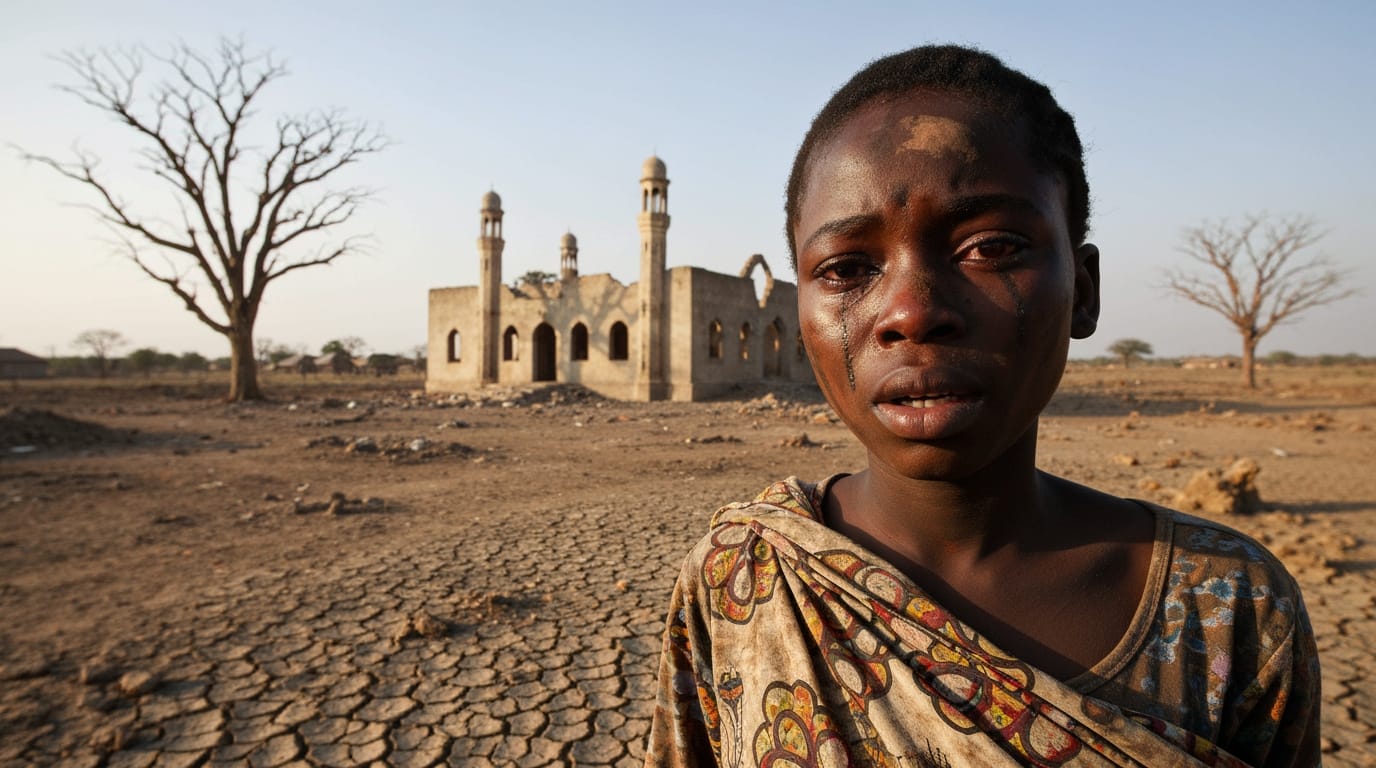
Abuja, Nigeria – A severe confluence of environmental degradation and entrenched religious divisions is fueling a deadly cycle of conflict across Nigeria, particularly in its vulnerable Middle Belt region. As relentless droughts and desertification ravage the northern parts of the country, the competition for dwindling resources like fertile land and water intensifies, exacerbating long-standing tensions between predominantly Muslim pastoralists and Christian farming communities, leading to widespread violence, displacement, and a profound threat to national stability.
The Environmental Pressure Cooker: Drought and Southern Migration
Northern Nigeria, particularly the Sahel region, has long grappled with the devastating impacts of climate change, characterized by erratic rainfall, rising temperatures, and the alarming expansion of desertification. Over the past five decades, as much as 35% of previously cultivable land in eleven of Nigeria's northern states has turned to desert, and the rainy season has shrunk significantly from 150 to 120 days annually. This environmental crisis has led to a 20% decline in crop yields and the dramatic depletion of vital water bodies like Lake Chad, displacing millions.
The consequence is a large-scale southward migration of nomadic Fulani herders, overwhelmingly Muslim, in search of grazing pastures and water for their livestock. This movement often brings them into direct conflict with sedentary farming communities, largely Christian, who inhabit the more fertile lands of Nigeria's Middle Belt. The clash over scarce resources is a primary driver of the escalating violence, with land and water emerging as critical flashpoints.
The Religious Overlay: Turning Scarcity into Sectarian Strife
While the root cause often lies in resource scarcity, these farmer-herder clashes are frequently amplified and complicated by Nigeria's deep-seated religious and ethnic divides. The Middle Belt is a geographical and cultural crossroads where the predominantly Muslim north meets the largely Christian south, creating a volatile environment where ethnic, religious, and land-use boundaries often overlap. In these areas, conflicts that might otherwise be seen as resource disputes take on a dangerous sectarian character.
Studies indicate that where Muslim herders encounter a predominantly Christian sedentary population, droughts significantly fuel pastoralist violence. This interaction between environmental stress and religious cleavages creates particularly potent conditions for intercommunal violence. Perceptions of the conflict itself often differ along religious lines; Christians are notably more prone to attribute the violence to religious causes, whereas Muslims tend to perceive these armed clashes as direct consequences of ecological problems. Interestingly, in areas where Muslim herders and Muslim farmers share the same faith, the occurrence of droughts does not appear to increase the likelihood of conflict, suggesting that a shared religious identity can foster trust and help mitigate tensions.
However, the religious dimension is often exploited and accentuated, transforming resource disputes into broader ethno-religious warfare. Factions of radical Fulani herders, for instance, have been accused of adopting tactics similar to extremist groups like Boko Haram, including targeting Christian leaders, communities, and churches, and expelling Christian farmers from their ancestral lands.
A Deadly Escalation and Widespread Displacement
The human cost of this escalating conflict is immense. Nigeria records the highest incidence of farmer-herder conflicts and related fatalities in Africa. Thousands of lives have been lost, with an Amnesty International report indicating over 2,000 deaths in 2018 alone from clashes between farmer and herder communities, predominantly in the Middle Belt states. These attacks have resulted in horrific accounts of massacres, homes burned, and life-changing injuries, leading to fears of genocide among some communities.
The violence forces millions from their homes, contributing to a massive internal displacement crisis. More than 1.5 million people, mostly farmers, have fled their residences due to ethno-religious conflicts. This displacement not only uproots individuals but also destroys livelihoods, pushing many into unemployment and further exacerbating poverty. The destruction of farms due to conflict has devastated the agricultural sector, leading to food shortages and increased food prices, making sustenance unaffordable for many.
Undermining Stability and National Security
The intertwining of drought-induced resource scarcity and religious division poses a severe threat to Nigeria's national security and unity. These conflicts undermine traditional leadership structures and erode the social fabric of the nation, fostering deep suspicion and distrust between Muslim and Christian communities. The prolonged instability discourages foreign investment and exacerbates economic imbalances, creating fertile ground for radicalization and criminal activity, as desperate, jobless Nigerians are sometimes recruited by militant groups.
The government's perceived failure to effectively manage land resources and provide sustainable solutions further complicates the crisis. This indifference can perpetuate the violence, highlighting the urgent need for a more active and comprehensive response.
Charting a Path Towards Resilience and Peace
Addressing Nigeria's complex crisis requires a multi-faceted approach that tackles both the environmental root causes and the religious dimensions of conflict. Strengthening the capacity of security agencies to respond promptly to outbreaks of violence is crucial. However, long-term solutions must focus on fostering interreligious dialogue to build mutual trust and prevent resource-based disputes from escalating into sectarian violence. Initiatives that encourage education and grassroots networks can improve communal relations and challenge narratives of hate.
Furthermore, economic development initiatives that create opportunities outside of traditional agriculture and pastoralism can reduce competition over finite resources. Integrating indigenous knowledge into environmental and legal policy structures can also offer culturally sensitive approaches to resource management and conflict resolution. The Nigerian government must promote national integration and economic progress, while religious leaders are called upon to advocate for peace and coexistence among their followers. Only through a concerted effort that combines environmental rehabilitation, economic diversification, and genuine interfaith reconciliation can Nigeria hope to break the destructive cycle of drought-fueled religious conflict.


