Druzhba Pipeline Repaired, Ukraine Unlocks Critical EU Aid Amid Lingering Energy Concerns
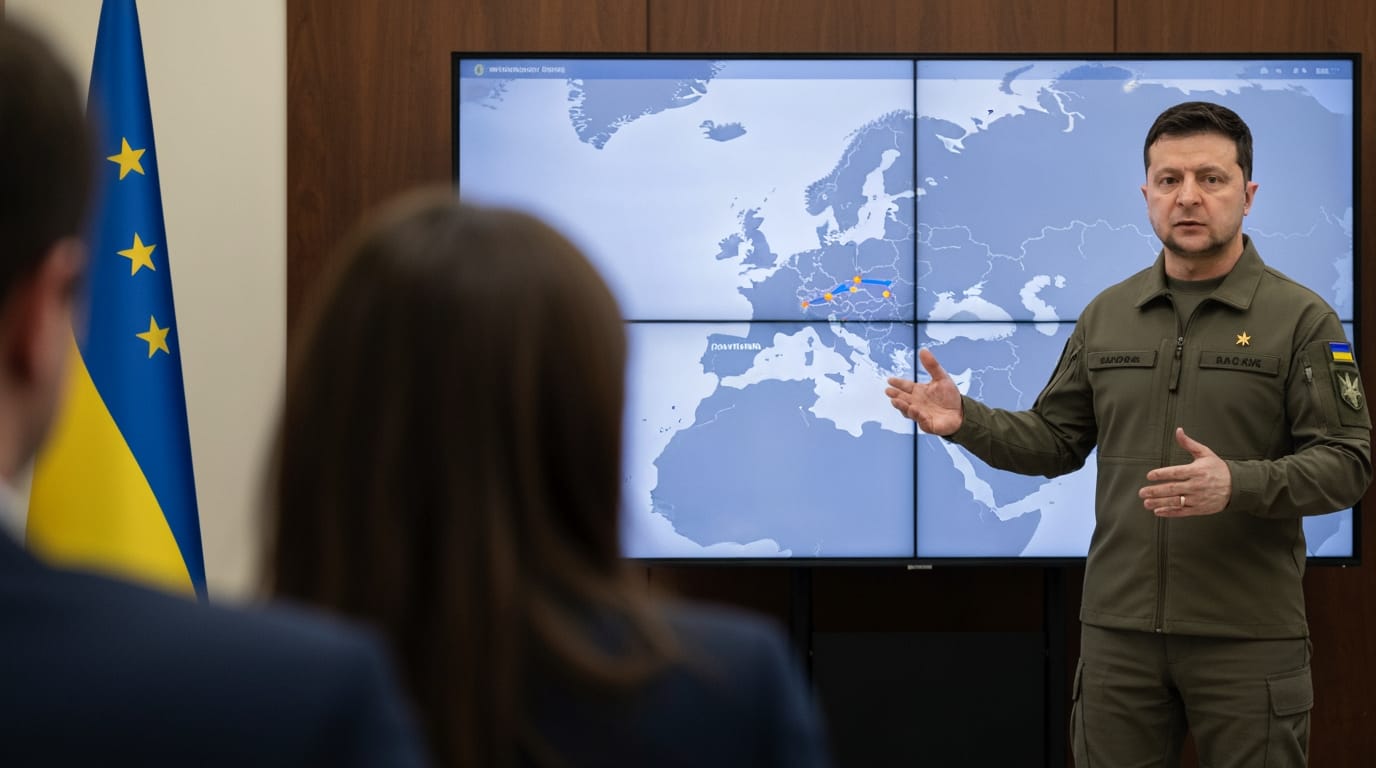
Kyiv, Ukraine – Ukrainian President Volodymyr Zelenskyy announced on Tuesday that repairs to a damaged section of the Druzhba oil pipeline, a vital conduit for Russian oil to parts of Central Europe, have been completed, and the system is now ready to resume operations. This development is expected to alleviate acute energy security concerns for Hungary and Slovakia, which are heavily dependent on the pipeline, and crucially, paves the way for Ukraine to unlock a significant €90 billion (approximately $96 billion) financial support package from the European Union. The announcement marks a critical juncture in a months-long diplomatic standoff, underscored by the ongoing conflict and Europe's complex energy landscape.
Repair Complete, Oil Flows Resume for Critical European Consumers
President Zelenskyy confirmed the successful restoration work on April 21, emphasizing that Ukrainian specialists had reinstated the fundamental conditions required for the pipeline's equipment and system to restart. Following this declaration, Hungary swiftly confirmed the resumption of Russian oil flows via the Druzhba pipeline, ensuring stable supplies to its domestic market and providing immediate relief to a nation particularly reliant on this energy source. The prompt return to operation underscores the urgency felt across the region to normalize oil deliveries after a period of significant disruption.
The pipeline, known as "Druzhba" or "Friendship," a name dating back to its Soviet-era construction in the 1960s, serves as one of the world's longest oil pipelines, transporting crude from Russia and Kazakhstan to several European countries, including Hungary, Slovakia, the Czech Republic, and Germany. Its operational integrity is paramount for the energy stability of these landlocked nations, many of which have historically built their refinery infrastructure around processing specific types of Russian crude oil.
Russian Strike Caused Critical Disruption and Diplomatic Tensions
The necessity for these repairs arose from a Russian strike on January 27, 2026, which severely damaged a section of the pipeline infrastructure running through Ukraine, specifically targeting the Southern Druzhba (Druzhba-2) branch. Ukrainian First Deputy Prime Minister and Minister of Energy Denys Shmyhal detailed that the damage was internal, caused by the combustion of a large volume of oil within the pipeline, which subsequently affected sensors and other critical internal components. This attack led to an immediate halt in oil deliveries to Hungary and Slovakia, sparking alarm in Budapest and Bratislava.
The disruption quickly escalated into a diplomatic imbroglio. Hungary and Slovakia, which are among the few EU members with exemptions allowing them to continue importing Russian crude via the pipeline despite broader EU sanctions, accused Ukraine of deliberately delaying repairs for political leverage. Hungarian Prime Minister Viktor Orbán, in particular, centered parts of his reelection campaign on accusations of Ukrainian "energy blackmail". In a retaliatory measure, both Hungary and Slovakia temporarily halted diesel fuel supplies to Ukraine. Kyiv vehemently denied these claims, attributing the stoppage solely to the damage inflicted by the Russian strike. The European Commission, while acknowledging the situation, maintained that it was not pressuring Ukraine for a specific repair timeline, recognizing the ongoing war context and Ukraine's efforts to maintain critical infrastructure under duress.
Geopolitical Stakes: Unlocking EU Aid and Energy Dependence
Beyond the immediate energy supply, the repair of the Druzhba pipeline carries immense geopolitical weight, directly influencing a crucial €90 billion financial aid package for Ukraine from the European Union. Hungary had explicitly blocked the disbursement of this vital loan, making its release conditional on the restoration of Russian oil transit through the pipeline. This linkage created a direct connection between the operational status of the pipeline and Ukraine's financial stability, particularly as it continues to grapple with the economic repercussions of the full-scale invasion.
Zelenskyy's announcement confirmed that Ukraine has fulfilled its obligations under the initial stages of the program, signaling that Kyiv now expects its European partners to proceed with the next steps of financial support. The EU Enlargement Commissioner Marta Kos had previously indicated that partial operations of the pipeline resuming by the end of April could help unlock the loan package. With the pipeline now deemed fully operational, EU leaders, including Kaja Kallas, the EU's top diplomat, have suggested that a "positive decision" on the loan could be expected imminently.
The broader context highlights Europe's enduring, albeit diminishing, reliance on Russian energy, particularly for countries like Hungary and Slovakia. The Druzhba pipeline, which accounts for roughly 86-92% of Hungary's oil imports and nearly all of Slovakia's supply, exemplifies the deep-rooted energy dependencies that continue to shape geopolitical dynamics within the EU. While the EU has moved to diversify its energy sources and reduce its overall dependence on Russian fossil fuels, the landlocked nature and existing refinery infrastructure of some member states mean the Druzhba pipeline retains a critical role for their energy security.
A Fragile Future for European Energy Security
The successful repair of the Druzhba pipeline brings a temporary reprieve to Europe's energy challenges, particularly for its central and eastern member states. However, Ukrainian President Zelenskyy's statement included a sobering caveat: "no one can guarantee that Russia will not launch further attacks on the infrastructure". This warning underscores the inherent fragility of energy supply chains running through an active war zone and the persistent threat of deliberate targeting.
In light of these ongoing risks, Zelenskyy reiterated the importance of sustained sanctions pressure on Russia and a continued push for Europe to diversify its energy supplies. The long-term objective remains clear: to lessen European dependence on energy sources from actors perceived as hostile or unreliable. While the immediate crisis surrounding the Druzhba pipeline has been averted, the incident serves as a stark reminder of the intricate web of energy, politics, and conflict that continues to define the European continent. The path forward will undoubtedly involve further efforts to bolster energy resilience, explore alternative routes like the Adria pipeline for countries like Hungary, and reduce the leverage that external powers can exert through energy supplies. The repaired Druzhba pipeline, while critical for current needs, remains a symbol of a fragile energy reality.


