Dutch Children's Book Sparks Outrage Over Racial Stereotype
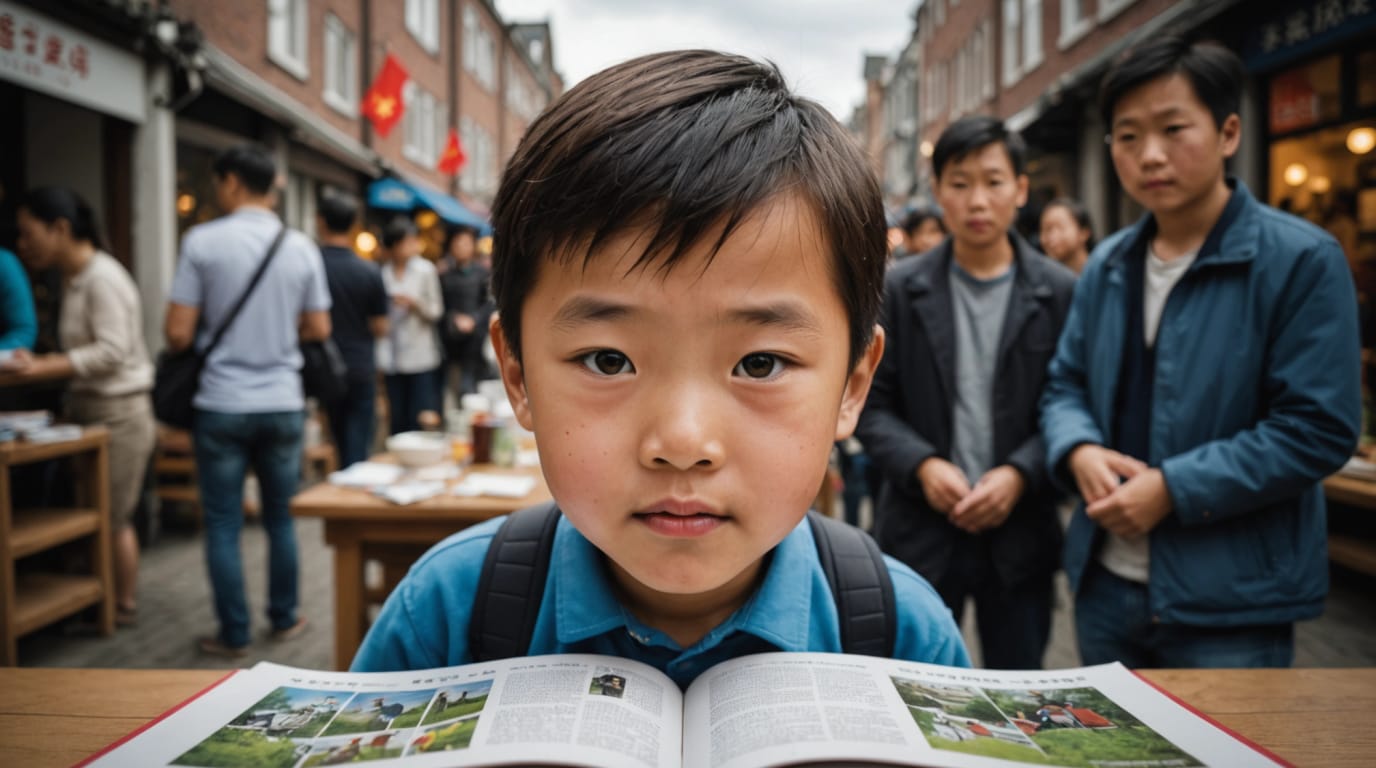
Amsterdam, Netherlands – A seemingly innocent children's book distributed to primary school students in Amsterdam as part of the city's 750th-anniversary celebration has ignited a firestorm of controversy, with members of the Dutch Asian community decrying a board game illustration as a perpetuation of harmful racial stereotypes. The book, titled "My Birthday City," was intended to educate young Amsterdammers about their city's history and diversity, but a single square on a traditional board game within its pages has triggered accusations of racism and insensitivity.
The contentious illustration features a game square with the words "Ni Hao! Chinese tourists are blocking the cycle lane. To get around them, go back to square 39." "Ni Hao" is a common Mandarin greeting. The inclusion of this phrase has been met with strong criticism, particularly from the Pan Asian Collective and other advocates for diversity and inclusion, who argue that it reinforces negative stereotypes about Chinese people and Asians in general.
"Festive Racism" Accusations
Hui-Hui Pan, founder of the Pan Asian Collective, has been a vocal critic of the book, labeling the illustration as "festive racism" in a LinkedIn post. She highlighted the impact on her own children, who, like other primary school students in Amsterdam, received the book. Pan argued that what might seem like a harmless joke to some is, in reality, a painful reminder of the stereotypes and prejudices faced by the Asian community.
"This is not an innocent little sentence," Pan wrote. "This is racism in the language of children, stereotypes packaged up as a game, and given out by the city itself to tens of thousands of children." She expressed concern that such depictions normalize the idea that Asians are a nuisance and reinforce the perception of them as stereotypes rather than individuals.
Pan stated that the publisher informed her that the illustration was not intended to be discriminatory. However, she countered that this is precisely the problem: unintentional racism can still have a damaging impact.
Political Repercussions and Calls for Accountability
The controversy has also drawn the attention of local politicians. Sheher Khan, leader of the Amsterdam Denk party, has submitted formal questions to the city executive, demanding answers about the inclusion of the offensive illustration. Khan argued that the image "confirms and enforces negative stereotypes about people with an Asian origin." He further emphasized the particularly harmful nature of the stereotype, given that it is presented to a new generation of children as part of educational material, thereby normalizing the caricature.
The incident has prompted a broader discussion about representation and inclusivity in Dutch media and education. Critics argue that the lack of East Asian representation in Dutch television and media contributes to the perpetuation of stereotypes and makes it more difficult to address instances of discrimination.
Historical Context of Anti-Asian Sentiment
The backlash against the children's book comes amid growing awareness of anti-Asian sentiment and discrimination in the Netherlands and across Europe. The COVID-19 pandemic saw a surge in reports of verbal harassment and physical attacks against Asians, often fueled by xenophobic rhetoric linking the virus to China.
In one particularly egregious incident in Tilburg, a Chinese-Dutch student was brutally attacked after asking a group to stop singing a racist song with the lyrics "Prevention is better than Chinese." The student suffered a concussion and knife wounds, with the attackers reportedly saying they would "eradicate the coronavirus."
This incident, and others like it, highlight the real-world consequences of normalized stereotyping and the potential for seemingly harmless jokes to contribute to a climate of hostility and violence. A Dutch government study found that half of Dutch people of Chinese background have experienced discrimination.
Defenses and Counterarguments
While the dominant reaction has been critical, some online commenters have dismissed the controversy as an overreaction, arguing that "it's just a joke" or claiming that they, as Chinese individuals, are not offended. This perspective, however, has been challenged by those who argue that it reflects a lack of understanding of the cumulative impact of stereotypes and the diverse experiences within the Asian community.
Psychologists note that such dismissals can be attributed to phenomena like pluralistic ignorance and false consensus bias, where individuals assume that their own views are universally shared and fail to recognize the validity of different perspectives.
Moving Forward: Addressing Systemic Issues
The controversy surrounding "My Birthday City" has served as a catalyst for a broader conversation about the need for greater awareness, sensitivity, and representation in Dutch society. Advocates are calling for increased efforts to combat stereotypes, promote inclusivity, and ensure that the experiences and perspectives of the Asian community are reflected in media, education, and public discourse.
The incident underscores the importance of critically examining seemingly innocuous content for hidden biases and stereotypes. It also highlights the need for ongoing dialogue and education to foster a more inclusive and equitable society where all individuals feel valued and respected. The city of Amsterdam has yet to formally respond to the criticism.


