Earth is Warming, So Why the Frigid Temperatures? Decoding the Climate Paradox

While the global average temperature continues to climb, driven by increasing concentrations of greenhouse gases, many regions are experiencing bouts of extreme cold weather. This seeming contradiction raises a critical question: How can a warming planet also produce periods of intense cold? The answer lies in the complex interplay of climate change, atmospheric dynamics, and shifting weather patterns.
The Polar Vortex Connection
One of the key players in this climate paradox is the polar vortex, a large area of low pressure and cold air surrounding both the Earth's poles. Typically, this vortex is tightly constrained by a strong band of winds, keeping the frigid air locked in the Arctic. However, a growing body of research suggests that climate change is destabilizing the polar vortex, leading to what scientists call "stretching events."
The Arctic is warming at a rate two to four times faster than the rest of the world, a phenomenon known as Arctic amplification. This rapid warming reduces the temperature difference between the Arctic and the mid-latitudes. This shrinking temperature gradient weakens the jet stream, a fast-flowing air current in the atmosphere that helps to keep the polar vortex stable.
When the jet stream weakens, the polar vortex can become distorted and elongated, allowing frigid Arctic air to plunge southward into regions that are not accustomed to such extreme temperatures. This can result in intense cold snaps, blizzards, and other severe winter weather events in North America, Europe, and Asia.
Climate Change and Extreme Weather
The relationship between climate change and extreme weather is not always straightforward. While global warming is expected to lead to an overall decrease in the frequency of cold days, it can also contribute to the intensity of those cold snaps that do occur.
A warmer atmosphere can hold more moisture, leading to heavier snowfall when temperatures are cold enough. This means that even as average winter temperatures rise, some regions may experience more frequent and severe snowstorms.
Furthermore, changes in ocean temperatures and atmospheric circulation patterns can also influence winter weather. For example, some studies have linked warming Arctic waters to cold spells in the United States, with high snowfall near Siberia exacerbating the southward movement of the polar jet stream.
Regional Variations and Long-Term Trends
It's important to note that the impacts of climate change on winter weather vary significantly from region to region. While some areas may experience more intense cold snaps, others may see milder winters with less snow.
In general, cold winter days are warming faster than hot summer days, particularly in temperate regions. This is because the shrinking temperature difference between the Arctic and warmer areas closer to the equator is making cold anomalies less extreme.
However, even as cold days become less frequent, the hottest days are expected to become even more intense, especially during summer. This means that many regions will face a future of both more extreme heat waves and occasional intense cold snaps.
Preparing for a Changing Climate
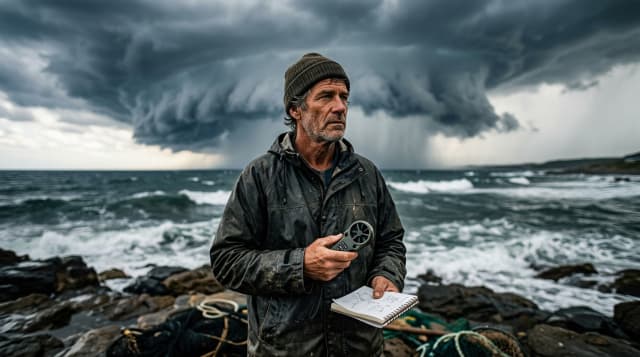
The increasing frequency and intensity of extreme weather events, including both heat waves and cold snaps, pose significant challenges for communities and infrastructure. Existing infrastructure may not be able to withstand extreme weather events that bring heavy rains, floods, wind, snow, or temperature changes.
To mitigate the impacts of these events, it is crucial to invest in climate change mitigation and adaptation strategies. This includes reducing greenhouse gas emissions to slow the pace of global warming, as well as implementing measures to protect communities and infrastructure from the effects of extreme weather.
Some of these measures include:
- Strengthening infrastructure: Upgrading power grids, transportation systems, and other critical infrastructure to withstand extreme weather events.
- Improving emergency preparedness: Developing and implementing emergency response plans to help communities prepare for and respond to extreme weather events.
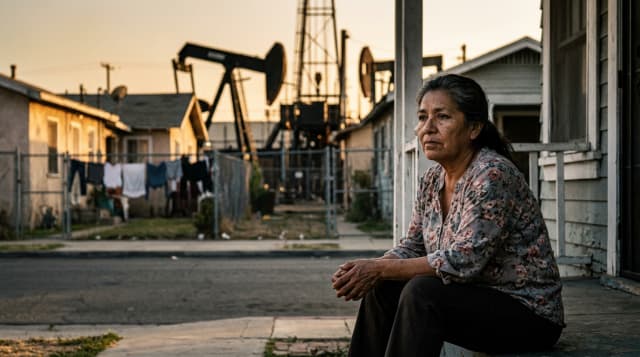
- Providing support for vulnerable populations: Ensuring that vulnerable populations, such as the elderly, low-income families, and people with disabilities, have access to resources and support during extreme weather events.
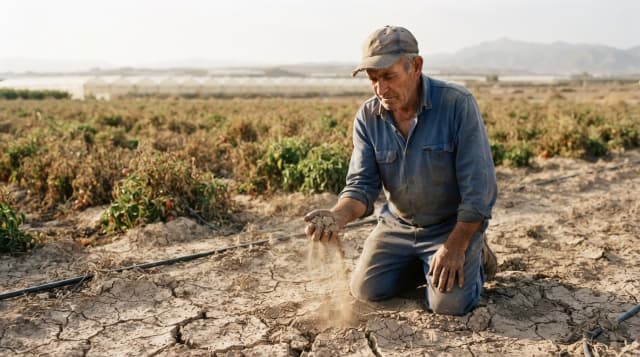
- Promoting climate-resilient agriculture: Developing and promoting agricultural practices that can withstand the impacts of climate change, such as drought-resistant crops and water conservation techniques.
Conclusion
The paradox of a warming planet experiencing extreme cold weather highlights the complex and interconnected nature of the climate system. While global warming is expected to lead to an overall decrease in the frequency of cold days, it can also contribute to the intensity of those cold snaps that do occur.
By understanding the mechanisms that drive these extreme weather events, and by investing in climate change mitigation and adaptation strategies, we can better prepare for the challenges of a changing climate and protect our communities and infrastructure from the impacts of extreme weather.