Economic Crisis Ignites Widespread Protests, Clashes Erupt at Tehran's Grand Bazaar
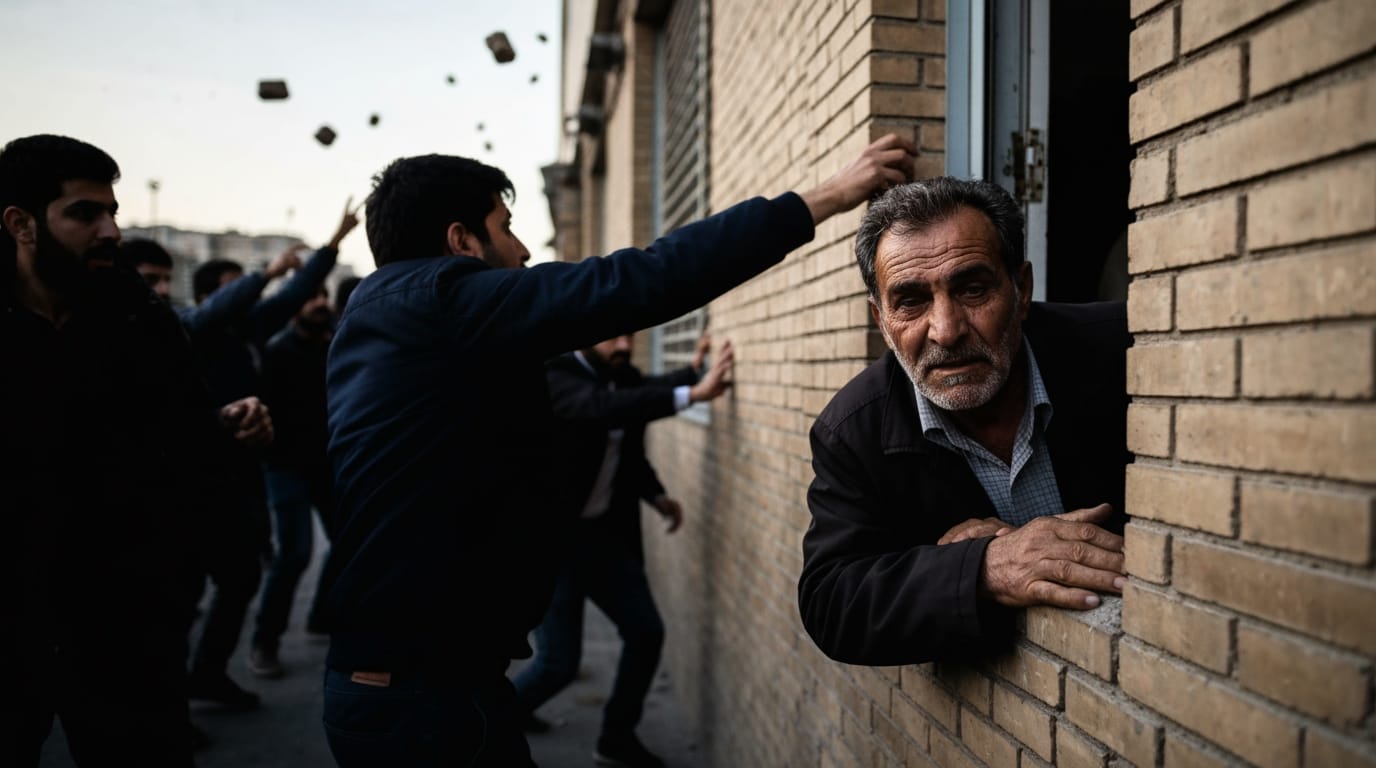
Tehran, Iran – January 6, 2026 – A burgeoning wave of anti-government protests, fueled by a severe economic crisis and the dramatic devaluation of the national currency, has swept across Iran, with reports of significant clashes between demonstrators and security forces at the historic Tehran Grand Bazaar. What began in late December 2025 as localized grievances among merchants struggling with soaring inflation and a collapsing rial has rapidly escalated into a nationwide movement, echoing broader calls for political change and challenging the very foundations of the Islamic Republic. The unrest has seen thousands take to the streets in multiple cities, leading to a heavy security presence, widespread arrests, and a reported death toll that continues to climb.
The Epicenter of Discontent: Tehran's Grand Bazaar
The latest protests found their initial spark in the economic heart of Iran – the bustling Grand Bazaar of Tehran. On December 28, 2025, shopkeepers and merchants in the Bazaar, as well as at commercial centers like the Alaeddin Shopping Centre and Charsou Mall, initiated strikes by closing their businesses. This act of defiance was a direct response to the catastrophic collapse of the Iranian rial, which plummeted to a historic low of approximately 1.42 million to the U.S. dollar on the open market by December 29, representing a more than 56% decrease in value in six months. The rampant depreciation fueled an official inflation rate that reached 42.2% in December, with food prices surging by a staggering 72% annually. Merchants described their closures as "forced bankruptcy," arguing that volatile exchange rates made it impossible to set prices or restock inventory without incurring significant losses.
The economic despair quickly translated into street protests. Videos and eyewitness accounts from the Bazaar and surrounding commercial districts, including Jomhuri Street and Amin Hozour intersection, depicted groups of merchants chanting slogans against economic mismanagement. These initial demonstrations, rooted in acute financial hardship, rapidly broadened in scope, attracting ordinary citizens whose life savings had dwindled due to sanctions and years of economic pressures. The decision by the Central Bank to drastically reduce subsidized dollar exchange rates for importers and producers further exacerbated fears of impending price hikes for consumers, adding another layer of urgency to the protests.
From Economic Grievance to Calls for Systemic Change
While the initial impetus for the unrest was economic, the protests at the Grand Bazaar and elsewhere swiftly evolved into a more profound challenge to the government. The rhetoric on the streets shifted almost instantly from purely economic demands to outright calls for regime change. Demonstrators were heard chanting "Death to the Dictator," targeting Supreme Leader Ali Khamenei, and "Seyyed Ali will be toppled this year" in various cities. Slogans like "Woman, Life, Freedom," previously central to the 2022 Mahsa Amini protests, also resurfaced, indicating a continuity of grievances that extend beyond financial woes to encompass human rights, authoritarianism, and broader political discontent.
The involvement of the Grand Bazaar merchants, historically a conservative and influential segment of Iranian society often seen as supportive of the ruling establishment, signaled a critical development. Their open defiance created space for other segments of society, including university students, truck drivers, and public sector workers, to join the demonstrations across multiple cities. This diverse participation underscored the deep-seated and widespread dissatisfaction with the Islamic government, cutting across traditional class and ethnic divisions, with protests reported in regions with significant ethnic minority populations like Kurdistan. Pro-monarchy slogans, including "Long live the Shah," also emerged in some protests for the first time in over five decades, highlighting the breadth of political dissent.
State Response and Escalation of Confrontation
The Iranian authorities responded to the escalating protests with a familiar mix of force and attempts at containment. Security forces were heavily deployed in central Tehran and other protest hotspots. On January 6, 2026, reports indicated that security forces clashed with protesters at the Tehran Grand Bazaar, firing tear gas to disperse demonstrators who had engaged in sit-ins, leading to the closure of other shops in the vicinity. Videos received by Iran International showed security forces moving against protesters around the Tehran market area, with some reports even mentioning gunfire during clashes.
The Islamic Revolutionary Guard Corps (IRGC) reportedly declared a "100% state of alert" for its "Sarallah" Headquarters, responsible for the security of the capital, and placed units in neighboring provinces on standby for reinforcements. Official figures on arrests were not immediately released, but rights groups abroad reported more than 1,200 detentions. Tragically, the confrontations have also led to fatalities. Rights groups, including Hengaw and HRANA, reported a death toll ranging from at least 25 to 35 people within the first nine days of the protests, including four individuals under 18 and some security forces personnel. Incidents such as security forces allegedly attacking a hospital in Ilam where injured protesters sought treatment were condemned by organizations like Amnesty International.
Iranian President Masoud Pezeshkian acknowledged the severity of the crisis, stating that the government "cannot handle this alone" and that it lacked the capacity to address all issues. His administration also accepted the resignation of the Central Bank Governor amidst the turmoil, replacing him with a former head, a move viewed by some protesters as a sign of the regime running out of fresh ideas. Judiciary chief Gholamhossein Mohseni Ejei, however, issued stern warnings of "harsh punishments" for those involved in "hoarding foreign currency" and vowed no leniency for "rioters," indicating a continued hardline stance against dissent.
A Nation Gripped by Crisis
The current wave of protests, the largest since the 2022 Mahsa Amini demonstrations, has spread significantly, affecting at least 27 of Iran's 31 provinces and impacting over 30 cities. The economic factors driving the unrest are profound. Beyond currency collapse and inflation, analysts point to the impact of international sanctions, rising petrol prices, and widespread corruption as key contributors to the economic hardship. Monthly wages now average barely $100, far below the $450 poverty line for a household of three, leaving millions struggling with absolute or relative poverty. The central bank's actions, such as reducing subsidized exchange rates, are anticipated to further worsen conditions by passing on increased costs directly to consumers, whose purchasing power is already severely eroded.
The scale and intensity of these demonstrations underscore a deeply troubled nation, where long-standing economic grievances and calls for greater freedoms converge. The repeated cycles of protests, from those in 2022 sparked by the death of Mahsa Amini to the current economic unrest, highlight persistent challenges to the government's legitimacy and control. Despite efforts by state media to attribute the unrest to "agitators" or foreign influence, the widespread participation of diverse segments of Iranian society suggests a pervasive national dissatisfaction that continues to seek expression through public dissent.
Conclusion
The clashes at Tehran's Grand Bazaar serve as a potent symbol of Iran's deepening crisis, where economic despair has once again ignited a broader movement for political change. The resilience of the protesters, confronting security forces amid a collapsing currency and soaring living costs, signifies a profound and widespread rejection of the status quo. As the government grapples with its most significant internal challenge in years, the future remains uncertain. The continued unrest, fueled by both immediate economic hardship and enduring calls for fundamental reform, poses a formidable long-term challenge for the Islamic Republic, with implications that extend far beyond the immediate confines of the historic marketplace.


