Ecuador Seeks International Military Aid to Combat Escalating Drug Cartel Violence
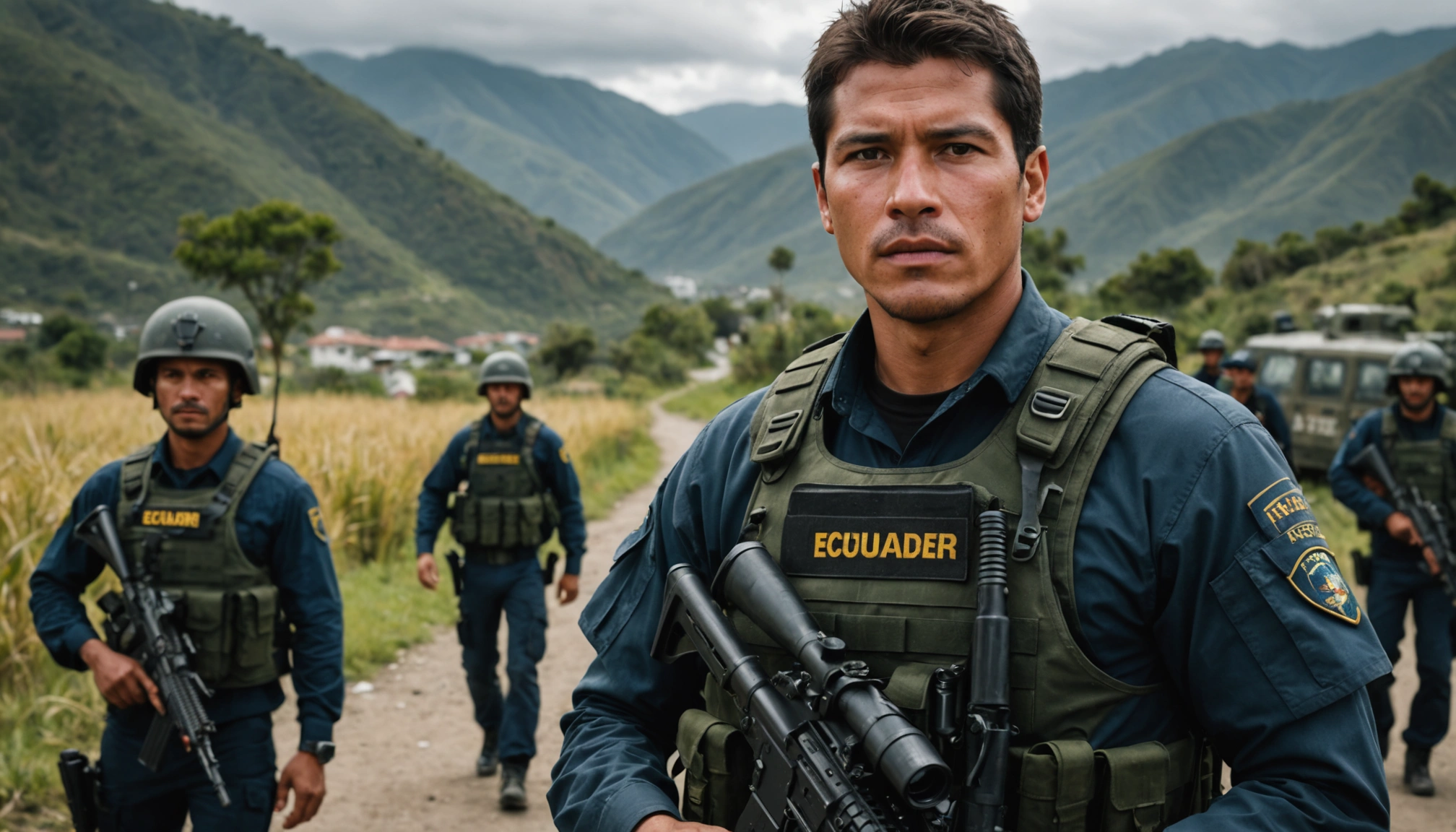
Ecuador is grappling with a surge in violent crime linked to drug trafficking, prompting President Daniel Noboa to request military assistance from allied nations. The move comes as the South American country struggles to contain the growing influence of Mexican, Colombian, and Balkan cartels that have established a foothold, exploiting Ecuador's location between major cocaine producers Colombia and Peru.
A Nation Under Siege
Once considered one of the safest countries in Latin America, Ecuador has become a key transit point for cocaine destined for the United States and Europe. This surge in drug trafficking has attracted numerous foreign and local cartels and gangs, leading to a spike in violence, including kidnappings, extortion, and illegal mining operations. The situation has deteriorated to the point where dismembered bodies have been found in the streets, car bombs detonated, and mass shootings have become increasingly common.
President Noboa, who is campaigning for reelection on a platform of zero tolerance toward illegal groups, has described the conflict as an "unconventional, urban guerrilla war," emphasizing the need for more soldiers to combat the escalating threat.
Calls for International Support
In response to the crisis, President Noboa has made a direct appeal for international military support. He specifically mentioned the United States, Brazil, and European nations as potential partners, requesting the deployment of troops, including special forces, to aid Ecuador's security forces.
"We need the help of international forces," Noboa said in a recent interview. "We are talking about armies. US, European, Brazilian special forces. This could be a great help for us."
The Ecuadorian government has already begun taking steps to formalize these requests. The foreign ministry has been instructed to create cooperation agreements with allied nations, paving the way for the incorporation of foreign special forces into the country's security operations on a temporary basis.
Hurdles and Historical Context
Ecuador's plea for international military assistance faces several political, financial, and legal hurdles. One significant obstacle is the existing ban on foreign military bases within the country. While Ecuador's Constitutional Court recently ruled in favor of an amendment that would allow foreign military bases, the decision still requires approval from the National Assembly and ratification through a referendum.
Historically, the United States military operated a base in Ecuador primarily dedicated to anti-narcotic operations for a decade. However, this agreement was terminated in 2009 by then-President Rafael Correa, citing concerns over sovereignty.
Potential Allies and Opposition
While the specific countries that will provide military assistance remain unconfirmed, the United States, Brazil, and various European nations have been identified as potential partners. However, the initiative faces opposition from some political factions within Ecuador. Luisa Gonzalez, Noboa's leftist rival in the upcoming April election, is unlikely to support the move. Gonzalez is a political protégé of former President Rafael Correa, who expelled U.S. troops from a military base in Manta in 2009.
Controversial Alliances
Adding another layer of complexity, Noboa has announced an alliance with Erik Prince, the founder of the controversial military contractor Blackwater. While Noboa has stated that Prince is merely "advising" him, the association has raised concerns given Blackwater's history, including the killing and injuring of civilians in Iraq.
A Temporary Measure?
Security analysts suggest that the request for foreign military aid is intended as a temporary measure. The primary goal would be to leverage foreign troops for intelligence gathering and to assist local security officials in curbing drug trafficking through Ecuador's ports.
The Road Ahead
Ecuador's call for international military support underscores the severity of the security crisis gripping the nation. Whether the initiative succeeds will depend on navigating political obstacles, securing agreements with allied nations, and addressing concerns about sovereignty and the involvement of controversial figures. The upcoming elections in April will likely play a crucial role in determining the future direction of Ecuador's fight against drug cartels and organized crime.
Related Articles


Mounting Frustration Grips Russia as Economic Hardship and War's Toll Deepen
Moscow, Russia – A palpable shift in public sentiment is emerging across Russia, with growing frustration among citizens fueled by a confluence of economic pressures, increasing internet restrictions, and the undeniable...

Germany's Strategic Calculus: Ukraine Aid is an Investment in European Security, Not Charity
Berlin – The ongoing provision of substantial aid to Ukraine by Germany and its allies is increasingly being framed not as an act of altruism, but as a crucial investment in European security and stability. This...