Elderly South Korean Woman Jailed for Money Laundering in Case Highlighting Broader Societal Challenges
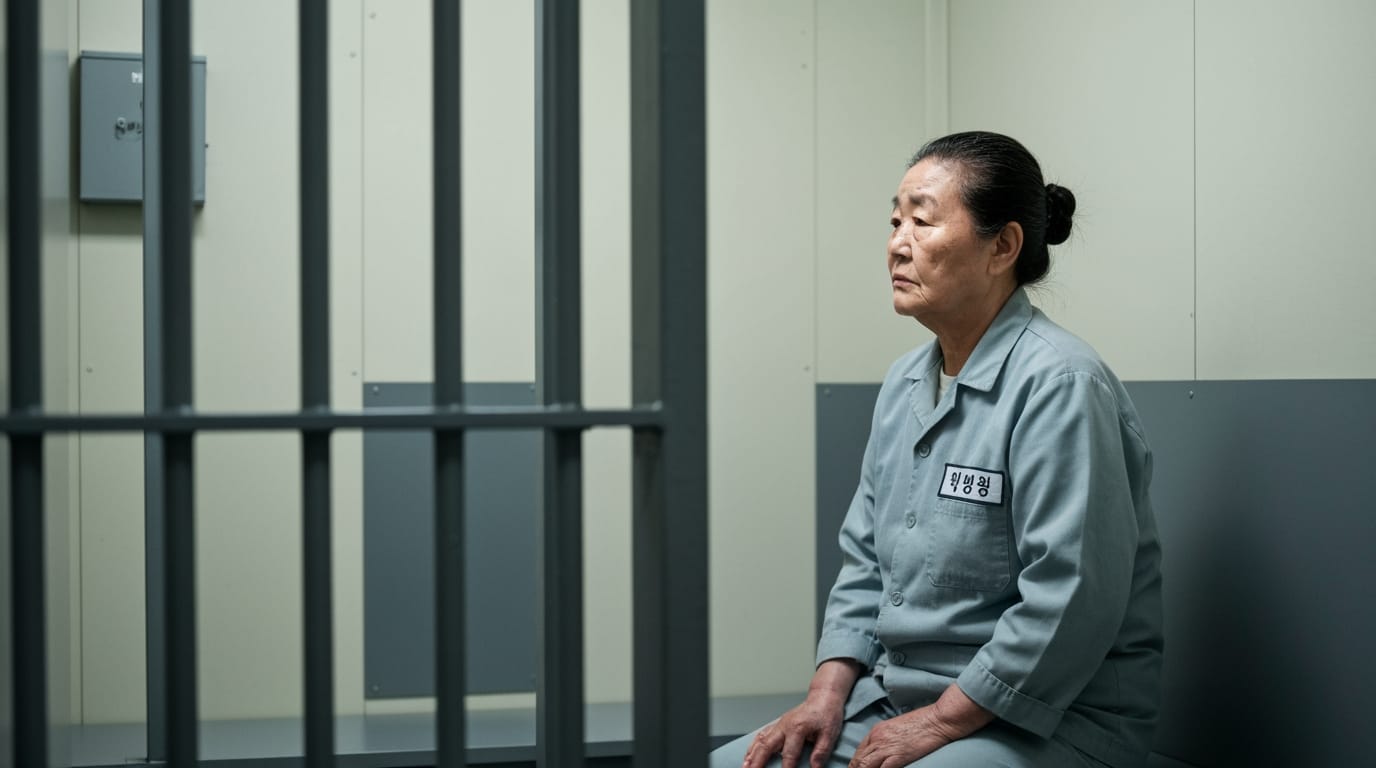
Seoul, South Korea – In a case that casts a stark light on both the individual tragedies and broader societal shifts within South Korea, a 90-year-old woman has been sentenced to one year in prison for her role in laundering illicit funds tied to her son's international narcotics trafficking operation. The conviction, handed down on April 13, 2026, by Judge Wi Eun-suk of the Incheon District Court, underscores the unwavering commitment of South Korean authorities to combat financial crime, even as it brings into focus the complex issues surrounding an aging population and rising elderly involvement in criminal activities.
The court found the woman, identified only as "A," guilty of violating the Act on Special Cases Concerning the Prevention of Illegal Trafficking in Narcotics. She was also ordered to forfeit approximately 386.42 million won, equivalent to about $280,000 USD. This sentencing occurs against a backdrop of increasing criminal activity among older adults in South Korea, a trend attributed to factors ranging from economic hardship to social isolation in a rapidly aging society.
The Illicit Network and the Mother's Role
Court proceedings revealed that "A" was instrumental in a money laundering scheme orchestrated by her son, "B," who is currently incarcerated in Cambodia for narcotics offenses. From April 2020 to February 2022, "A" received substantial cash sums in South Korea from unidentified individuals, subsequently remitting approximately 350.22 million won to accounts designated by her son. These funds were directly linked to his drug-related crimes.
Despite her defense that she was unaware of the illicit origins of the money, the court rejected her claim. Judge Wi Eun-suk stated that "considering B's prior narcotics offenses and overseas stay, among other factors, it is judged A was aware of this," highlighting that the large sums involved and her active participation meant her role was not minor. The son, "B," was found to have been distributing narcotics into South Korea with accomplices, further emphasizing the severity of the underlying criminal enterprise. While the mother received a prison sentence, her daughter, "C," who faced similar charges, was acquitted due to insufficient evidence of her involvement.
South Korea's Graying Crime Wave
This case emerges amid growing concerns over an undeniable surge in crime committed by elderly individuals in South Korea. The nation officially entered "super-aged" status in 2024, meaning over 20% of its citizens are now aged 65 or older. This demographic shift is mirrored in crime statistics, which show a concerning rise in the proportion of older adults involved in criminal activities. In 2024, individuals aged 60 and older constituted 18.8% of all criminal suspects, surpassing those in their 20s, a significant increase from just 8.8% a decade earlier.
Experts point to a confluence of socio-economic factors driving this trend. Poverty is a pervasive issue among the elderly, with nearly half (48.6%) of Koreans aged 65 or over living in relative poverty, the highest rate among OECD countries. Many older offenders, particularly in theft cases, are unemployed and lack prior criminal records, suggesting that economic distress often underpins their actions. Beyond financial hardship, social isolation and mental health challenges, including high rates of depression among seniors, are also cited as significant contributors to the increase in elderly crime.
Vulnerability and Exploitation in Financial Scams
The case also touches upon the vulnerability of elderly individuals, both as potential victims and, in some instances, as unwitting or coerced participants in sophisticated financial scams. While "A" was convicted of knowing participation, criminal organizations frequently exploit low-income seniors. Such groups have been known to recruit elderly individuals by promising monthly payments and bonuses if they help establish shell companies and dummy accounts for money laundering. This practice highlights how organized crime preys on economic desperation within the elderly population.
Furthermore, financial scams like "voice phishing" continue to plague South Korea, with the elderly increasingly becoming prime targets. Despite a decrease in the overall number of voice phishing cases between 2018 and 2020, the total financial damage escalated dramatically during that period. Recent data from 2026 indicates that individuals aged 60 and older now account for 30% of voice phishing victims, often targeted due to their trust in authority figures and potential unfamiliarity with digital safeguards. South Korean authorities have intensified their efforts to combat these crimes, even expanding the Voice Phishing Integrated Reporting and Response Center to 24/7 operations due to a surge in daily reports, handling an average of 1,755 cases per day in 2024.
Balancing Justice with Societal Realities
The jailing of a 90-year-old woman for money laundering presents a challenging dilemma for the South Korean justice system and society at large. While the court acknowledged her advanced age and the influence of her son in its sentencing considerations, it ultimately emphasized the substantial amount of money involved and the non-minor nature of her participation. This reflects the legal principle that age, while a mitigating factor, does not automatically absolve an individual of serious criminal responsibility.
The case serves as a poignant reminder of the multifaceted challenges facing South Korea. It underscores the ongoing battle against sophisticated financial crimes, particularly those linked to drug trafficking, and the critical need to safeguard the integrity of the financial system. Simultaneously, it compels a deeper examination of the social safety nets and support systems available to the nation's rapidly growing elderly population, many of whom face significant economic and social vulnerabilities. The verdict, therefore, is not merely the conclusion of a single legal proceeding but a reflection of broader societal tensions that demand continued attention and policy development.