Epic Showdown for Warner Bros. Discovery: Netflix vs. Paramount in High-Stakes Acquisition Battle
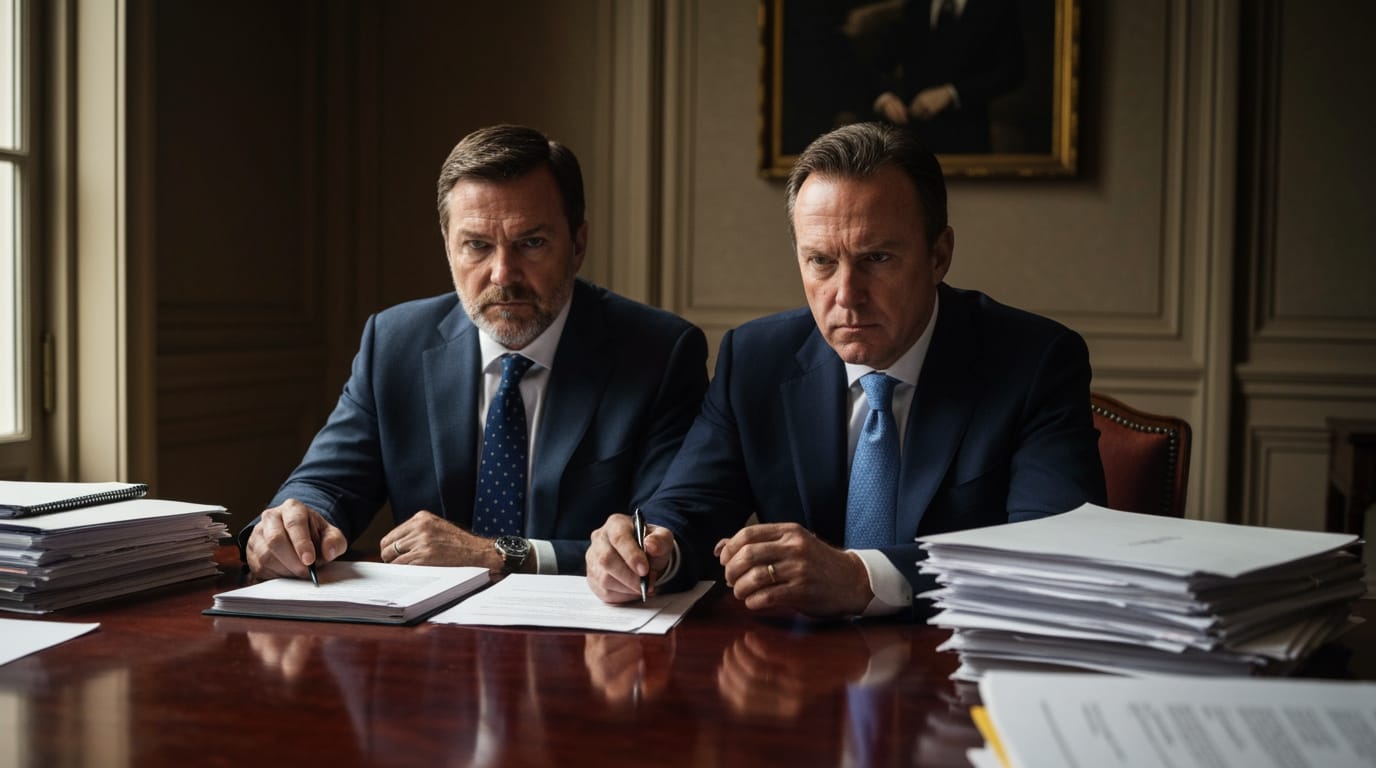
New York, NY – The entertainment industry is gripped by an intense corporate drama as Warner Bros. Discovery (WBD) finds itself at the center of a high-stakes bidding war between streaming giant Netflix and the ambitious Paramount Skydance. What began as a strategic alliance with Netflix has escalated into a full-blown hostile takeover attempt by Paramount, underscoring the relentless drive for scale and content supremacy in the evolving media landscape. As the clock ticks, the outcome of this battle could fundamentally reshape Hollywood's future, impacting everything from content production to consumer choice.
The Bidding Frenzy for Warner Bros. Discovery
The acquisition saga officially intensified on December 5, 2025, when Netflix and Warner Bros. Discovery announced a definitive agreement. Under the terms, Netflix would acquire WBD's storied "Warner Bros." segment, which includes its esteemed film and television studios, along with its powerful streaming services HBO and HBO Max. This landmark deal was valued at an enterprise value of approximately $82.7 billion, with an equity value of $72.0 billion, translating to $27.75 per WBD share in a mixed cash and stock offering. A key component of this agreement stipulated that WBD's Global Linear Networks division, encompassing channels like CNN, TBS, and TNT, would be spun off into a new publicly traded entity named Discovery Global, projected for Q3 2026. This move by Netflix signaled a significant strategic shift, departing from its long-standing "builders, not buyers" philosophy to pursue acquisition-led expansion.
However, the ink was barely dry when, just three days later on December 8, Paramount Skydance launched an audacious and unsolicited all-cash hostile takeover bid for the entirety of Warner Bros. Discovery. Paramount's offer dwarfed Netflix's in overall valuation, proposing $108.4 billion, or $30 per share, for the whole company, including the linear networks. This aggressive counter-offer ignited a fierce competition, aiming to bypass WBD's board and appeal directly to shareholders. Paramount asserted its bid offered superior value and certainty, highlighting its all-cash nature and comprehensive scope. The dramatic turn thrust WBD into the crosshairs of two media titans, forcing its board to re-evaluate the optimal path forward amidst escalating pressure.
Clash of Strategies and Valuations
The divergent approaches of Netflix and Paramount Skydance reveal differing strategic visions for WBD's future. Netflix's bid focuses on integrating Warner Bros.' vast content library, production capabilities, and premium streaming assets (HBO, HBO Max) into its global ecosystem. This acquisition would bolster Netflix's original content pipeline, reduce its reliance on third-party licensing, and potentially enhance its pricing power, positioning it to compete more effectively with rivals like Disney and Amazon. The deal aligns with Netflix's ambition to become a "non-discretionary utility-like offering," a default entertainment platform due to its sheer breadth of content.
Conversely, Paramount Skydance's hostile bid targets the entire Warner Bros. Discovery enterprise, including the linear television networks. Paramount's CEO David Ellison argues that a combined entity would create a "super-major" capable of challenging the dominance of Netflix and Disney, generating significant cost synergies, strengthening bargaining power with advertisers, and creating a formidable content powerhouse. Paramount's all-cash offer of $30 per share is positioned as a superior, more certain option compared to Netflix's mixed cash-and-stock deal, which Paramount claims leaves WBD shareholders with a "heavily indebted sub-scale linear business" in Discovery Global.
On December 17, 2025, the Warner Bros. Discovery Board of Directors unanimously rejected Paramount Skydance's hostile bid, recommending shareholders approve the Netflix agreement. The board cited concerns regarding Paramount's financing certainty, execution risks, and long-term shareholder value, stating that Netflix's offer presented a "more certain and superior alternative." Despite this rejection, Paramount affirmed its commitment, urging WBD shareholders to directly tender their shares, emphasizing the perceived superiority of its all-cash offer and the higher per-share value.
Regulatory Hurdles and Political Undercurrents
Both acquisition proposals face significant scrutiny from U.S. antitrust regulators, including the Department of Justice (DOJ) and the Federal Trade Commission (FTC). Media mergers traditionally encounter high regulatory hurdles, and this case is no exception, especially given the intensifying "streaming wars" and concerns about market concentration.
Netflix's acquisition of Warner Bros. (including HBO Max) has raised concerns about potential market dominance in North American streaming, with some arguing it could create a "dominant streaming monopoly." Regulators will likely assess how the combined entity might impact competition for consumers, advertisers, and content creators. Questions arise about whether Netflix could privilege its own titles, foreclose rival streaming services from licensing opportunities, or affect content diversity.
Paramount, in turn, argues that its full acquisition of WBD would enhance competition in the creative industries by creating a stronger rival to Netflix and Disney, rather than entrenching an existing dominant player. However, a merger of two legacy studios like Paramount and Warner Bros. also carries its own set of antitrust considerations, particularly concerning their combined film and television production capabilities.
Adding a unique political dimension to the battle, former President Donald Trump has reportedly weighed in on the potential mergers, particularly concerning the future of CNN, a Warner Bros. Discovery asset. Reports indicate that Trump has expressed a desire for CNN to be sold and has discussed potential programming changes at the network with Larry Ellison, Paramount Skydance's backer. This political interest underscores the broader societal and informational implications that media consolidation can have, extending beyond mere economic concerns.
The Future of Media: A Consolidating Landscape
The bidding war for Warner Bros. Discovery is a microcosm of the larger trends defining the modern media and entertainment industry. The "streaming wars," characterized by intense competition for subscribers, escalating content costs, and persistent subscriber churn, are pushing companies towards consolidation. Many streaming platforms are seeking greater scale and diverse content libraries to attract and retain audiences in an increasingly fragmented market. The shift towards ad-supported tiers and bundled offerings further complicates the landscape, as companies seek sustainable revenue models.
The drive for content ownership is paramount. For Netflix, acquiring Warner Bros.' vast trove of iconic franchises like Harry Potter, DC Comics, and HBO's prestige dramas ("Game of Thrones," "The White Lotus") represents an unparalleled opportunity to deepen its catalog and intellectual property, strengthening its position in a content-hungry world. For Paramount Skydance, acquiring the entirety of WBD would bring together a diverse portfolio of film studios, television networks, and streaming services, aiming to create a comprehensive entertainment entity capable of commanding significant market share.
This battle also highlights the financial pressures facing traditional media conglomerates. Warner Bros. Discovery, since its formation, has grappled with a substantial debt load and pressure to unlock value from its extensive assets. The desire to shed debt and streamline operations often fuels such acquisition discussions, even as the potential impact on jobs, creators, and the broader creative ecosystem remains a significant consideration for industry observers.
Conclusion
The battle for Warner Bros. Discovery represents a pivotal moment in the ongoing transformation of the global entertainment industry. While WBD's board has recommended Netflix's offer, Paramount Skydance's aggressive, all-cash bid and direct appeal to shareholders ensure that the saga is far from over. The coming weeks and months will determine not only WBD's immediate future but also set precedents for future media mergers. The outcome, contingent on shareholder decisions and rigorous regulatory review, will reveal how market forces, strategic ambitions, and antitrust considerations converge to shape the landscape of content creation and consumption in an era defined by ever-intensifying streaming competition. The implications for consumers, creators, and the industry at large will undoubtedly resonate for years to come.