Georgian Creatives Stand Firm Against Rising Repression, Championing Freedom Through Art
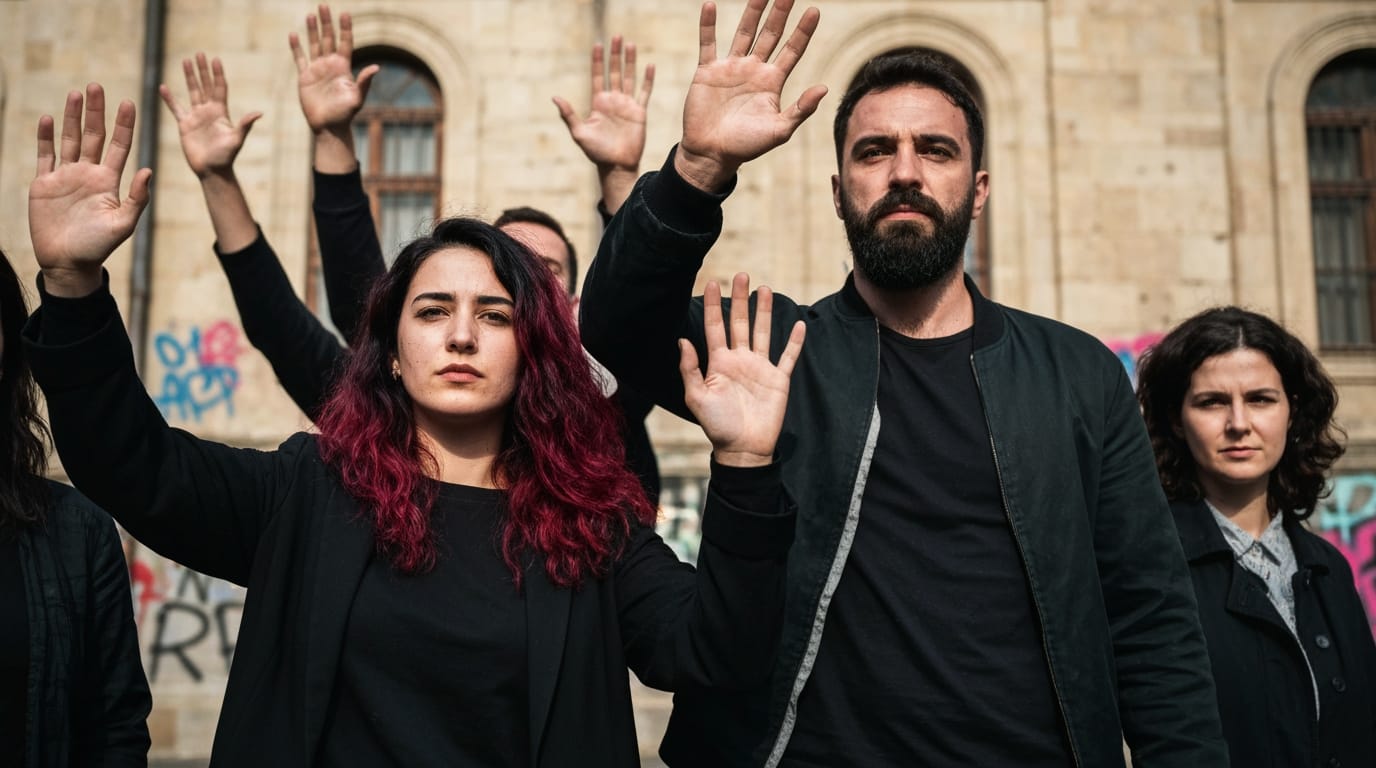
Tbilisi, Georgia – In the vibrant cultural landscape of Georgia, artists, writers, and performers are increasingly finding themselves on the front lines of a profound struggle for their nation's democratic future. As the government, led by the "Georgian Dream" party, enacts legislation critics decry as authoritarian and shifts policy towards perceived Russian influence, the creative community has emerged as a vocal and resilient force, using their diverse talents to advocate for freedom of expression, European integration, and the preservation of Georgian identity. This surge of artistic activism, however, comes at a growing cost, as creatives face escalating state repression, including arrests, physical violence, and politically motivated charges.
The Gathering Storm: Laws and Political Shifts Threaten Civil Society
The recent impetus for widespread protests and artistic defiance in Georgia stems largely from the government's reintroduction and subsequent adoption of a controversial "foreign agent law" in May 2024. This legislation, officially termed "On Transparency of Foreign Influence," mandates that non-governmental organizations and media outlets receiving more than 20% of their funding from abroad must register as "organizations pursuing the interests of a foreign power." Critics across civil society, both domestically and internationally, have swiftly condemned the law, drawing stark parallels to a similar measure implemented in Russia in 2012, which has been used to stifle dissent and persecute independent voices.
The ruling Georgian Dream party's move is widely interpreted as part of a broader authoritarian shift, curtailing civil liberties, independent media, and the work of NGOs. This policy direction is perceived by many Georgians as a pivot away from the country's long-stated aspiration for European Union integration and towards the sphere of Russian influence. The legislation was initially withdrawn in March 2023 following mass public protests, only to be reintroduced and passed in April and May 2024, despite fierce opposition from within Georgia and from Western allies. President Salome Zourabichvili has vowed to veto the bill, though the ruling party possesses the parliamentary majority to override such a veto. Further fueling public outrage, the government's decision in late 2024 to suspend EU accession talks until 2028 ignited a new wave of protests, reinforcing fears that Georgia's European future is being deliberately undermined.
The Canvas of Resistance: Diverse Artistic Expression as a Shield
In response to these escalating political pressures, Georgian creatives have mobilized, transforming stages, streets, and screens into platforms for protest and advocacy. Their methods are as varied as their disciplines, collectively shaping Georgia's cultural landscape and demonstrating art's powerful role in the pursuit of a democratic and inclusive society.
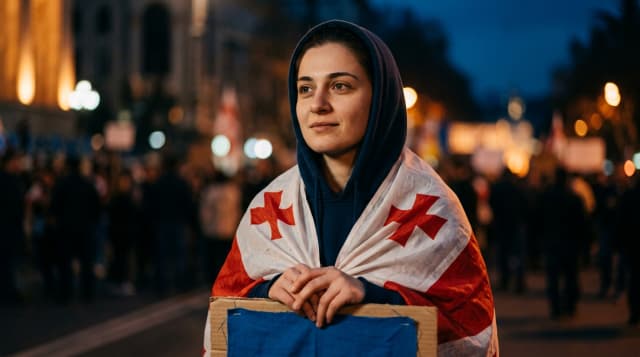
Street art, photography, and music have become prevalent mediums for expressing democratic values and driving social change. Young artists are utilizing diverse forms of expression to critique societal issues, foster dialogue, and actively engage in activism. Performance art has also taken center stage in the resistance. The Bouillon Group, an artist collective based in Tbilisi, staged a performance titled "Weightlifting Strategies" in front of the Georgian parliament, and its members have been consistent participants in anti-foreign agent law rallies. Powerful images from protests, such as a woman draped in an EU flag confronting water cannons or a young girl dancing on a water cannon, have been captured by independent media and rapidly become potent symbols of the Georgian people's unwavering fight for their EU future.
The theatrical community, a historical bastion of dissent in Georgia, faces particular challenges. Proposed amendments to the Law on Professional Theaters aim to eliminate the role of the artistic director, centralizing power under an administrative director. Critics view this as an attempt to bureaucratize, depoliticize, and ultimately control the creative process, echoing Soviet-era censorship tactics. Despite this, theater remains a crucial public forum where politically and socially charged conversations can unfold outside direct government control. Similarly, filmmakers have voiced strong concerns and protested a "reorganization" of the National Film Centre by the Ministry of Culture, fearing it represents a move towards censorship and full governmental oversight of the country's cinematic output. Literature, too, continues its long tradition of serving as a vital space for dissent and the preservation of Georgian identity, a role it historically played during periods of Russian imperial and Soviet rule.
Costs of Creativity: Repression and Persecution Mount
The government's crackdown on dissent has extended directly to the creative community, with numerous artists, actors, poets, writers, and cultural figures becoming targets of state repression. Reports by international human rights and cultural organizations indicate escalating persecution for their involvement in pro-democracy protests and advocacy for European integration.
Tactics employed by the authorities include arbitrary arrests, detentions, physical violence, and fabricated charges. More than 400 individuals have been detained, with many subjected to physical violence, humiliation, and torture at the hands of law enforcement. Among the documented victims are celebrated actor Andro Chichinadze and comedian Onise Tskhadadze, who were arrested and face charges such as "organization, management, or participation in group violence" and "hooliganism," carrying potential prison sentences of up to nine years. Actor Giorgi Nakashidze was reportedly detained during a protest and severely beaten by special forces. Other prominent figures, including actors Irakli Sirbilashvili, Avtandil Diasamidze, and Giorgi Bakhutashvili, have been arrested and physically assaulted during peaceful demonstrations, with video evidence reportedly showing officers dragging them into unmarked vans. Poet Zviad Ratiani suffered broken bones and internal injuries after being tortured in police custody, a case that has become a rallying cry for Georgia's artistic community. Dancer Natia Bunturi and director/dancer Tata Tavdishvili have also reportedly endured beatings and injuries during protests. The targeting of artists, in the words of one human rights organization, is an attempt to "erase cultural and intellectual opposition."
A Legacy of Defiance: Historical Roots and Future Hopes
The current wave of artistic resistance in Georgia is not an isolated phenomenon but rather the latest chapter in a long and storied history of cultural defiance. From the 19th-century Romantic movement, where writers channeled nationalist sentiment against Russian imperial rule, to the subtle yet powerful resistance of artists under Soviet-imposed censorship, Georgian creatives have consistently used their work to preserve national identity and advocate for freedom. This enduring pursuit of democracy and freedom of expression is woven into the very fabric of Georgian identity, influencing the nation's resilience and inspiring generations.
International organizations, including PEN International, Freemuse, and the Artists at Risk Connection (ARC), have issued strong condemnations of the Georgian government's actions, emphasizing the universal right to freedom of expression and calling for the protection of artists. UK-based Georgian actors are also campaigning for their imprisoned colleagues, raising awareness and solidarity.
Conclusion: Art as the Unyielding Spirit of a Nation
As Georgia navigates a critical juncture in its post-Soviet history, the nation's creatives stand as a testament to the unyielding power of art in the face of repression. Their struggle is multifaceted: a defense of artistic freedom, a rejection of perceived Russian encroachment, and a fervent affirmation of Georgia's European aspirations. Despite the personal risks and the escalating crackdowns by authorities, Georgian artists continue to paint, sing, perform, and write, weaving narratives of resistance and hope. Their actions serve not only as a crucial check on governmental overreach but also as a vibrant declaration that the spirit of freedom, deeply embedded in Georgia's cultural heritage, cannot be silenced. In their continued defiance, Georgian creatives offer a powerful reminder that the fight for a democratic future often finds its most compelling expression in the courageous voices of those who create.