Escalating Conflict Targets Iran's Pharmaceutical Infrastructure, Threatening Millions
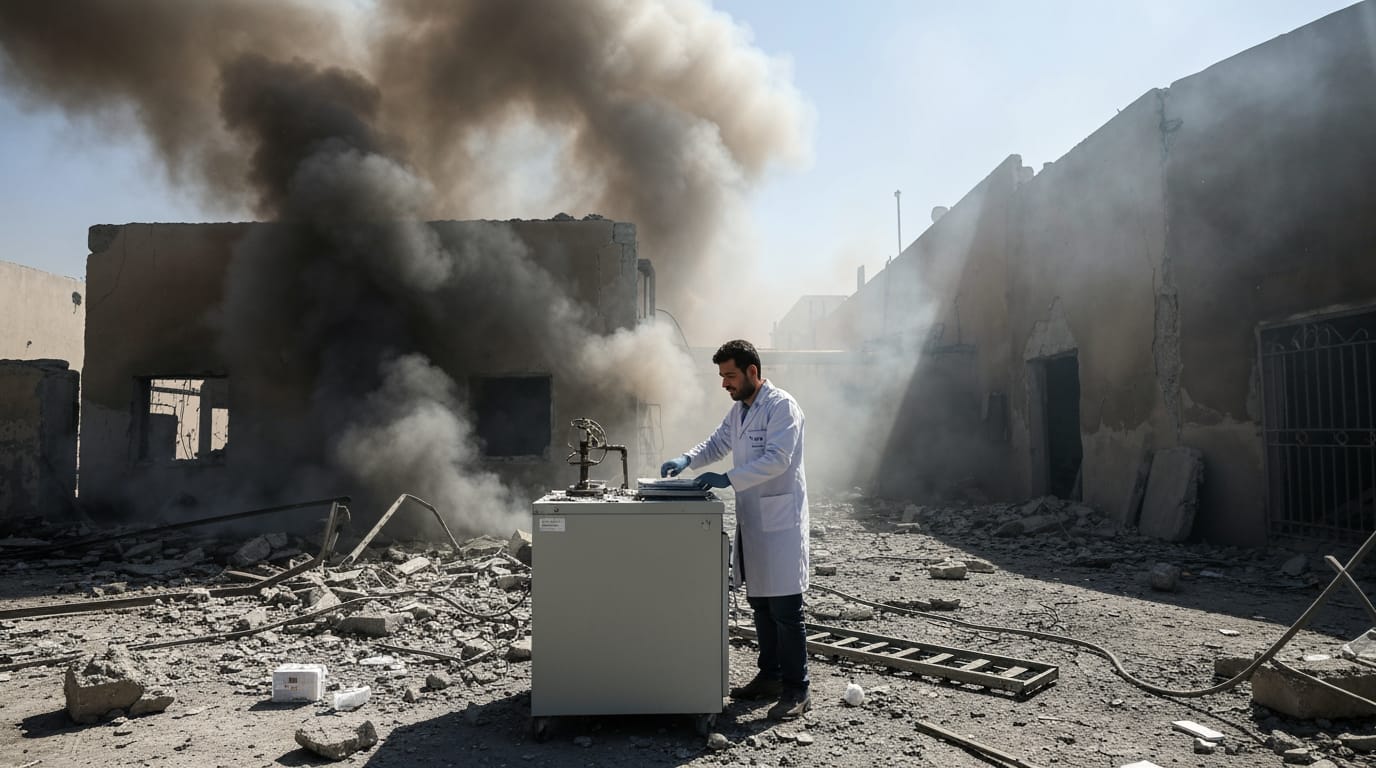
TEHRAN – Recent military actions targeting Iran's pharmaceutical production facilities have plunged the nation's healthcare system into a deeper crisis, jeopardizing access to life-saving medications for hundreds of thousands, if not millions, of patients. The attacks, attributed by Iran to the United States and Israel, have struck critical factories responsible for producing essential drugs, including those for cancer, chronic diseases, and even vaccines, raising alarms about potential war crimes and a humanitarian catastrophe.
The deliberate targeting of medical infrastructure marks a severe escalation in the ongoing conflict, moving beyond conventional military objectives to directly impact civilian health. This new dimension of warfare exacerbates an already strained system, reeling from years of international sanctions and broader regional supply chain disruptions. As international bodies and human rights organizations voice grave concerns, the immediate and long-term consequences for vulnerable Iranian citizens remain dire.
Critical Production Hubs Targeted in Recent Strikes
In a series of coordinated strikes around early April 2026, several vital pharmaceutical facilities across Iran were reportedly hit. Among the most significant targets were the Pasteur Institute, a centenarian institution crucial for Iran's vaccination efforts and research, and the Tofigh Daru Research & Engineering Company, a leading producer of anti-cancer, anesthetic, and specialized medicines. According to Iranian authorities, these attacks, which occurred recently, damaged or destroyed key manufacturing lines for active pharmaceutical ingredients essential for a wide range of treatments, including antibiotics and cardiovascular drugs.
Reports indicate that at least three critical pharmaceutical factories were bombed in a 48-hour period. The Tofigh Daru facility in Vardavard, west of Tehran, known for producing active pharmaceutical ingredients for severe illnesses like cancer and multiple sclerosis, was reportedly destroyed in an airstrike on March 31, 2026, following an evacuation warning from the Israeli military. Other damaged facilities include Zagros Pharmed and at least eight pharmaceutical factories nationwide, along with medical equipment manufacturers and a crucial warehouse for pharmaceutical and infant formula in Hamadan Province. Iranian officials have unequivocally condemned these actions, with former Foreign Minister Mohammad Javad Zarif describing the targeting of a pharmaceutical producer as part of a "broader pattern" of war crimes. Israel, in turn, claimed these plants were a cover for chemical weapons production, a claim for which no evidence has been provided.
A Healthcare System Under Siege: Immediate and Long-Term Impact
The destruction of these facilities directly threatens to cut off life-saving treatments for hundreds of thousands of patients grappling with severe and chronic illnesses. Iran’s domestic pharmaceutical industry has been a bulwark against years of sanctions, successfully developing capacity to meet approximately 90% of the nation's medical needs. The attacks on these foundational production sites undermine this self-sufficiency, risking widespread shortages and soaring prices for critical medications. Experts warn that such attacks are designed to limit medicine production and will disproportionately impact the poorest and most vulnerable Iranians.
Beyond the immediate loss of production capacity, the strikes inflict a psychological blow on a healthcare system already operating under immense pressure. For years, US oil and banking sanctions have severely curtailed Iran's export revenues, creating chronic foreign currency shortages that hamper the import of essential raw materials and specialized medicines not produced domestically. Despite humanitarian exemptions for medical goods, the labyrinthine financial restrictions and fears of reprisal have made international pharmaceutical firms and banks hesitant to engage with Iran, creating a de facto blockade on medical supplies. This has already put an estimated 6 million Iranians at risk due to lack of access to essential treatments for conditions like hemophilia, multiple sclerosis, and epilepsy. The current attacks intensify this existing crisis, pushing the system closer to a breaking point.
International Outcry and Concerns for Humanitarian Law
The international community has begun to react to the targeting of Iran's medical infrastructure, raising serious questions about adherence to international humanitarian law. The World Health Organization (WHO) expressed alarm over "multiple attacks on health" in Tehran, confirming significant damage to the Pasteur Institute that has rendered it unable to deliver health services. The Iranian Red Crescent has reported that 307 health, medical, and emergency care facilities have sustained damage in the ongoing conflict.
International humanitarian law, specifically Article 52 of Additional Protocol I to the Geneva Conventions, explicitly protects civilian objects, including medical and pharmaceutical facilities, from attack unless they are used for military purposes. Even in such cases, the principles of distinction, proportionality, and precaution must be strictly observed. Independent experts have indicated that targeting such vital civilian infrastructure, especially without compelling evidence of military use, could constitute war crimes. The National Iranian American Council (NIAC) has unequivocally condemned these attacks, stressing that targeting medical infrastructure and humanitarian supply chains is unacceptable and risks exacerbating human suffering. These incidents underscore a dangerous precedent that could undermine global norms protecting healthcare in conflict zones.
Broader Conflict and Global Supply Chain Disruptions
The attacks on Iranian pharmaceutical producers occur within a wider context of escalating regional conflict that has already strained global supply chains. The conflict has disrupted critical logistics corridors, including the Strait of Hormuz and major Gulf air hubs, leading to delays and increased costs for transporting goods, including medicines, worldwide. The World Food Program and other aid organizations have warned that the "war on Iran and disruption to the Strait of Hormuz risk pushing humanitarian operations beyond their limits," affecting millions in need globally.
Such disruptions particularly impact cold-chain medicines, like vaccines, insulin, biologics, and cancer therapies, which require strict temperature controls and swift transit. Delays can render these essential drugs unusable. Furthermore, a global helium shortage, partly due to an Iranian attack on a major production site in Qatar, threatens the availability of MRI machines, vital for medical diagnostics. While some countries maintain inventory buffers, prolonged conflict and continued targeting of production and transport infrastructure could lead to more widespread medicine shortages and price hikes across the globe.
Conclusion: A Looming Humanitarian Catastrophe
The recent attacks on Iran's pharmaceutical production capacity, coupled with longstanding sanctions and broader regional instability, represent a severe threat to public health in Iran and potentially beyond. While Iranian authorities are attempting to mitigate the impact through redistribution and emergency imports, the sustainability of such measures is questionable if attacks persist. The deliberate targeting of facilities producing life-saving medicines raises profound ethical and legal questions, underscoring the urgent need for adherence to international humanitarian law and de-escalation of hostilities.
The human cost of these actions cannot be overstated. Patients suffering from chronic and severe illnesses, already vulnerable, now face an even more precarious future as their access to essential treatments becomes increasingly uncertain. As the international community grapples with the geopolitical implications of the escalating conflict, the humanitarian imperative to protect medical infrastructure and ensure access to healthcare must remain paramount to prevent a further deepening of this unfolding crisis.


