Escalating Separatist Violence Plunges Cameroon's Anglophone Regions Deeper into Crisis
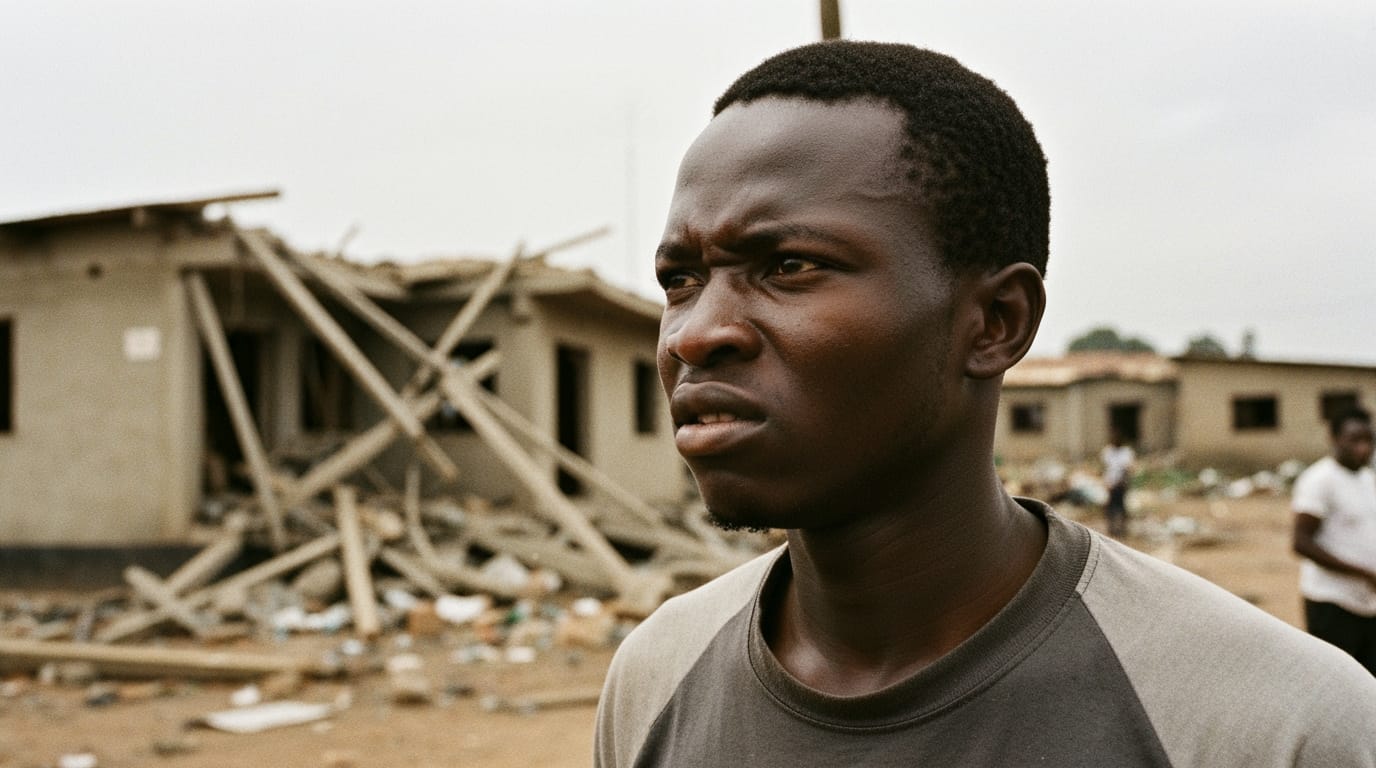
BAMENDA, Cameroon – A recent wave of suspected separatist attacks has sent shockwaves through Cameroon's English-speaking North-West and South-West regions, further escalating a protracted conflict that has claimed thousands of lives and displaced hundreds of thousands. The violence underscores the dire humanitarian situation and the persistent instability gripping the country's Anglophone areas, where a quest for independence has devolved into a brutal armed struggle.
In a particularly harrowing incident, armed separatists reportedly killed nine villagers and abducted ten others in a small village in Cameroon's western region. Eyewitness accounts suggest approximately 30 gunmen, dressed in military attire and speaking Pidgin English, ransacked a market, burned five shops and two vehicles, and made off with ten motorcycles. This attack, which occurred recently on a Tuesday morning, highlights the indiscriminate nature of the violence affecting civilian populations caught in the crossfire of the seven-year-long conflict. Just days earlier, on September 7, at least three civilians in the South-West were killed in an assault blamed on separatists, who fired upon car passengers and set vehicles ablaze.
A Cycle of Violence and Escalation
The recent attacks are part of a disturbing pattern of violence that has intensified across Cameroon's English-speaking regions. Beyond civilian casualties, government forces have also been targeted. A roadside bomb attack in southwestern Cameroon, near the town of Malende, killed seven soldiers, with the English-speaking separatist group, the Fako Unity Warriors, claiming responsibility for the Friday morning incident. These acts of aggression indicate a persistent and volatile environment despite official claims of reduced threat from armed groups. The government has consistently accused separatists of committing atrocities against civilians, while human rights groups frequently report abuses perpetrated by all parties involved in the conflict. Since late 2016, over 6,000 civilians have been killed by both government forces and separatist fighters. The International Crisis Group reported more than 6,000 deaths and hundreds of thousands displaced between 2017 and 2023.
The Deep Roots of the Anglophone Crisis
The conflict's origins trace back to 2016 when English-speaking lawyers, students, and teachers began protesting their perceived cultural marginalization by Cameroon's predominantly Francophone government. These initially peaceful demonstrations were met with a violent crackdown by security forces in the North-West and South-West regions, areas primarily inhabited by the country's Anglophone minority. The situation rapidly deteriorated, leading Anglophone separatists to declare independence and proclaim a new state of "Ambazonia" in October 2017.
The Anglophone grievances stem from a history of discrimination and exclusion since 1961, when the formerly British-administered Southern Cameroons joined the French-speaking Republic of Cameroon. English-speakers argue they have been consistently sidelined politically, economically, and culturally. The government's repressive response to protests exacerbated these tensions, transforming calls for greater autonomy into a full-blown civil war. Attempts at dialogue, such as the national 'grand dialogue' in September 2019, have largely failed to engage separatist leaders or achieve a clear path to peace.
A Humanitarian Catastrophe and Societal Disruption
The prolonged conflict has triggered a severe humanitarian crisis, leaving millions in urgent need of assistance. As of mid-2023, over 638,000 people were internally displaced across the Anglophone regions, with at least 1.7 million requiring humanitarian aid. Many have fled to rural areas, living in precarious conditions in makeshift shelters, while others have sought refuge in overcrowded urban centers. The displacement has led to immense vulnerability, with limited access to farms, markets, clean water, and healthcare.
Education has been particularly devastated, with armed separatists enforcing boycotts and repeatedly attacking schools, students, and educators since 2017. The United Nations reports that at least 2,245 schools are not functioning in the Anglophone regions due to these threats and assaults. Healthcare facilities and medical workers have also become targets, with attacks hindering vital aid delivery and forcing humanitarian organizations to suspend operations. Civilians face a constant threat of violence, including extrajudicial killings, sexual and gender-based violence, abductions, and the burning of villages. Both government forces and armed separatists have been accused of these abuses, trapping the population between warring factions.
An Enduring Impasse and International Concern
The international community has voiced increasing concern over the Anglophone crisis, calling for restraint and independent investigations into human rights violations. Despite these appeals, efforts to mediate a peaceful resolution have faced significant hurdles. A Canadian initiative in January 2023 to facilitate negotiations between the Cameroonian government and Anglophone separatists was publicly disavowed by Yaoundé, despite initial participation, dashing hopes for a potential breakthrough.
The political landscape remains tightly controlled, with the ruling party maintaining its long-standing hegemony, further limiting avenues for political dissent or meaningful resolution through electoral means. The persistent violence, coupled with the lack of effective dialogue, suggests a deeply entrenched conflict with devastating consequences for the civilian population.
The ongoing crisis in Cameroon's Anglophone regions presents a complex and tragic picture of human suffering. With widespread displacement, rampant human rights abuses, and the systematic targeting of civilian life, the need for a comprehensive and sustainable peace remains urgent. The international community continues to watch, emphasizing that without genuine engagement and accountability from all parties, the cycle of violence is likely to continue, exacting an ever-higher toll on the people of Cameroon.


