Escalation in Middle East: Israel Targets Iranian Regime Infrastructure as Conflict Widens
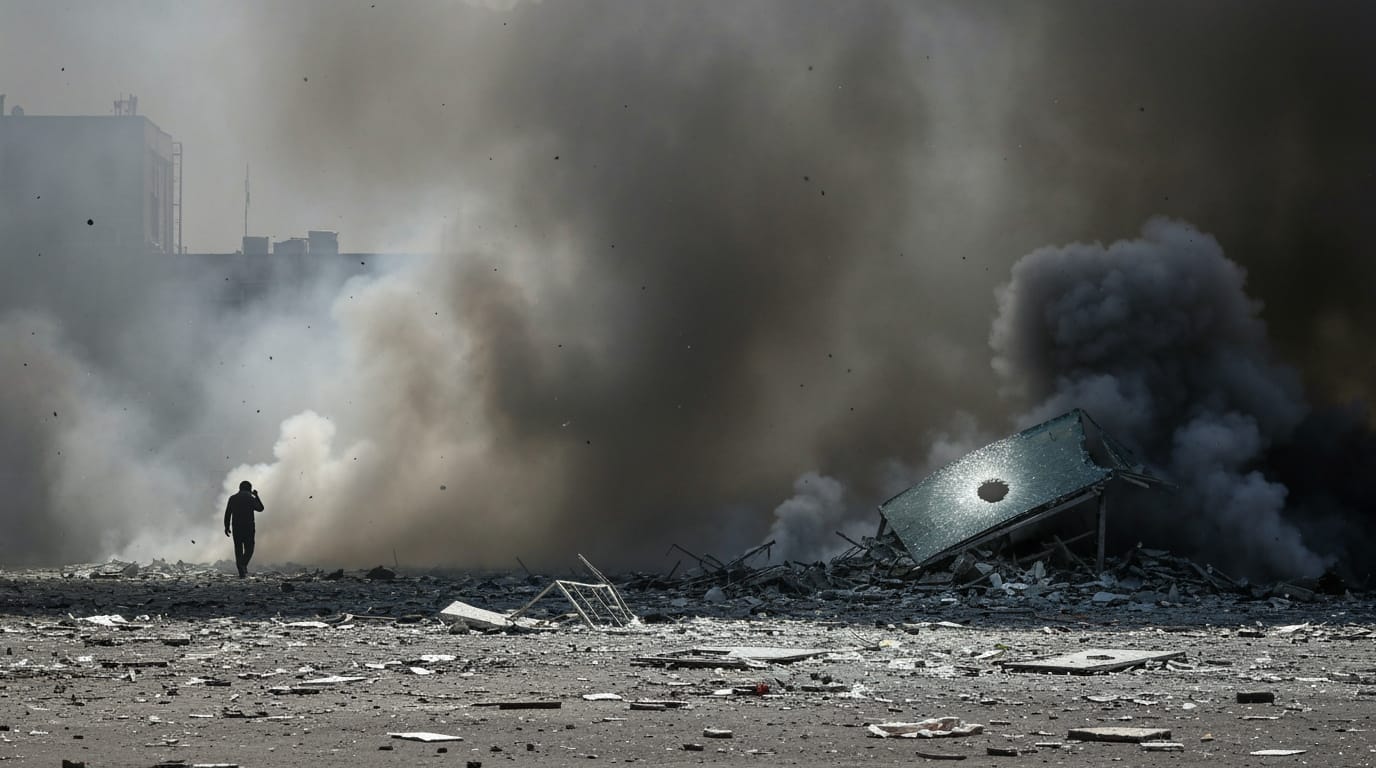
TEHRAN, Iran – The ongoing conflict in the Middle East has entered a new, volatile phase, marked by intensified Israeli airstrikes targeting critical Iranian regime infrastructure, including its energy sector and military assets. The coordinated campaign, which began in late February, has seen Israel and the United States unleash a barrage of attacks across Iran, drawing retaliatory strikes from Tehran and significantly escalating regional tensions.
Recent days have witnessed a significant expansion of targets, with Israeli forces directly hitting Iranian oil depots and refining facilities in Tehran and other cities. These strikes, described by Israeli officials as aiming to increase pressure on Tehran's leadership and disrupt its ability to provide basic necessities, signal a deepening of a conflict that has already claimed more than 1,200 lives in Iran alone.
Waves of Strikes Hit Strategic Targets
The latest wave of Israeli airstrikes, particularly over the weekend of March 6-7, focused heavily on Iran's energy infrastructure. Israeli fighter jets reportedly struck numerous fuel depots and refining facilities across Tehran, marking the first time Israel has directly targeted such sites since the current conflict began. Among the facilities hit were the large "Shahr Rey" oil depot, the Shahran depot, and Nobonyad depot, alongside military refineries. Israeli military sources indicated these strikes were intended to damage "regime infrastructure and national infrastructure," aiming to cripple Iran's economic and logistical capabilities.
Beyond energy sites, Israeli and U.S. forces have also targeted a wide array of Iranian military and internal security infrastructure. Reports indicate over 400 targets were struck across Iran during the March 6-7 weekend, with approximately 1,465 munitions dropped on sites including ballistic missile launchers, weapons production facilities, and bases of the Islamic Revolutionary Guard Corps (IRGC). Specific military targets included the IRGC Imam Hossein military university, ballistic missile storage facilities, underground missile command infrastructure, and launch sites in western and central Iran. Airports, such as Mehrabad in Tehran, Shahid Dastgheib in Shiraz, and facilities in Isfahan and Parchin, also came under attack, with F-14 fighter aircraft and key ballistic missile production sites being damaged. The IRGC Intelligence Organization's headquarters in Tehran City also sustained extensive damage, according to satellite imagery.
Background to an Escalating Conflict
The current hostilities represent a significant escalation in the long-standing shadow war between Israel and Iran. The widening conflict officially commenced on February 28, 2026, with a series of joint U.S. and Israeli strikes that targeted Iranian missiles, air defenses, military infrastructure, and leadership. Notably, these initial strikes reportedly resulted in the death of Iran's Supreme Leader, Ayatollah Ali Khamenei, a development that dramatically reshaped the regional landscape.
For years, tensions have simmered over Iran's nuclear program, its ballistic missile capabilities, and its extensive network of proxy forces across the Middle East. Attempts to renegotiate a nuclear deal proved unsuccessful in the preceding years, and Iran's position was considered weakened due to prolonged sanctions, recent domestic protests, and damage from a brief conflict with Israel in June 2025. This perceived vulnerability, coupled with a calculation by the United States and Israel that military means offered a greater opportunity to advance their objectives, precipitated the current open conflict.
Iran's Retaliation and Regional Ripple Effects
Iran has not remained passive in the face of these attacks. Tehran has launched retaliatory missile and drone strikes targeting Israel and U.S.-linked infrastructure throughout the Gulf region. These retaliatory actions have included strikes on U.S. military targets and assets in neighboring Arab countries, with officials reporting damage to a desalination plant in Bahrain and fuel tanks at Kuwait International Airport. Kuwait's interior ministry reported two officers killed, and a projectile strike in Saudi Arabia's Al-Kharj province resulted in the deaths of two foreign nationals and injured 12 others, marking the first reported fatalities in the kingdom since the conflict began.
Iran's military leadership has issued stern warnings, threatening to target oil sites across the region if Israel continues to strike its energy infrastructure. Iranian military officials stated they have intelligence oversight and offensive capabilities to identify various fuel, energy, and public service infrastructures in the region, and warned that continued strikes could push the conflict into a broader, more economically disruptive phase.
Humanitarian and Economic Fallout
The human cost of the widening conflict is substantial. The Iranian Red Crescent Society reported that approximately 10,000 civilian structures across the country have been damaged, including homes, schools, and nearly three dozen health facilities. The organization has also warned Tehran residents about the risks of toxic air pollution and acid rain following the Israeli strikes on oil facilities. In Israel, the Health Ministry reported 1,929 people hospitalized since the conflict began, with nine in critical condition. The combined death toll across Iran, Lebanon, and Israel has exceeded 1,600, according to various reports.
Economically, the strikes on energy infrastructure have immediate global implications. Goldman Sachs has warned that oil prices could surpass $100 per barrel and potentially reach $150 by the end of March, citing the risk of supply disruptions through the critical Strait of Hormuz. Iran's Parliament Speaker, Mohammad Baqer Qalibaf, echoed these concerns, stating that the war's impact on the oil industry would spiral, potentially making it harder to produce and sell oil globally.
The international community, while expressing concern, remains deeply divided. The Arab League chief criticized Iran for its "reckless policy" of attacking neighbors, highlighting the regional destabilization caused by the conflict. As the United States and Israel continue their coordinated campaign, and Iran vows further retaliation, the Middle East faces an increasingly uncertain future with no clear path to de-escalation.


