India Grapples with Escalating West Asia Conflict: Jaishankar Briefs Parliament on Regional Crisis
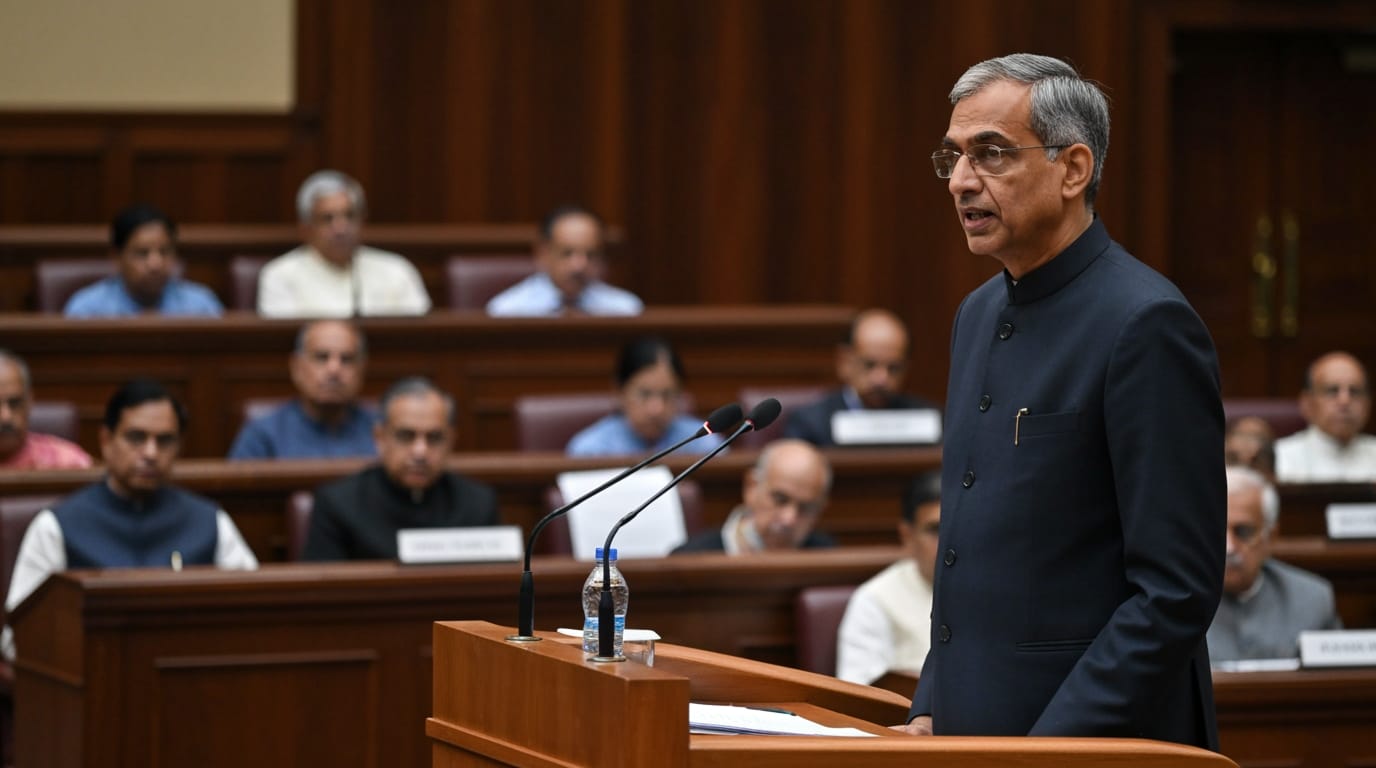
New Delhi, India – External Affairs Minister S. Jaishankar today addressed both houses of Parliament, providing a comprehensive briefing on the escalating conflict in West Asia, a situation he termed a "deep cause for concern" for India. The conflict, which ignited on February 28, 2026, has seen direct engagements between Israel and the United States on one side, and Iran on the other, extending its destructive reach to several Gulf states and leading to significant casualties, including within Iran's leadership. India, with its substantial diaspora and critical energy interests in the region, faces profound economic and security challenges, prompting urgent governmental action and a reiterated call for dialogue and diplomacy.
Unfolding Crisis and India's Immediate Response
The conflict, described by Jaishankar as having intensified significantly, began with airstrikes in Iran and subsequent attacks across various Gulf countries. Casualties have been numerous, with reports indicating destruction of infrastructure and the death of Iranian Supreme Leader Ali Khamenei, among other senior figures. The Indian government immediately expressed deep concern, issuing a statement on February 28 urging all sides to exercise restraint, avoid escalation, and prioritize civilian safety.
Prime Minister Narendra Modi has been closely monitoring developments, chairing a crucial Cabinet Committee of Security (CCS) meeting on March 1. This meeting focused on the safety and security of the vast Indian community in the region, as well as the broader implications for regional security and economic activities. Ministries and departments have been directed to coordinate effective responses, including addressing difficulties faced by Indian travelers and students.
Prioritizing the Safety of Indian Nationals Abroad
A paramount concern for New Delhi is the well-being of the nearly one crore (10 million) Indian citizens residing and working in Gulf nations, in addition to thousands present in Iran for study or employment. Jaishankar informed Parliament that regrettably, two Indian sailors have died in the recent incidents, with one still reported missing.
In anticipation of escalating tensions, the Ministry of External Affairs had issued a series of advisories beginning January 5, 2026, urging Indian nationals to avoid non-essential travel to Iran and those already there to register with the Embassy and exercise caution. These advisories were reiterated with increasing urgency on January 14, February 14, and February 23. Despite these warnings, many individuals disregarded them and remained in Iran.
Following the outbreak of conflict, the Indian Embassy in Tehran has remained fully operational and on high alert, facilitating the relocation of several Indian students to safer areas outside the capital. Assistance was also provided to Indian business travelers to cross into Armenia for their return home. Official figures indicate that approximately 67,000 Indian nationals have returned from the region amidst the rising tensions, with the government approving commercial flights for their repatriation. The Directorate General of Shipping also issued a parallel advisory to Indian seafarers on January 14, advising them to follow embassy guidance and avoid unnecessary movement ashore, while recruitment companies were cautioned against deploying Indian seafarers to Iran.
India's Diplomatic Stance and Strategic Balancing Act
India's approach to the West Asia crisis is anchored in three core principles: advocating for peace, ensuring the safety of its citizens, and safeguarding national interests. Jaishankar emphasized that dialogue and diplomacy remain the only viable path to de-escalation, a position consistently articulated by New Delhi. This stance underscores India's historical commitment to non-alignment and its strategic autonomy in foreign policy, even as it navigates complex relationships with all parties involved in the regional conflagration.
The External Affairs Minister acknowledged the difficulty in establishing contact with Iran's leadership at present, highlighting the volatile nature of the situation. However, a gesture of humanitarian aid was extended when India approved Iran's request to dock its warship Lavan at Kochi port on March 4, following an initial request on February 28 for three Iranian ships to use Indian facilities. This demonstrates India's continued engagement and its capacity to act on humanitarian grounds amidst geopolitical tensions.
Economic Reverberations: Energy Security and Trade Flows
The conflict in West Asia poses significant economic challenges for India, particularly concerning energy security and the integrity of global supply chains. The region is a critical supplier of oil and gas, and any sustained disruption could have severe repercussions. Jaishankar warned Parliament of the potential for "serious supply chain disruption" and underscored that the interests of the Indian consumer remain the government's "overriding priority."
The Finance Ministry, in its Monthly Economic Review for February, cautioned that the conflict heightened risks to India's energy security, inflation outlook, and external sector stability. A prolonged conflict could push up global energy prices, especially if the Strait of Hormuz, a vital chokepoint for oil shipments, faces disruptions. Such a scenario could widen India's current account deficit, exert pressure on the rupee, and necessitate fiscal reprioritization to manage energy risks. An external member of the Reserve Bank of India's (RBI) rate-setting panel also noted that while the conflict poses immediate challenges like rising oil prices and potential export disruptions, it is unlikely to dent India's long-term economic growth momentum.
Conclusion: A Call for Stability and Sustained Vigilance
The ongoing conflict in West Asia presents a multifaceted challenge for India, encompassing the safety of its diaspora, the stability of its energy supplies, and the broader economic landscape. As External Affairs Minister Jaishankar conveyed to Parliament, maintaining peace and stability in West Asia is not merely a regional concern but a matter of direct national interest for India. The government remains committed to its principled stance of advocating for dialogue and diplomacy to de-escalate tensions and uphold the sovereignty and territorial integrity of all nations. While immediate efforts focus on safeguarding Indian citizens and mitigating economic fallout, New Delhi continues to monitor the evolving situation closely, prepared to adapt its strategies to protect its strategic interests in an increasingly volatile global environment.


