Escalation in the Middle East: Europe's Fractured Response to US-Israeli Strikes Risks Widespread Backlash

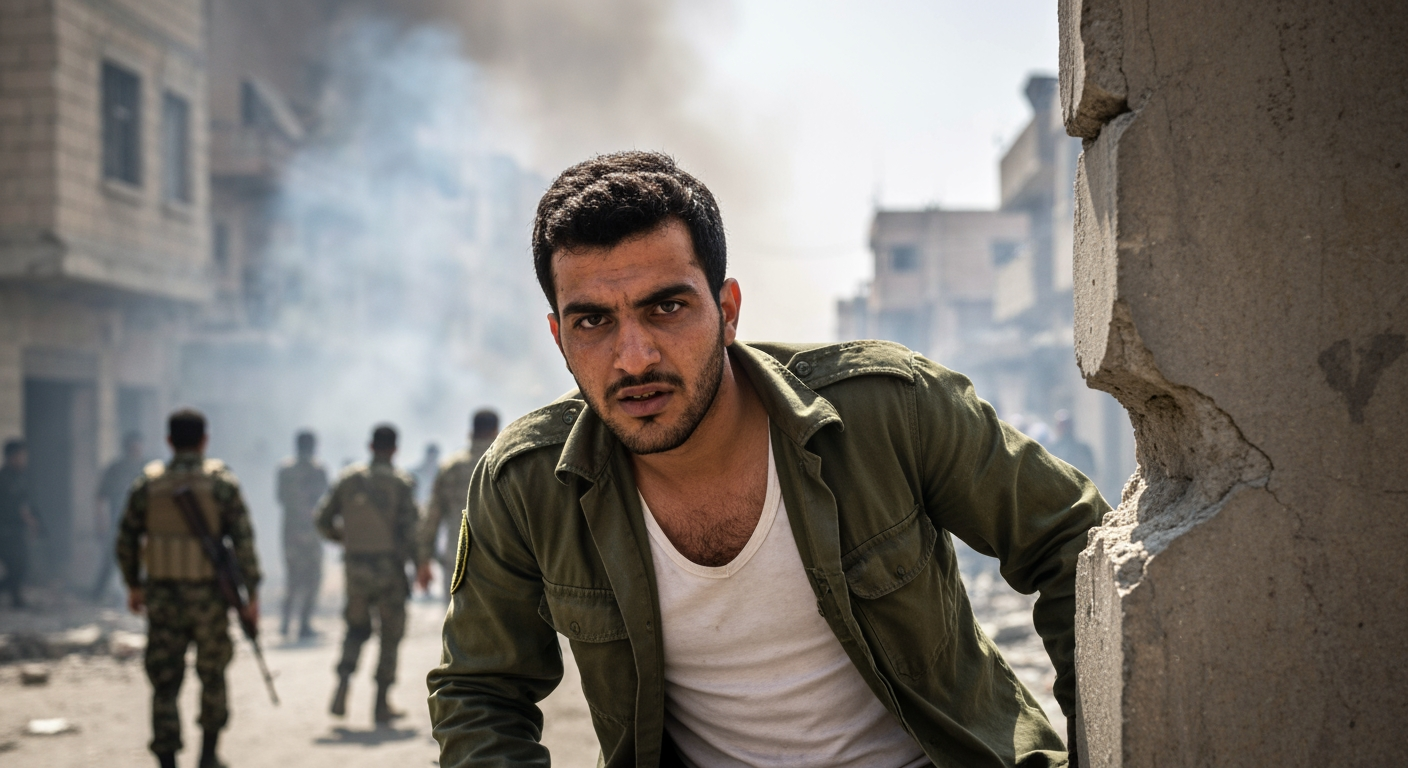
The Middle East has been plunged into a wider war following joint US-Israeli military strikes against Iran on February 28, 2026, triggering swift and widespread Iranian retaliation. As the region grapples with the immediate fallout of a conflict now explicitly aimed at regime change in Tehran, Europe finds itself navigating a perilous landscape, grappling with a deeply divided response that risks severe economic, security, and humanitarian consequences across the continent. With energy markets volatile, trade routes imperiled, and a potential migration crisis looming, the fragmented European stance on US-Israeli actions threatens to backfire, undermining stability and exposing the continent to unprecedented risks.
The Precipice of War: US-Israeli Strikes and Iranian Retaliation
In the early hours of February 28, 2026, a coordinated offensive by American and Israeli forces targeted Iranian military, nuclear, and leadership sites, reportedly resulting in the death of Iran's Supreme Leader Ali Khamenei and other high-ranking officials. This significant escalation marked a definitive shift in strategy, with US President Donald Trump and Israeli Prime Minister Benjamin Netanyahu framing the operation as a means to "uproot Iran" and remove an "existential threat," signaling regime change as an explicit goal.
Iran's response was immediate and far-reaching. Tehran launched retaliatory missile and drone attacks against Israel, US bases, and non-military targets across the Gulf region, including airports and energy infrastructure in countries like Saudi Arabia, Qatar, the United Arab Emirates, Bahrain, Kuwait, and Jordan. Shipping through the vital Strait of Hormuz, a chokepoint for approximately 20% of global oil and LNG trade, slowed to a near standstill following the initial strikes, causing immediate spikes in global energy prices. The conflict quickly entangled neighboring states, with Lebanon and Iraq drawn into the fighting, and a drone damaging a UK air base in Cyprus, underscoring the widespread nature of the new hostilities.
Europe's Divided Front: Diplomacy vs. Aligning with Allies
Amidst the rapidly escalating crisis, Europe's response has been notably fractured, highlighting deep divisions within the transatlantic alliance and among European nations themselves. The E3 — France, Germany, and the United Kingdom — issued a joint statement, asserting their non-participation in the strikes but expressing close contact with international partners, including the United States and Israel. They condemned Iran's retaliatory attacks and urged Tehran to seek a "negotiated solution," while also indicating readiness to support efforts to prevent further Iranian missile and drone launches. This position, however, has been criticized by some as a "master class in evasion," effectively granting the US and Israeli governments a "blank check" by failing to condemn the initial strikes under international law.
In contrast, Spain emerged as a rare dissenting voice within the European Union, with Prime Minister Pedro Sánchez criticizing the military intervention as "unjustifiable, dangerous and outside of international law." Other European leaders, while expressing concern and calling for restraint, have largely refrained from directly criticizing the US-Israeli actions, despite acknowledging that Europeans were not consulted on the operation. European Commission President Ursula von der Leyen emphasized the need for a diplomatic solution, urging all parties to de-escalate and halt the conflict's spread.
This internal European split reflects a broader challenge to the continent's foreign policy relevance. Despite Europe's significant stakes in the region, including energy supplies, trade routes, and security, some analysts contend that the EU has been "wholly absent" from the crisis, its once-credible diplomatic role, particularly regarding the Iran nuclear deal (JCPOA), now largely diminished. The EU's perceived unwillingness to chart an independent foreign policy from the US, especially since the US withdrawal from the JCPOA in 2018, has reportedly led to its "irrelevance" from Tehran's perspective.
Economic Tremors: Energy Markets and Global Trade Under Threat
The immediate economic impact of the conflict has been severe, particularly for European energy markets. Following the strikes, oil prices spiked by approximately 8%, and European gas prices surged by about 20%. The near cessation of shipping through the Strait of Hormuz poses a significant threat, as it handles about a fifth of global oil and petroleum products and nearly 20% of global liquefied natural gas (LNG) trade. A prolonged disruption could lead to significant global supply shocks.
While Europe is less dependent on Gulf oil and LNG than some Asian nations, it is not immune. Any blockage of the Strait of Hormuz would trigger immediate global price spikes, forcing Europe to compete for flexible LNG cargoes on the spot market. This could exacerbate already low gas storage levels in Europe (46 billion cubic meters at the end of February 2026, compared to 60 bcm in 2025), pushing up industrial energy costs and potentially reigniting inflationary pressures across the eurozone. The economic ramifications extend beyond energy, affecting global supply chains already stressed by previous geopolitical events.
Humanitarian and Security Fallout: Migration and Regional Instability
Beyond economic anxieties, the escalating conflict carries profound humanitarian and security implications for Europe. Analysts warn that the war could trigger a prolonged migration crisis, as economic collapse and widespread instability within Iran could prompt millions of Iranians and Afghans currently residing in Iran to seek refuge in Europe. Even if direct conflict subsides, deteriorating conditions could sustain this migratory pressure, straining European asylum systems.
Furthermore, the conflict is projected to heighten security risks within Europe. Radical groups, potentially activated by Tehran or sympathetic to the Islamist regime, could become more active, targeting European countries that have previously opened their borders. The dismantling of a seven-member terror cell with links to Iran in the UK in May 2025 serves as a stark reminder of this threat. The destabilization of the Gulf region, a crucial area for European trade and energy, also carries direct repercussions for Europeans in terms of war, terrorism, and waves of migration.
Conclusion
The US-Israeli strikes on Iran and the subsequent regional conflagration represent a critical juncture for international security and particularly for Europe. The continent's split response, ranging from explicit support for containing Iranian retaliation to calls for diplomatic solutions and outright condemnation of the initial strikes, underscores a strategic dilemma. While European nations grapple with the immediate need to protect their interests and citizens caught in the crossfire, the long-term consequences of this disunity could be profound.
The war has already unleashed significant economic instability, threatening Europe's energy security and exacerbating inflationary pressures. Simultaneously, it portends a humanitarian crisis with potential large-scale migration and a heightened threat of terrorism on European soil. For the European Union, the challenge is not merely to mitigate the immediate fallout but to forge a cohesive and effective foreign policy that can navigate complex geopolitical realities, uphold international law, and actively work towards de-escalation rather than being drawn into an ever-widening regional conflict. The failure to present a unified diplomatic front risks not only backfiring on Europe's own security and prosperity but also further diminishing its global influence at a moment when collective action is most urgently needed.
Related Articles

Landmines Resurge Globally, Shattering Two Decades of Progress
The global effort to eradicate antipersonnel landmines, once heralded as a monumental success in humanitarian disarmament, is facing a perilous reversal. Despite an international treaty banning these indiscriminate...


Disinformation Campaigns Cloud Michigan's Critical US Senate Race
LANSING, Mich. — The fiercely contested Democratic primary for the U.S. Senate in Michigan has become a battleground not just of policy and ideology, but of pervasive disinformation, with progressive candidate Abdul...