Escalation in Ukraine: Odesa Mourns Civilian Casualties While Kyiv Intensifies Strikes on Russian Oil Exports
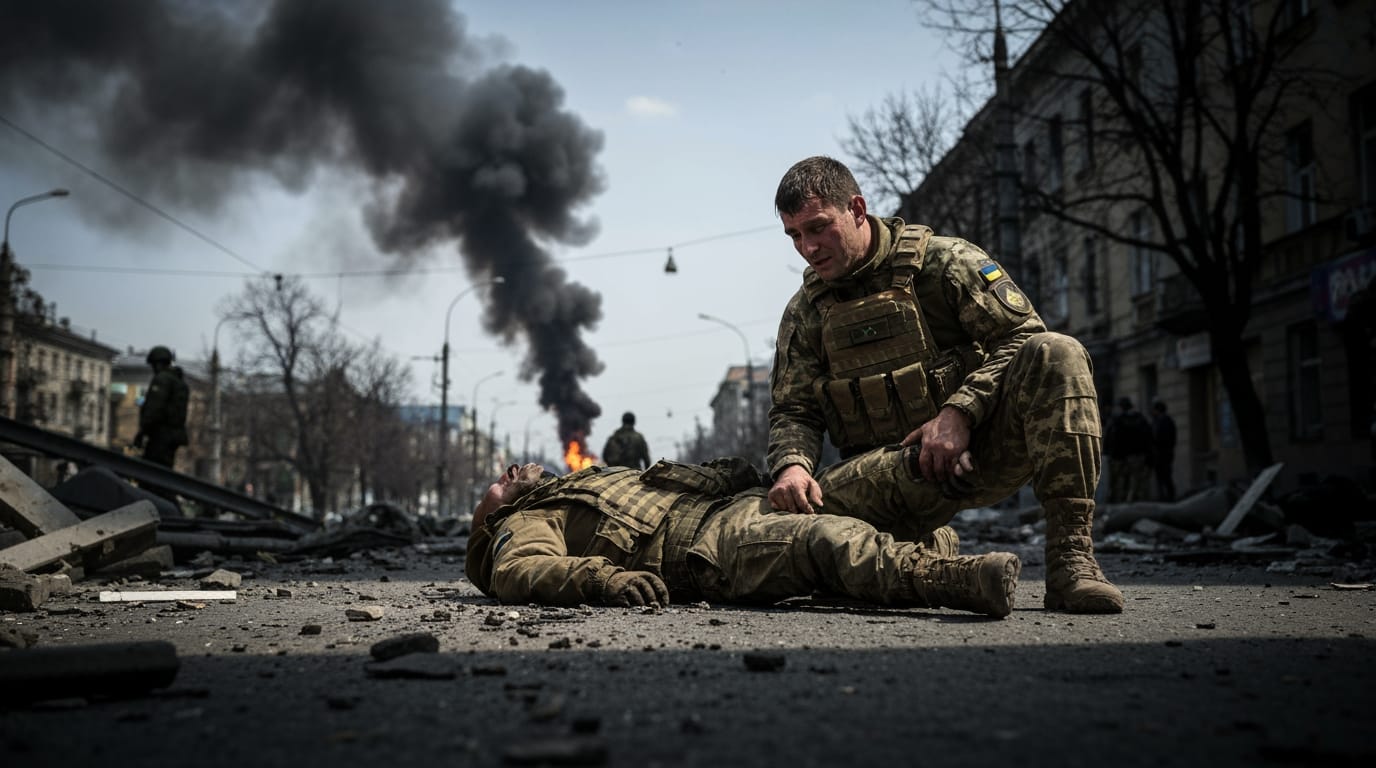
Odesa, Ukraine – April 6, 2026 – A Russian drone attack devastated residential areas in the southern port city of Odesa overnight, killing at least three people, including a child, and injuring ten others, underscoring the relentless human toll of the ongoing conflict. This assault on Ukrainian civilians unfolded as Kyiv announced a significant intensification of its long-range drone campaign targeting Russia's vital oil export infrastructure, aiming to cripple Moscow's war economy.
The dual developments highlight a critical phase in the war, now in its fifth year, with both sides escalating their strategic attacks. While Russia continues its aerial bombardments of Ukrainian cities and energy facilities, Ukraine is increasingly projecting its force deep into Russian territory, focusing on the economic lifelines that fuel the Kremlin's military efforts. The tragic loss of life in Odesa serves as a stark reminder of the conflict's devastating impact on ordinary citizens, even as Ukraine seeks to leverage its growing drone capabilities to exert pressure on Moscow.
Odesa Reels from Deadly Overnight Drone Barrage
The silence of the night in Odesa was shattered by a large-scale Russian drone attack between April 5 and 6, 2026, which deliberately struck residential buildings in the Prymorskyi and Kyivskyi districts of the city. The most heartbreaking consequence of the assault was the death of three individuals, including a two-year-old child. Two women were also among the confirmed fatalities. The attack left ten people injured, with two in critical condition requiring specialized medical care in neurosurgery and burn intensive care units. Eight others sustained moderate injuries, including a two-year-old child and two teenagers aged 17 and 18.
The destruction was widespread, with a high-rise residential building severely damaged between its second and fourth floors in the Prymorskyi district. Beyond this, seven private houses, a private kindergarten, a shop, and 27 cars also sustained damage across the affected districts. Ukrainian President Volodymyr Zelenskyy condemned the attack, lamenting the civilian deaths and injuries, and reiterated calls for international partners to bolster Ukraine's air defense capabilities to counter such persistent threats. This incident is part of a broader pattern of Russian forces continuously targeting civilian areas and critical infrastructure across Ukraine, with over 2,800 attack drones, nearly 1,350 powerful glide bombs, and more than 40 missiles launched in the past week alone. Energy infrastructure in regions like Chernihiv, Sumy, Kharkiv, and Dnipro also came under Russian fire, leaving hundreds of thousands without electricity.
Kyiv Targets Russian Oil Exports to Choke War Machine
In a concerted strategic move, Ukraine has amplified its long-range drone attacks against Russia's oil export facilities, aiming to disrupt Moscow's revenue streams that finance its ongoing military aggression. Ukrainian officials justify these strikes as a direct response to Russia's relentless bombardment of Ukrainian cities and energy networks, viewing the Russian oil infrastructure as legitimate military targets contributing to the war effort. Ukraine has developed advanced long-range drones, capable of reaching targets up to 1,500 kilometers (900 miles) inside Russian territory.
Recent weeks have seen a surge in these drone operations, hitting crucial sites across Russia. Notably, the Sheskharis oil terminal at the Black Sea port of Novorossiysk, a major export hub handling approximately one million barrels per day—up to 20% of Russia's seaborne oil exports—caught fire after a Ukrainian drone attack in early April. Other significant targets include the Lukoil oil refinery in Kstovo, located about 800 kilometers from the Ukrainian border, and oil terminals in Primorsk and Ust-Luga on the Baltic Sea. The Primorsk terminal has reportedly been struck three times within a two-week period, and the Ust-Luga port has experienced multiple disruptions, including a temporary closure.
Significant Economic Impact on Moscow
These sustained Ukrainian strikes are inflicting considerable damage on Russia's oil industry, leading to tangible economic repercussions. Industry sources and market data indicate a substantial reduction in Russia's oil export capacity, with estimates ranging from 20% to as much as 43% being impacted or taken offline. Reports suggest an estimated reduction of one million barrels per day in export capacity, significantly disrupting crude loading and shipments.
The financial toll on Russia is also mounting, with industry experts estimating losses exceeding $70 million per day due to these attacks. The disruptions have led to an overflow of Russia's domestic oil storage systems, making future oil production cuts inevitable. Furthermore, Ukrainian strikes have demonstrably reduced Russia's refining capacity by an estimated 17%, or about 1.1 million barrels per day, impacting its ability to process crude oil and produce refined products. Russian military bloggers have reportedly acknowledged the severity of the damage, noting that repairs will be costly and time-consuming, compounded by difficulties in acquiring necessary parts due to international sanctions.
International Reactions and Future Trajectory
The intensification of Ukraine's drone campaign against Russian energy infrastructure has garnered mixed reactions on the international stage. While Kyiv maintains these strikes are a necessary defensive measure, some of Ukraine's allies have privately expressed concerns. Reports suggest that certain partners have requested Kyiv to scale back attacks on Russian oil refineries, citing worries about rising global fuel prices exacerbated by broader geopolitical tensions. The United States, for instance, had previously provided temporary waivers from sanctions on Russian oil exports to help stabilize global supply.
Despite these appeals, Ukrainian President Zelenskyy has indicated that Kyiv would only halt its targeting of Russian oil exports if Moscow, in turn, ceases its attacks on Ukraine's civilian energy infrastructure. The Institute for the Study of War recently assessed that Ukraine has notably stepped up these attacks over the past fortnight, underscoring a deliberate and calculated strategy. This ongoing tit-for-tat escalation, where civilian populations and economic infrastructure remain primary targets, signals a protracted conflict with significant humanitarian and global economic implications. The divergent strategies employed by both nations suggest that neither side is prepared to yield, indicating a continuation of intense and often devastating warfare.


