South Korean President Expresses Regret Over Drone Incursion into North, Citing "Reckless Actions"
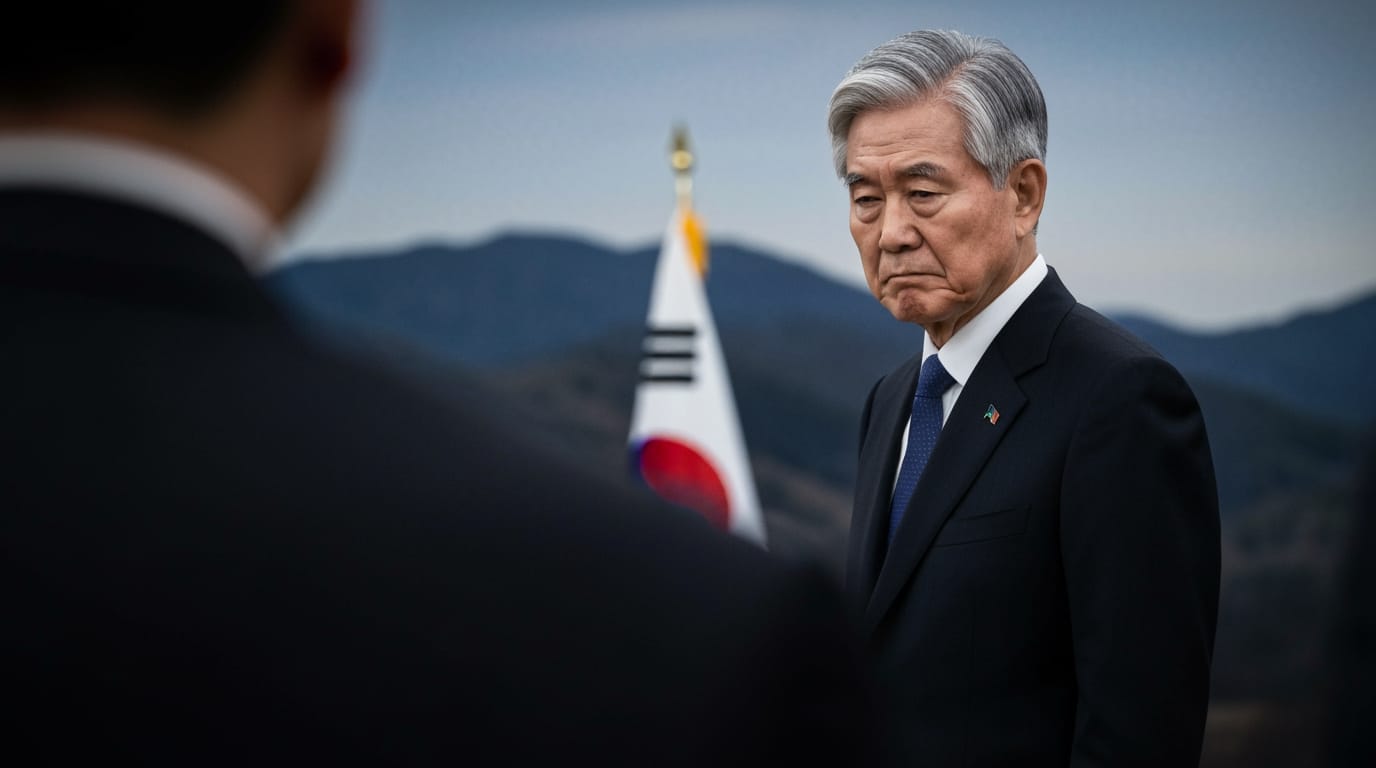
SEOUL – South Korean President Lee Jae-myung has publicly expressed regret over drones from the South entering North Korean airspace earlier this year, acknowledging the involvement of government officials in actions he described as "irresponsible and reckless." This unprecedented admission comes amid heightened tensions on the Korean Peninsula, signaling Seoul's attempt to de-escalate military friction while grappling with unauthorized provocations.
The president’s statement on Monday, April 6, 2026, marks a significant shift from earlier positions, which initially suggested civilian involvement in the January drone incursion. During a cabinet meeting, President Lee stated, "Although it was not our government's intention, we express our regret to the North over the fact that unnecessary military tensions were caused by the irresponsible and reckless actions of some individuals."
Unraveling the January Incursion
The incident in question occurred in early January, when drones originating from South Korea reportedly crossed into North Korean territory. Initial reports from Seoul suggested these were actions undertaken by private individuals, potentially activist groups, without government sanction. However, a subsequent internal investigation launched by South Korean authorities revealed a more complex reality. President Lee disclosed that a probe confirmed the involvement of a National Intelligence Service official and an active-duty military soldier in the drone operation.
This official acknowledgment contradicts the initial narrative and underscores a lapse in control over sensitive cross-border activities. President Lee emphasized that the South Korean constitution prohibits individual acts of provocation against North Korea, stating that such actions, even if perceived as necessary for national strategy, must be approached with extreme caution. He has been vocal about his administration's commitment to preventing future incidents and maintaining stability on the peninsula.
Pyongyang's Stern Warning and Seoul's Response
North Korea's reaction to the January drone incursions was swift and severe. Pyongyang claimed to have downed a drone carrying "surveillance equipment" in early January, providing state media photos of wreckage that allegedly included cameras. In February, North Korea issued a stark warning, threatening a "terrible response" if its airspace was again violated by drones from the South. Kim Yo-jong, the influential sister of North Korean leader Kim Jong-un, explicitly stated, "We do not care who is truly responsible for the drone infiltration into our airspace, nor whether it is an individual or a civilian organization."
These threats underscored the volatile nature of inter-Korean relations and the potential for even seemingly minor provocations to trigger significant escalation. The North's firm stance undoubtedly pressured Seoul to investigate the claims thoroughly and led to President Lee's formal expression of regret, an apparent attempt to de-escalate tensions and prevent further retaliatory actions from Pyongyang. Lee's efforts to mend ties with North Korea since taking office have been met with consistent rebuffs, making this diplomatic overture particularly noteworthy amidst ongoing hostilities.
A History of Aerial Intrusions and Escalation
Drone activity has increasingly become a flashpoint along the heavily fortified inter-Korean border, contributing to a cycle of accusations and military maneuvers. The January 2026 incident is not an isolated event but part of a recurring pattern of aerial incursions from both sides. In December 2022, five North Korean drones crossed into South Korean airspace, penetrating as far as the capital, Seoul. This intrusion prompted South Korea to scramble fighter jets and attack helicopters, though its military faced criticism for failing to shoot down any of the unmanned aerial vehicles. Then-President Yoon Suk-yeol at the time lambasted his military's preparedness and vowed to establish a specialized drone unit for surveillance and reconnaissance against the North.
North Korea has also frequently accused South Korea of sending drones into its territory, particularly for dropping propaganda leaflets. For instance, in October 2024, North Korea claimed South Korean drones were used to scatter anti-Pyongyang materials over its capital, prompting threats of military action. Such reciprocal accusations highlight the profound distrust that characterizes inter-Korean relations and the persistent challenge of distinguishing between state-sanctioned and unauthorized cross-border activities.
The Shadow of Past Allegations and Future Implications
Adding another layer of complexity to the drone issue is the ongoing legal controversy surrounding former South Korean President Yoon Suk-yeol. He is currently facing criminal charges related to allegations that he orchestrated covert drone operations into North Korea in October 2024. Prosecutors contend that these alleged drone flights were intended to incite a North Korean response, which Yoon could then use as a pretext for declaring martial law—an action that ultimately led to his impeachment and removal from office. Yoon has denied these allegations, claiming he had no knowledge of such operations and that the charges are unfounded.
This past political scandal underscores the high stakes associated with drone operations near the Demilitarized Zone and the potential for such actions to be intertwined with domestic political maneuvering. President Lee Jae-myung’s current expression of regret stands in contrast to the allegations against his predecessor, illustrating different approaches to managing the volatile relationship with Pyongyang. While President Lee seeks to de-escalate through acknowledgment and promises of prevention, the accusations against former President Yoon highlight a more aggressive, albeit alleged, strategy that risked severe military repercussions.
The consistent presence of drones as instruments of surveillance, propaganda, and potential provocation continues to destabilize the Korean Peninsula. President Lee Jae-myung's regret over the January incident, particularly the admission of official involvement, represents a critical diplomatic gesture aimed at mitigating immediate tensions and preserving the faint hope of future dialogue. However, the deep-seated distrust between the two Koreas, coupled with the proven capacity for both authorized and unauthorized actions to ignite conflict, ensures that the challenge of achieving lasting peace remains profoundly complex.


