Escalation Looms as Trump Scraps Iran Nuclear Deal, Tehran Vows Defiance
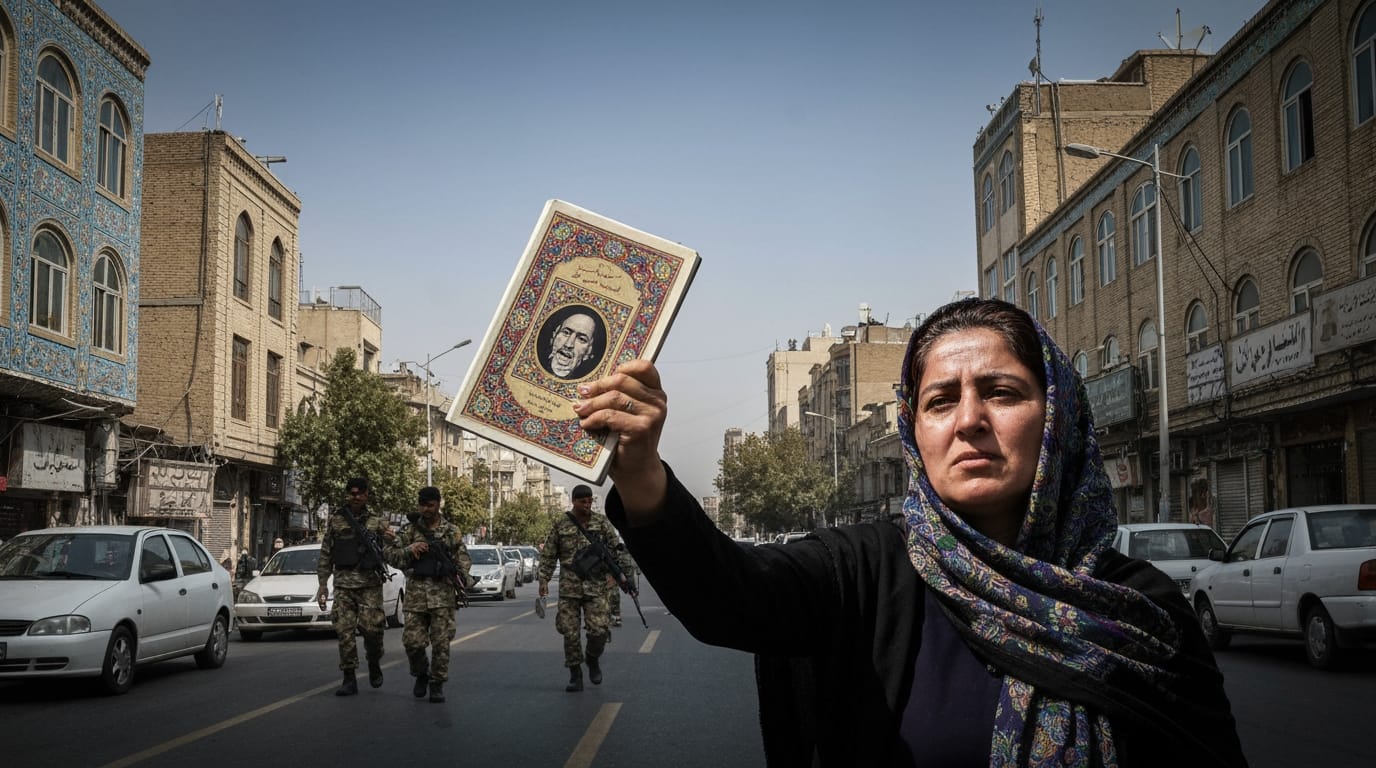
WASHINGTON – President Donald Trump today announced the United States' withdrawal from the landmark 2015 Iran nuclear deal, formally known as the Joint Comprehensive Plan of Action (JCPOA), and declared the immediate re-imposition of severe economic sanctions against Tehran. The decision, revealed from the White House, marks a significant shift in U.S. foreign policy and thrusts the international community into a period of heightened uncertainty regarding Iran's nuclear ambitions and regional stability. Tehran, in response, quickly condemned the move, vowing to resist renewed pressure and signaling its intent to potentially ramp up its own nuclear program if the remaining signatories fail to uphold the agreement.
The move comes after months of escalating rhetoric from the Trump administration, which consistently labeled the JCPOA as a "horrible, one-sided deal" that failed to adequately curb Iran's nuclear program or address its ballistic missile development and regional activities. Despite fervent appeals from European allies to preserve the accord, President Trump remained steadfast in his conviction that the agreement was fundamentally flawed and that a tougher stance was necessary to prevent Iran from developing nuclear weapons. The approaching May 12 deadline, a self-imposed cutoff for waiving U.S. sanctions, served as the immediate trigger for today's definitive action.
The Road to Withdrawal: A Standoff Over the JCPOA
The Joint Comprehensive Plan of Action, forged in July 2015 between Iran and the P5+1 (United States, United Kingdom, France, China, Russia, and Germany) plus the European Union, was designed to limit Iran's nuclear program in exchange for the lifting of international sanctions. The agreement required Iran to drastically reduce its uranium enrichment capabilities, reconfigure key nuclear facilities, and submit to an intrusive inspection regime by the International Atomic Energy Agency (IAEA). In return, Iran gained significant relief from nuclear-related economic sanctions, reconnecting its economy to global markets.
However, from its inception, the deal faced strong opposition from then-candidate Donald Trump and many Republican lawmakers, who argued it was too lenient on Tehran and contained "sunset clauses" that would allow Iran to resume aspects of its nuclear program in the future. Upon taking office, President Trump initiated a review of the agreement, repeatedly criticizing its provisions and calling for stronger terms to address Iran's ballistic missile program and its support for regional proxies. He issued an ultimatum to European partners, demanding they work with the U.S. to "fix" what he perceived as the deal's fatal flaws by the May 12 deadline, threatening withdrawal if his demands were not met. European leaders, including those from France, Germany, and the UK, engaged in intense diplomatic efforts, including last-ditch talks with Iranian officials, to find a compromise that could satisfy Washington while preserving the deal. Ultimately, these efforts proved unsuccessful in swaying the U.S. president.
Tehran's Defiant Stance and Potential Retaliation
Iran's leadership has consistently maintained that its nuclear program is exclusively for peaceful purposes and that it has fully complied with its obligations under the JCPOA. Following Trump's announcement, Iranian President Hassan Rouhani swiftly denounced the U.S. decision, asserting that Iran would not allow Washington to win this diplomatic confrontation. Iranian officials have repeatedly stated that they would not renegotiate the existing deal, calling the U.S. demands "highly excessive and unusual, as well as illogical".
Tehran has indicated that its response will be contingent on the actions of the remaining signatories to the deal – particularly the European powers, Russia, and China. While expressing a desire to preserve the accord, Iranian officials have also warned that if the economic benefits guaranteed by the JCPOA are not maintained by these countries, Iran reserves the right to restart its nuclear activities that were previously restricted. Such a move could significantly shorten the "breakout time" – the period theoretically needed for Iran to produce enough fissile material for a nuclear weapon – and further exacerbate regional tensions. The prospect of Iran incrementally stepping back from compliance, as it did in the aftermath of the U.S. withdrawal, looms large.
International Repercussions: A Deepening Divide
The U.S. withdrawal has created a significant rift between Washington and its traditional European allies, who have consistently viewed the JCPOA as a crucial component of global nuclear non-proliferation efforts. Leaders from France, Germany, and the United Kingdom expressed deep regret and concern over the U.S. decision, reaffirming their commitment to the deal and emphasizing that the nuclear non-proliferation regime is at stake. European Union foreign policy chief Federica Mogherini stated that the EU is "determined to preserve" the pact, highlighting the IAEA's ten reports certifying Iran's compliance.
European powers now face the daunting challenge of trying to salvage the agreement without U.S. participation and in the face of re-imposed American sanctions. The U.S. has warned that any nation or company continuing to do business with Iran could face severe penalties, placing European businesses in a precarious position. Despite the EU's efforts to update its "blocking statute" to protect European companies from extraterritorial U.S. sanctions, many European firms have already begun withdrawing from the Iranian market due to fear of American repercussions. This situation undermines the credibility of the United States as a trustworthy negotiating partner and risks isolating Washington on the international stage.
Economic Squeeze and Geopolitical Volatility
The re-imposition of U.S. sanctions targets critical sectors of Iran's economy, including its energy, petrochemical, and financial industries. The Trump administration's "maximum pressure" campaign aims to paralyze Iran's economy by strangling its oil exports, constricting money transactions, and isolating it from global markets. This economic squeeze is expected to have profound consequences for the Iranian people, potentially leading to soaring inflation and a drastic reduction in oil exports.
Beyond the economic impact, the withdrawal heightens geopolitical risks in the already volatile Middle East. Critics argue that the move could embolden hardliners within Iran, reduce international oversight of its nuclear program, and increase the likelihood of regional confrontation. The decision has been praised by some U.S. conservatives, Israel, and Saudi Arabia, who have long been critical of the JCPOA and Iran's regional influence. However, the broader international community largely views the U.S. withdrawal as a dangerous escalation that could destabilize the region further and potentially pave the way for a more dangerous trajectory for Iran's nuclear program.
An Uncertain Future
As the implications of the U.S. withdrawal begin to unfold, the path forward remains fraught with uncertainty. Iran's immediate response will be closely watched, particularly its willingness and ability to remain within the framework of the JCPOA with the support of other world powers. The ability of European nations, alongside Russia and China, to provide sufficient economic incentives to keep Iran committed to the deal's nuclear restrictions will be paramount.
The coming months will test the resilience of international diplomacy and the resolve of all parties involved. The United States' decision to unilaterally abandon an internationally endorsed agreement marks a critical turning point, raising the stakes considerably in the enduring challenge of managing Iran's nuclear program and ensuring stability in the Middle East. The world now watches to see whether a path to de-escalation can be found, or if this latest development will indeed lead to an intensified period of confrontation.


