Ethiopia Prepares for Critical Elections Amidst Regional Geopolitical Crosscurrents
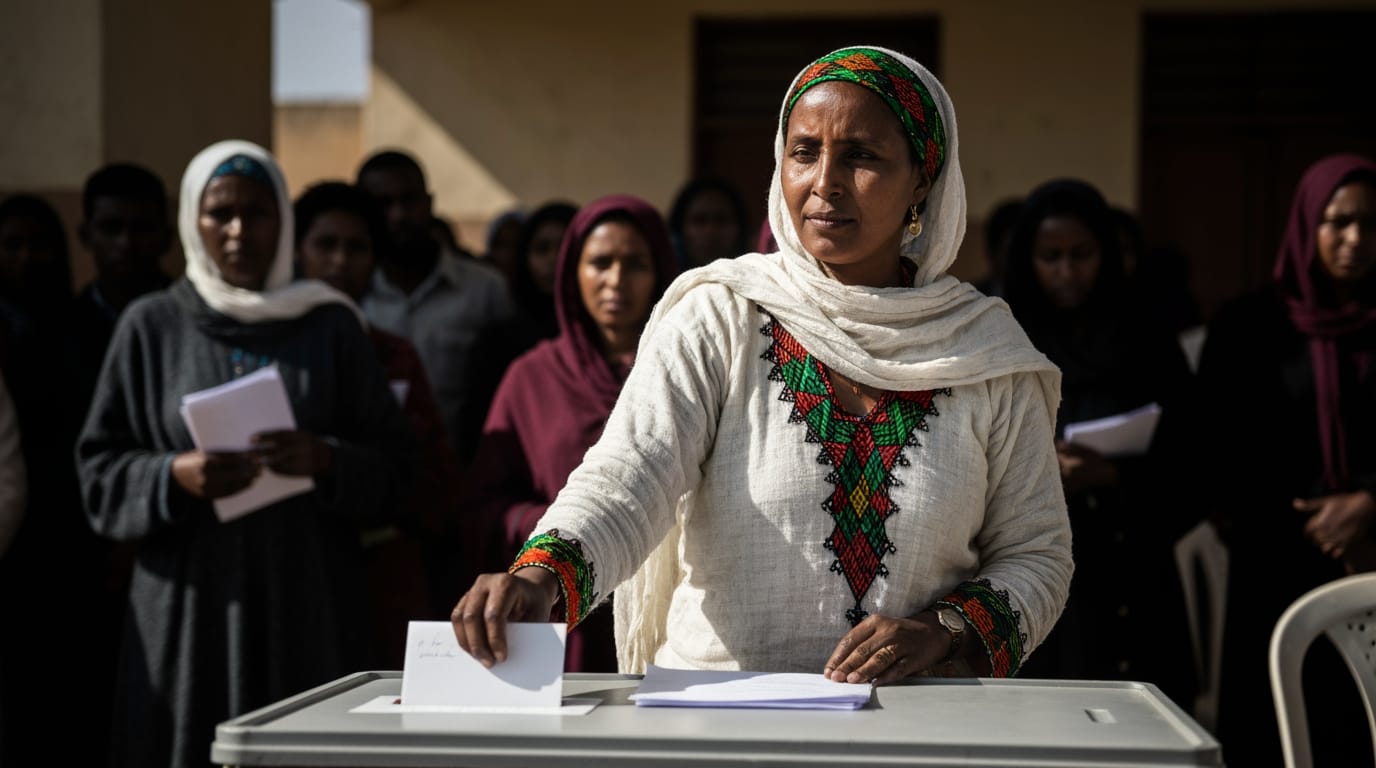
ADDIS ABABA, Ethiopia — Ethiopia, a nation at the strategic heart of the volatile Horn of Africa, is poised to hold its seventh general elections on June 1, 2026. This electoral exercise unfolds against a backdrop of complex internal conflicts, significant economic challenges, and intense geopolitical rivalries, making it a pivotal moment for the country's stability and the broader regional security landscape. The outcome of these polls is expected to redefine Ethiopia's political trajectory and influence the delicate balance of power in an area grappling with diverse foreign interests and enduring internal fragmentation.
A Shifting Electoral Landscape and Contested Reforms
Ethiopia's journey with formal elections dates back to the 1955 Revised Imperial Constitution, with a modern, multi-party framework introduced by the 1995 FDRE Constitution. Since then, the nation has witnessed several rounds of elections, often marked by criticism regarding political space and media freedom. The 2021 general election, conducted amidst the Tigray conflict, saw Prime Minister Abiy Ahmed's Prosperity Party secure a landslide victory, winning over 96% of the contested seats. However, this result was viewed by some observers as lacking full legitimacy due to the exclusion of major opposition groups, the arrest of key opposition figures, and ongoing conflict in parts of the country.
The upcoming 2026 elections represent the first major electoral test for the Prosperity Party, formed in 2019 from the dissolved Ethiopian People's Revolutionary Democratic Front (EPRDF) coalition. Prime Minister Abiy Ahmed, initially lauded for democratic reforms after taking power in 2018, has since faced accusations of reversing some of those gains, including detaining journalists and restricting civil society. A first-past-the-post electoral system in Ethiopia tends to strongly favor the incumbent party, making a repeat landslide victory for the Prosperity Party highly probable. The National Electoral Board of Ethiopia (NEBE) has released figures indicating significant participation with 47 registered political parties and nearly 11,000 candidates. However, opposition parties have voiced concerns over a shrinking political space, administrative hurdles, and allegations of intimidation, with some threatening to withdraw from the process. Voter registration efforts have also faced challenges, including reports of forced registration, leading to concerns about the voluntary nature of participation.
Internal Fault Lines and the Shadow of Conflict
The electoral environment in Ethiopia is deeply complicated by persistent internal conflicts and ethnic tensions. The devastating Tigray conflict, which formally ended in 2022, cost hundreds of thousands of lives and resulted in significant displacement. While a peace agreement was signed, governance disputes and tensions remain high in the region, leading to a continued lack of elections in Tigray. Beyond Tigray, widespread insurgencies and clashes continue in the Amhara and Oromia regions, involving federal forces, regional militias like Fano, and the Oromo Liberation Army. These conflicts have severely disrupted civilian life, limiting mobility, access to services, and basic conditions for political participation.
By mid-2025, an estimated 3.3 million people were internally displaced due to conflict and insecurity across Ethiopia. The ongoing instability directly impacts the feasibility and credibility of elections, with the NEBE announcing that voting would not take place in 46 electoral districts in conflict-affected areas of Amhara and Tigray. The country's ethnic federalism model, enshrined in its constitution, is often cited as a contributing factor to polarization and ongoing frictions between ethnically based separatist groups and federal authorities. The precarious security situation and fragmented political landscape pose significant obstacles to ensuring genuinely free, fair, and inclusive elections, with critics arguing that the polls risk legitimizing a system already under duress.
The Horn of Africa: A Geopolitical Chessboard
Ethiopia's internal dynamics are inextricably linked to the broader geopolitical landscape of the Horn of Africa, a region of immense strategic importance due to its location at the intersection of Africa, the Middle East, and vital international maritime trade routes. Ethiopia, as the largest and most populous country in the region and host to the African Union headquarters, serves as a central node in this complex interplay of interests. External powers, including the United States, China, the United Arab Emirates, Turkey, and even Egypt, maintain significant economic, military, and diplomatic engagements in the Horn. These engagements range from military bases and security partnerships to infrastructure investments and intelligence cooperation, shaping the strategic environment for regional states.
A key element of Ethiopia's foreign policy is its pursuit of sovereign access to the sea, a goal that has led to increased tensions with neighboring Eritrea and Djibouti, both of whom host crucial ports. Ethiopia's memorandum of understanding with Somaliland for maritime access has further complicated regional relations, potentially redrawing political maps and alliances. The Grand Ethiopian Renaissance Dam (GERD) on the Blue Nile River also remains a source of contention, particularly with Egypt, which views the project as a threat to its water security. This confluence of internal vulnerabilities and external pressures makes the Horn of Africa a highly militarized and volatile zone, where Ethiopia's internal stability directly impacts the regional balance.
Economic Pressures and Promises of Prosperity
Beyond the political and security challenges, Ethiopia's elections are taking place amid significant economic pressures. The government projects an economic growth rate exceeding 10% in 2026, one of the fastest in Africa, attributing this to Prime Minister Abiy's liberalization efforts that have boosted investment and export earnings. However, this optimistic outlook is tempered by the realities of high inflation, rising national debt, and fiscal constraints that have contributed to a soaring cost of living and public frustration. The cessation of the Northern Ethiopia Conflict has been instrumental in stabilizing the country's financial sector, but ongoing insecurity in other regions continues to deter foreign investors.
The Prosperity Party's campaign has heavily emphasized its economic record and promises of improved food security, a sensitive issue in a country with a history of famines. However, the protracted conflicts have led to severe humanitarian consequences, including millions displaced and disruptions to essential services, undermining the foundations for meaningful political and economic participation. The ability of the government to deliver on its economic promises and address the humanitarian needs will be crucial in shaping public sentiment and ensuring post-election stability.
International Scrutiny and the Path Ahead
The integrity of Ethiopia's 2026 elections is under close international observation. Both the African Union (AU) and the Intergovernmental Authority on Development (IGAD) have deployed election observation missions, invited by the Ethiopian government and the National Electoral Board. These missions, comprising observers from various African nations, civil society organizations, and electoral management bodies, will monitor the entire electoral process, from polling day procedures to ballot counting, guided by international democratic standards.
Despite the presence of international observers, concerns persist regarding the transparency and fairness of the process. Opposition groups and human rights organizations have highlighted a significant narrowing of civic space, limitations on media freedom, and ongoing human rights abuses, questioning the credibility of the elections in such an environment. Some analysts suggest that the elections are likely to be a formal exercise that entrenches the incumbent's power rather than fostering genuine democratic change. The outcome of these elections will undoubtedly shape Ethiopia's future, influencing the trajectory of its democratic development and its capacity to manage internal divisions while navigating the complex geopolitical currents of the Horn of Africa. The challenge remains for Ethiopia to demonstrate that its electoral processes can genuinely reflect the will of its diverse populace and contribute to lasting peace and stability in a region that desperately needs both.


