Iran's Internet Rekindles, But Digital Shackles Persist After Prolonged Blackout
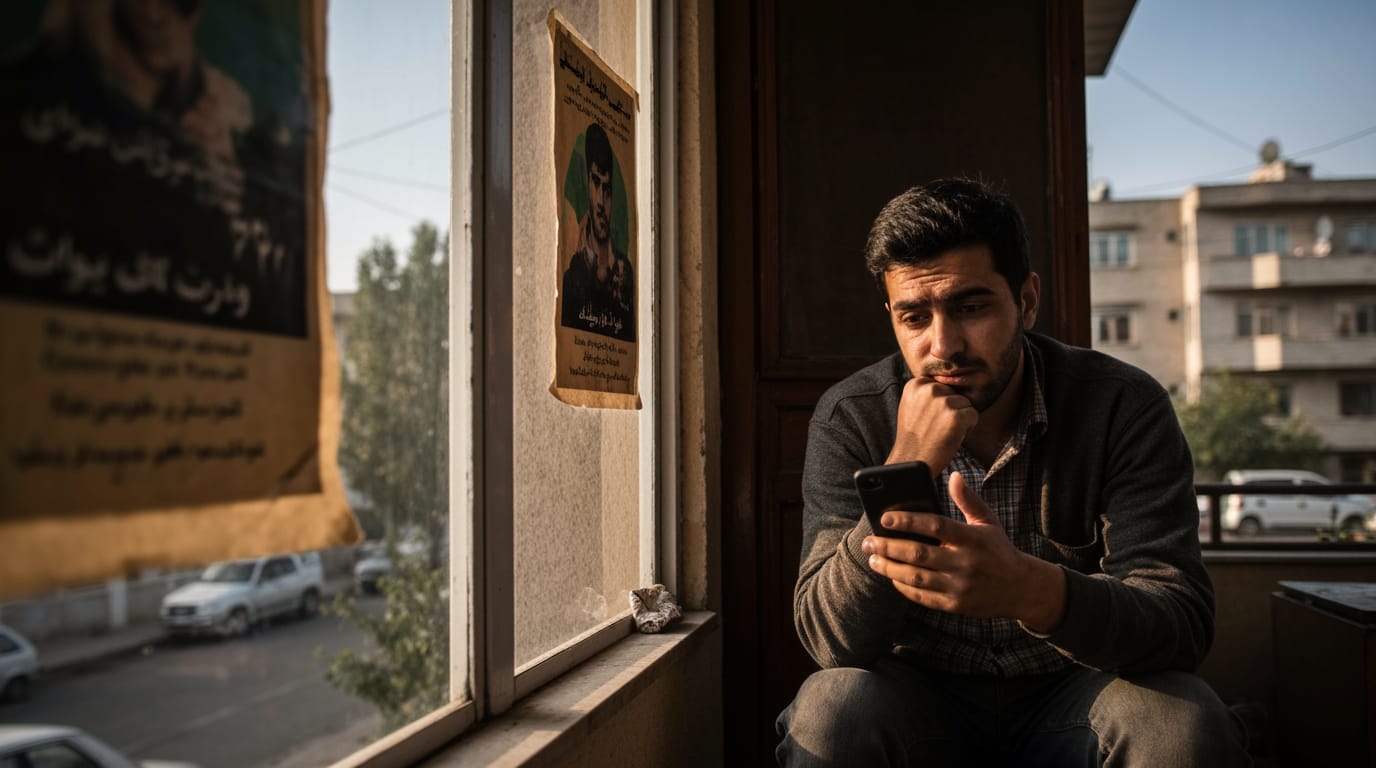
TEHRAN – After months of unprecedented digital isolation, internet access is gradually being restored across Iran, bringing a measure of relief to a nation profoundly impacted by the severe and prolonged blackout. However, this return to connectivity is far from a full reopening, as long-standing governmental restrictions and an intensified push for a "national internet" continue to dictate the digital landscape, leaving citizens navigating a highly censored and controlled online environment. The restoration follows an 88-day near-total shutdown that crippled businesses, stifled communication, and deepened public frustration amid a backdrop of protests and economic hardship, underscoring a persistent state strategy to manage information flow.
The Long Silence: Unprecedented Blackout Grips Nation
The latest and most extensive internet blackout in Iran began in early 2026, plunging the country into a digital darkness that lasted for approximately 88 days, setting a new record for severity and duration in a digitally connected society. The shutdown, which commenced around January 8, saw connectivity levels plummet to near zero, effectively isolating a population of 92 million from the global internet. This drastic measure coincided with widespread protests and heightened geopolitical tensions, leading many to believe it was a deliberate tactic to curb dissent and control narratives. Reports indicated that the government aimed to suppress the spread of protest-related information and prevent coordination among demonstrators, a tactic previously observed in the November 2019 unrest. Beyond traditional blocking, the recent blackout exhibited advanced technical complexity, including the jamming of satellite signals and a crackdown on tools like Starlink satellite dishes, further disrupting previously vital communication avenues. During this period, only a limited "national intranet," known as the National Information Network (NIN), remained partially accessible, allowing for some domestic services but cutting off international communication and access to global platforms.
A Gradual, Restricted Return to Connectivity
The decision to restore internet access was approved in late May 2026, with Iranian President Masoud Pezeshkian reportedly ordering the return of connectivity. Monitoring organizations like NetBlocks reported a gradual increase in connectivity, reaching levels of 34% and later 86% of normal in the days following the announcement. However, this phased return immediately came with significant caveats. The government's long-standing policy of internet censorship remains firmly in place, with millions of websites and popular social media platforms like YouTube, Twitter, Facebook, Instagram, and Telegram still blocked. Access to international platforms continues to be heavily restricted, and authorities are reportedly advancing plans for a "tiered system of access" or "Internet Pro," a more limited and controlled version of the internet restricted to certain authorized groups. The use of Virtual Private Networks (VPNs), a common tool for Iranians to bypass censorship, is increasingly targeted, making it harder for citizens to access unfiltered global content. This controlled restoration signals an ongoing effort by Iranian authorities to shape a digital environment where information flow is tightly managed, prioritizing domestic platforms and services over open international access.
Devastating Economic and Social Toll
The economic repercussions of the prolonged internet blackout have been severe, compounding existing challenges in an economy already battered by sanctions and inflation. Estimates from various sources indicate daily losses ranging from $35 million to $80 million, with the total economic damage since the start of the recent conflict reaching an estimated $1.5 billion. Small businesses, startups, and individuals reliant on online commerce and international communication bore the brunt of the shutdown. Many e-commerce retailers, freelance service providers, and home-based businesses, particularly those run by women, saw their incomes evaporate as they were cut off from customers and global markets. Businesses whose websites were hosted abroad lost access to essential backend systems and data, forcing many to consider bankruptcy or significant layoffs. The digital economy, which accounts for an estimated 5% to 6% of Iran's GDP, experienced a catastrophic hit, with 80% of companies reporting sales drops of over 50%. Beyond the financial impact, the blackout caused widespread social and psychological distress. Iranians were unable to communicate with family members abroad, access critical information, or participate in global discourse, leading to feelings of isolation and anxiety. Healthcare services, financial transactions, and educational opportunities were also significantly disrupted, highlighting the internet's integral role in daily life.
A Pattern of Digital Control and "Filternet"
Iran has a well-documented history of internet censorship and control, with the 2019 nationwide internet blackout serving as a stark precedent for the recent events. In November 2019, a week-long shutdown, also ordered by the Supreme National Security Council, was implemented to suppress protests against fuel price increases. During that time, only the National Information Network (NIN) remained functional, limiting citizens to a domestic intranet. Experts describe Iran's internet architecture as uniquely structured to allow for such extensive control. The government's long-term strategy involves promoting concepts like a "national," "halal," or "clean" internet, often referred to by users as the "filternet" due to the extensive blocking and filtering. The Supreme Council of Cyberspace and the Internet Filtering Committee play key roles in deciding which websites are censored and implementing broad restrictions. This consistent approach to digital sovereignty and content control reflects a broader governmental effort to manage public discourse and maintain internal stability by limiting access to independent and foreign information sources.
Enduring Challenges for Digital Freedom
While the recent restoration of internet access offers a glimmer of reconnection for Iranians, it underscores the persistent reality of a digitally constrained environment. The experience of the past months, and indeed years, has solidified the government's capacity and willingness to impose widespread digital blackouts as a tool of state control. The continued emphasis on a national intranet and the targeting of circumvention tools suggest that future access will remain heavily curated. For millions of Iranians, the internet is not merely a convenience but a lifeline for economic opportunity, education, and connection to the wider world. The ongoing struggle between state control and the demand for open access continues to shape the daily lives and future prospects of Iranian citizens in an increasingly digitized world.


