EU Parliament Demands Ambitious Budget Hike and New Taxes for 2028-2034 Spending Cycle
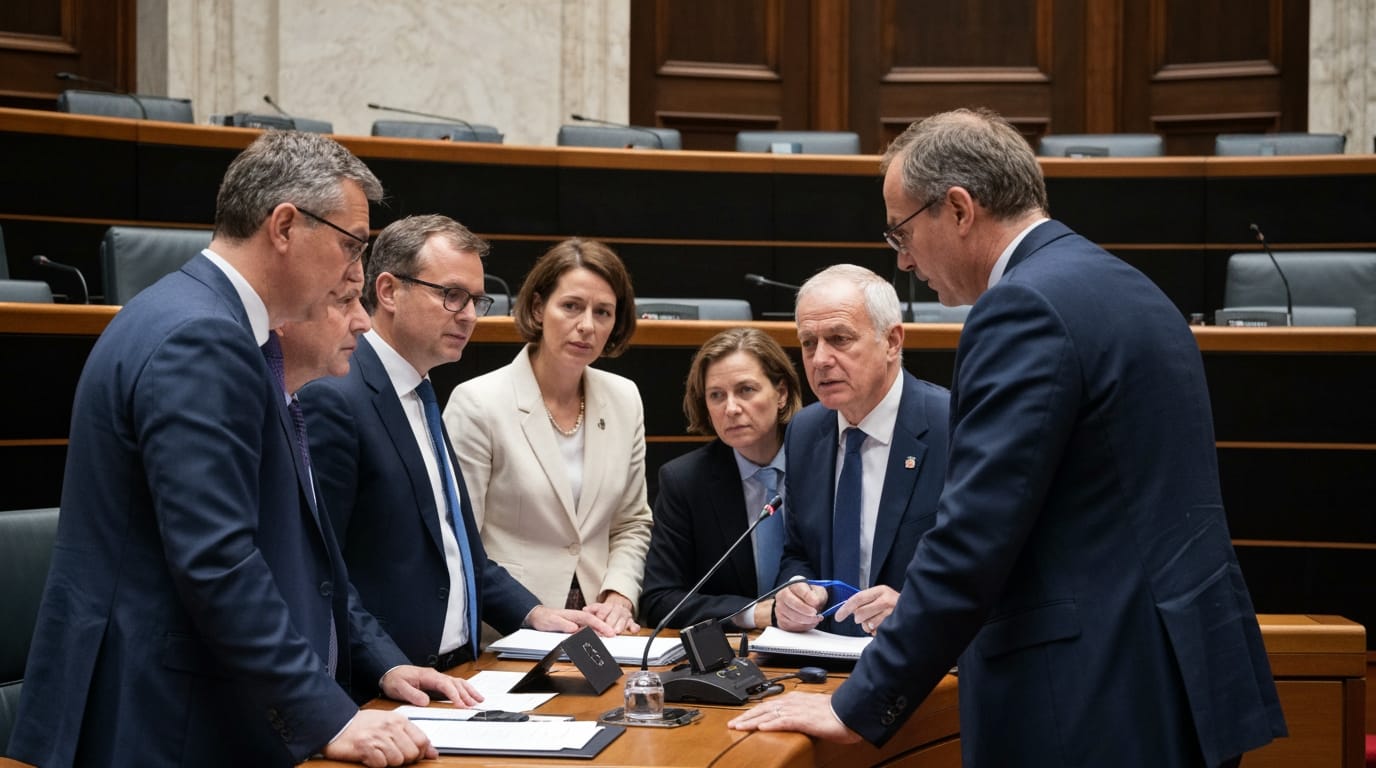
STRASBOURG – The European Parliament has fired the opening salvo in what promises to be a contentious battle over the European Union's next long-term budget, overwhelmingly endorsing a proposal for a significantly larger financial framework and calling for the introduction of new, EU-wide taxes. With a clear mandate, MEPs are pushing for a budget that goes beyond the European Commission's initial suggestions, aiming to bolster the bloc's capacity to address pressing challenges from defense and climate change to economic competitiveness.
In a vote held on April 28, MEPs adopted their negotiating position for the 2028-2034 Multiannual Financial Framework (MFF), advocating for a total budget of approximately €2.01 trillion in current prices. This figure represents an increase of roughly 10 percent over the European Commission's proposal of €1.8 trillion, signaling Parliament's intent to secure robust funding for the EU's strategic objectives over the coming seven years. The vote saw 370 members in favour, 201 against, and 84 abstentions, setting a firm stance ahead of intricate negotiations with the EU Council and the Commission.
Parliament's Call for Increased Investment
The European Parliament's ambitious proposal reflects a conviction that the EU cannot effectively tackle new and existing crises with what it terms an "old budget." Parliament President Roberta Metsola underscored the need for generational responsibility, asserting that future generations should not bear the burden of past commitments. MEPs argue that a larger budget is indispensable to confronting a complex landscape of geopolitical tensions, economic pressures, climate change, and a widening competitiveness gap.
The proposed increase would see the expenditure ceiling rise to 1.27% of the EU's Gross National Income (GNI). Crucially, Parliament also demands that the repayment costs for the NextGenerationEU (NGEU) recovery fund, equivalent to 0.11% of GNI, be kept entirely outside this ceiling. This move aims to allow for additional spending without impacting the formal budget cap, freeing up funds for new priorities. The NGEU debt repayment is slated to begin in 2028, adding another layer of financial complexity to the upcoming MFF.
The Parliament’s vision for the expanded budget prioritizes a wide array of policy areas. Lawmakers seek increased allocations for defense, competitiveness, innovation, the green transition, and digitalization. Additionally, MEPs are calling for more support for EU enlargement, aid to Ukraine, and humanitarian assistance. Key flagship programs such as Horizon Europe, Erasmus+, the Connecting Europe Facility, and various climate action initiatives are also slated for enhanced funding. Simultaneously, Parliament remains committed to safeguarding funding for traditional EU policies, including the Common Agricultural Policy, cohesion funds, fisheries, and the European Social Fund, rejecting any "à la carte" approach to funding that could undermine solidarity or transparency.
The Drive for New Own Resources
A central pillar of the Parliament's strategy to finance this augmented budget is the introduction of new EU-level "own resources," or taxes. These new revenue streams are projected to generate approximately €60 billion annually, with the primary objectives of repaying the NextGenerationEU debt and reducing the reliance on direct national contributions from member states. This push for autonomous funding is seen as vital to ensuring a predictable and sustainable financial basis for the Union's long-term ambitions.
Several potential sources for these new own resources have been put forward as part of a "basket approach." These include levies on digital services, targeting large technology companies, and a financial transaction tax. Revenues from the Carbon Border Adjustment Mechanism (CBAM) and the EU Emissions Trading System (ETS) are also envisioned as significant contributors, with 75% of CBAM revenues and 30% of ETS revenues directed to the EU budget. Further proposals include an online gambling levy, a capital gains tax on crypto assets, an e-waste levy (€2 per kilogram of non-collected e-waste), and a tobacco excise duty own resource. Another notable proposal is the Corporate Resource for Europe (CORE), which would entail an annual lump-sum contribution from companies based in the EU with an annual net turnover exceeding €100 million, potentially generating around €6.8 billion annually.
Navigating the Political Minefield
The Parliament's robust position sets the stage for what are anticipated to be arduous negotiations with the European Council, composed of member state governments. While the Parliament is keen to finalize the budget by the end of the year, past MFF negotiations have typically been lengthy and complex, sometimes extending over two years.
Significant resistance is expected from several "frugal" net-contributor countries, notably Germany, the Netherlands, Austria, Denmark, and Sweden. These nations have historically expressed reluctance to increase their contributions to the EU budget and have voiced concerns about the potential for higher financial burdens on their national treasuries and taxpayers. Some critics from these states view the Parliament's demands for increased spending across the board as fiscally irresponsible, particularly at a time when many face their own domestic budgetary pressures. The introduction of new EU-level taxes is also likely to encounter opposition, not only from some member states but potentially from external partners.
The process for adopting new own resources is particularly challenging, requiring unanimous approval from all member states in the Council and subsequent ratification by national parliaments. This requirement for unanimity grants individual member states considerable leverage in the upcoming discussions. The European Commission, which tabled its initial MFF proposal in July 2025, will play a mediating role between the Parliament's ambitions and the Council's more conservative fiscal stances.
Conclusion: A Defining Moment for EU Finances
The European Parliament's assertive stance on the 2028-2034 MFF and the introduction of new own resources marks a critical juncture for the financial future of the European Union. By demanding a larger budget and a diversified revenue stream, MEPs aim to equip the bloc with the necessary tools to address current and future challenges effectively. However, the road ahead is fraught with potential disagreements, as member states weigh national fiscal constraints against the collective strategic objectives of the Union. The upcoming negotiations will not only shape the EU's spending priorities for the next seven years but could also fundamentally alter the way Europe finances its ambitions and responds to the evolving global landscape.


