EU Pledges €1.6 Billion to Palestinian Authority Amid Reform Demands
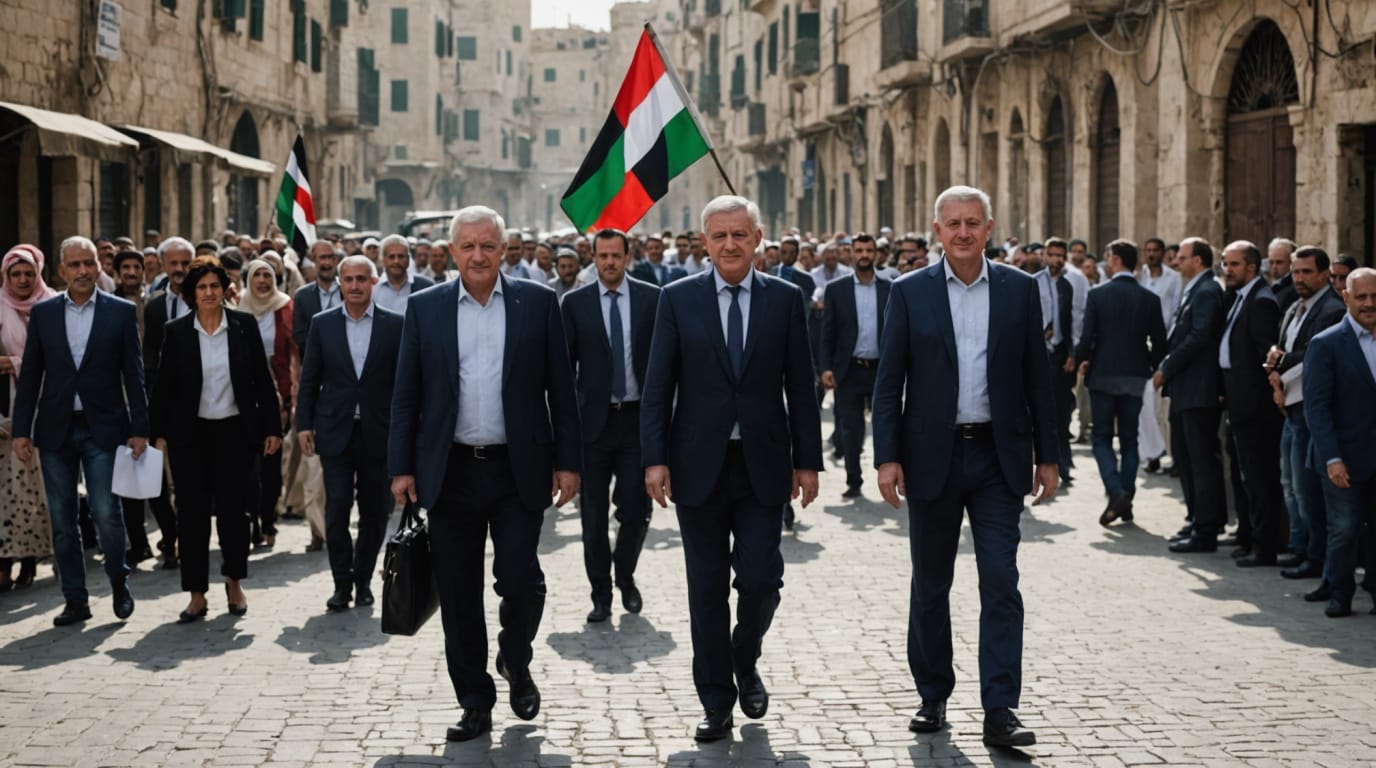
The European Union is set to significantly increase its financial support to the Palestinian Authority (PA) with a comprehensive three-year aid package totaling approximately €1.6 billion ($1.8 billion). The pledge comes as the EU seeks to play a more prominent role in Middle East diplomacy, linking the aid to governance reforms within the PA, which has faced longstanding criticism regarding corruption and inefficiency.
Conditions for Aid
The EU's commitment is not without conditions. Dubravka Suica, the European Commissioner for the Mediterranean, emphasized that the financial support is closely tied to the implementation of reforms within the PA. "We want them to reform themselves because without reforming, they won't be strong enough and credible… not only for us, but also as an interlocutor for Israel," Suica said. This conditionality reflects the EU's desire to see a more transparent and effective Palestinian government.
Breakdown of the Package
The €1.6 billion package is divided into three main components:
- €620 million: Dedicated to financial support and institutional reform of the PA. This portion aims to bolster the PA's ability to govern effectively and address issues of corruption.
- €576 million: Allocated for resilience and recovery in the West Bank and Gaza. This funding is intended to support the Palestinian population in these areas, which have been affected by conflict and economic hardship.
- €400 million: To be provided in loans from the European Investment Bank, pending board approval. These loans are expected to support infrastructure projects and economic development.
EU's Role as a Major Donor
The EU has long been a major donor to the Palestinians, with average annual support for the PA reaching around €400 million over the past 12 years. The new commitment nearly triples that figure, signaling a significant increase in the EU's financial engagement. The EU hopes that the PA may one day assume responsibility for Gaza following the ongoing Israel-Hamas conflict.
Political Complexities
Despite the EU's efforts, the political landscape remains complex. Israeli Prime Minister Benjamin Netanyahu's government has so far rejected proposals for the PA to take control of Gaza. Netanyahu's government also continues to oppose the EU-backed vision of a two-state solution, which envisions a sovereign Palestinian state alongside Israel.
High-Level Dialogue
The announcement of the aid package comes ahead of the EU's first high-level political dialogue with Palestinian officials, including Prime Minister Mohammad Mustafa, in Luxembourg. The talks signal a renewed European push to play a greater role in Middle East diplomacy. The meeting, jointly chaired by EU foreign policy chief Kaja Kallas and P.A. Prime Minister Mohammad Mustafa, is expected to focus on governance reform and reinforcing the P.A.'s role in the region.
PA's Reform Efforts
Mustafa, who was appointed in March 2024 by P.A. chief Mahmoud Abbas, has pledged to pursue reform measures and work toward organizing the first national elections since 2006. However, he has not provided a timeline, citing the volatile situation in Gaza, Judea and Samaria, and eastern Jerusalem as a major hindrance.
Controversial Issues
One controversial issue is the PA's continuation of its so-called “pay-for-slay” policy—monthly stipends provided to Palestinian terrorists imprisoned in Israel and to the families of terrorists killed in attacks. Despite international condemnation, Abbas reiterated in February that the program would continue, stating that even if only “a single penny” remained, it would be allocated to prisoners and martyrs.
Implications and Future Outlook
The EU's increased financial support for the Palestinian Authority represents a significant investment in the region's stability. However, the success of this initiative hinges on the PA's ability to implement meaningful reforms and address concerns about corruption and governance. The EU's conditionality underscores its commitment to ensuring that the funds are used effectively and transparently.
The EU's renewed engagement also comes at a critical time, as the Israeli-Palestinian conflict continues to pose a major challenge to regional peace and security. The EU hopes that a reformed and strengthened PA can play a constructive role in resolving the conflict and building a more stable future for the region. However, significant obstacles remain, including the ongoing political divisions and the lack of progress towards a two-state solution. The EU's efforts to promote dialogue and cooperation between Israelis and Palestinians will be crucial in overcoming these challenges.


