Europe Grapples with "Solar Sabotage" Fears Amidst Green Energy Boom
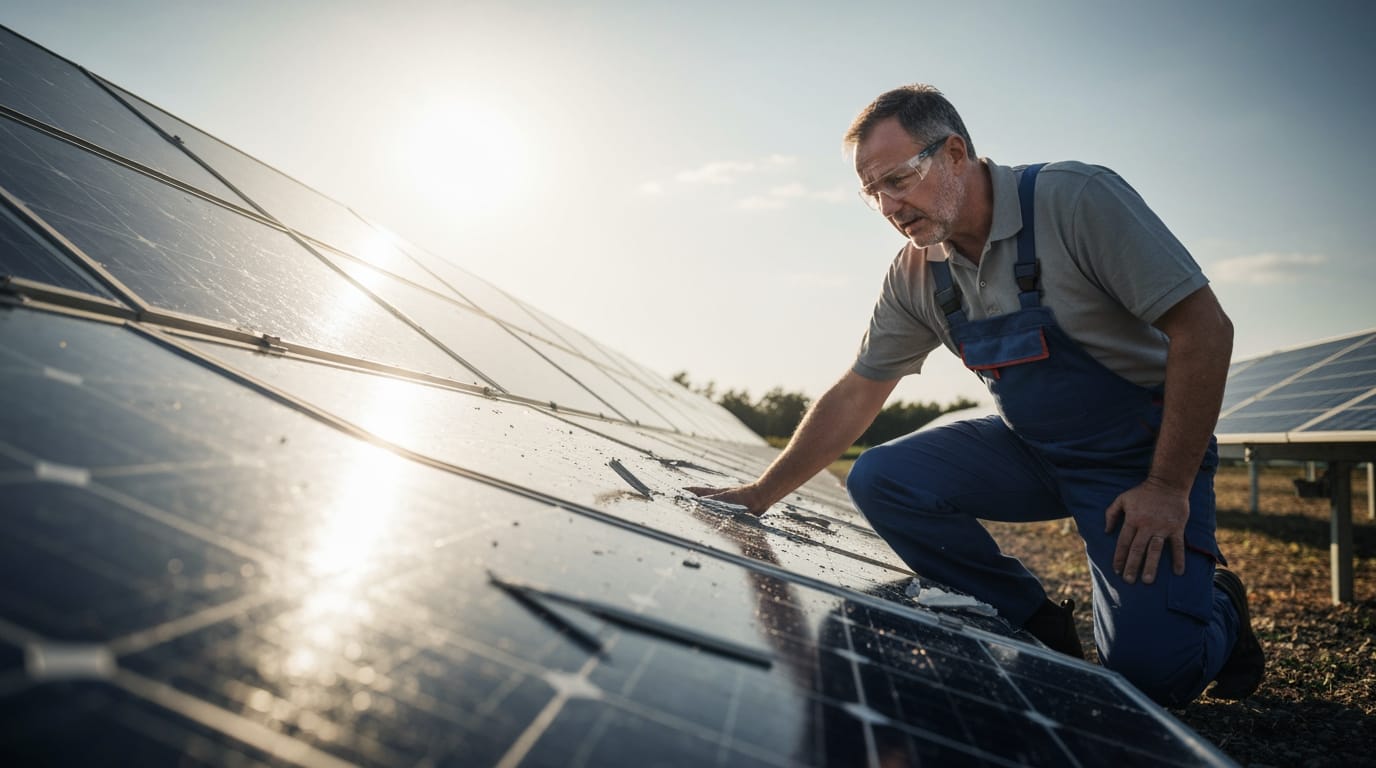
As Europe accelerates its ambitious transition to renewable energy, with solar power at the forefront of its decarbonization strategy, a critical new vulnerability has emerged: the potential for "solar sabotage." The continent's heavy reliance on foreign-made solar technology, particularly from China, is raising serious national security concerns, prompting calls for urgent action to diversify supply chains and fortify cyber defenses against potential disruptions to the nascent green grid.
The Dual Edge of Green Ambition
Europe has positioned solar energy as a cornerstone of its energy independence and climate goals, aiming to significantly reduce its reliance on fossil fuel imports and achieve a 42.5% renewable energy target by 2030. The European Union plans to nearly triple its solar capacity by the end of the decade, projecting solar energy to comprise between 17% and 23% of its electricity mix. This rapid expansion is seen as vital for shielding citizens from volatile energy prices and securing a stable power supply. However, this ambitious drive toward green energy independence inadvertently creates a new form of strategic vulnerability, as Europe finds itself deeply dependent on external suppliers for key solar components.
The Shadow of Supply Chain Dominance
The core of Europe's concern lies in the overwhelming dominance of China across the global solar photovoltaic (PV) supply chain. Reports indicate that China supplies as much as 98% of Europe's solar panels, a figure that has risen from 68% a decade ago. Furthermore, between 61% and 80% of the inverters, which are critical components that convert solar energy into usable electricity and connect to the grid, are sourced from China. China's control extends beyond finished products, encompassing over 80% of the global solar value chain and an astonishing 97% of polysilicon wafer production, an essential upstream material.
This concentrated supply chain presents a significant geopolitical risk. Experts warn that Europe is "sleepwalking" into a series of economic and national security problems due to this over-reliance on Chinese green technology. Potential threats include deliberate supply chain disruptions, where China could restrict the export of low-carbon technology or components. Such actions, whether intentional or due to unforeseen events, could inflict long-term economic harm by eroding Europe's industrial competitiveness. The defence sector, too, relies on many of the same components and manufacturing techniques as green technology, potentially increasing its dependence on China.
Inverters as the Achilles' Heel: Cybersecurity Threats
Beyond the physical supply chain, a more insidious threat emerges from the digital nature of modern solar infrastructure: cybersecurity vulnerabilities, particularly within inverters. These devices are the "brains" of solar systems, connecting panels to the electricity grid and often incorporating remote access capabilities. Cybersecurity and geo-strategy experts have highlighted the risk of "kill switches" or undocumented hardware (backdoors) within these inverters, which could allow remote disabling of solar installations or even entire grid sections.
While a large-scale, intentional disruption by a state actor is considered unlikely unless in a state of war, the possibility of smaller, disruptive attacks or the use of such vulnerabilities for geopolitical leverage is a serious concern. Incidents affecting power generation, data integrity, and plant availability have demonstrated that solar assets can become entry points into wider energy systems. Malware infections, unauthorized remote access to SCADA systems, and supply chain risks related to compromised software or hardware are common cyber threats. Reports have even surfaced of communication devices being found in Chinese inverters that could bypass firewalls and destabilize networks. A hypothetical scenario described by experts envisions a coordinated disconnection of thousands of small-scale solar installations, leading to blackouts and widespread economic disruption.
Europe's Shield: Building Resilience and Diversification
Recognizing these multifaceted risks, the European Union and its member states are beginning to implement strategies to bolster the security and resilience of their solar energy sector. The European Solar Charter and the Net-Zero Industry Act (NZIA) aim to support domestic solar PV manufacturing, diversify supply sources, and meet up to 40% of the EU's annual deployment needs by 2030.
In terms of cybersecurity, the EU is strengthening its regulatory framework through initiatives like the NIS2 Directive and the Cyber Resilience Act. These measures expand cybersecurity obligations for critical entities, including electricity generation facilities, and require the implementation of risk management measures and incident reporting. Critically, the European Commission is moving to restrict funding for renewable energy projects that utilize inverters from "high-risk" suppliers, particularly those from China. This action follows assessments that confirmed threats such as manipulation of electricity production parameters, disruption of generation, and unauthorized access to operational data. Some member states, including Poland, Estonia, and Lithuania, are already taking steps to limit the use of certain hardware in their smart grid systems.
However, these measures have drawn criticism. The China Chamber of Commerce to the EU (CCCEU) has rejected accusations of security risks, arguing that Chinese manufacturers have significantly contributed to Europe's energy transition through reliable and competitive technologies. The CCCEU warns that excluding Chinese enterprises would reduce market competition, increase electricity costs for consumers, and potentially hinder the green transition.
Navigating the New Energy Frontier
Europe's journey toward a green energy future is proving to be more complex than simply installing panels and turbines. The ambition to achieve energy independence from fossil fuels has inadvertently created new dependencies and vulnerabilities within the digital and physical infrastructure of renewable energy systems. The specter of "solar sabotage," whether through cyberattacks on critical components like inverters or geopolitical leverage over supply chains, demands a robust and proactive response.
To secure its energy future, Europe must continue to pursue a comprehensive strategy that prioritizes diversification of its solar supply chain, invests heavily in domestic manufacturing capacity, and establishes stringent cybersecurity standards for all components integrated into its energy grid. The challenge is not merely about transitioning to clean energy, but about ensuring strategic autonomy and resilience in an increasingly interconnected and volatile global landscape. This requires a delicate balance between fostering a competitive market and safeguarding national security, ultimately redefining the very concept of energy independence in the 21st century.