Europe Mobilizes for Hormuz Security Amid Escalating Regional Tensions
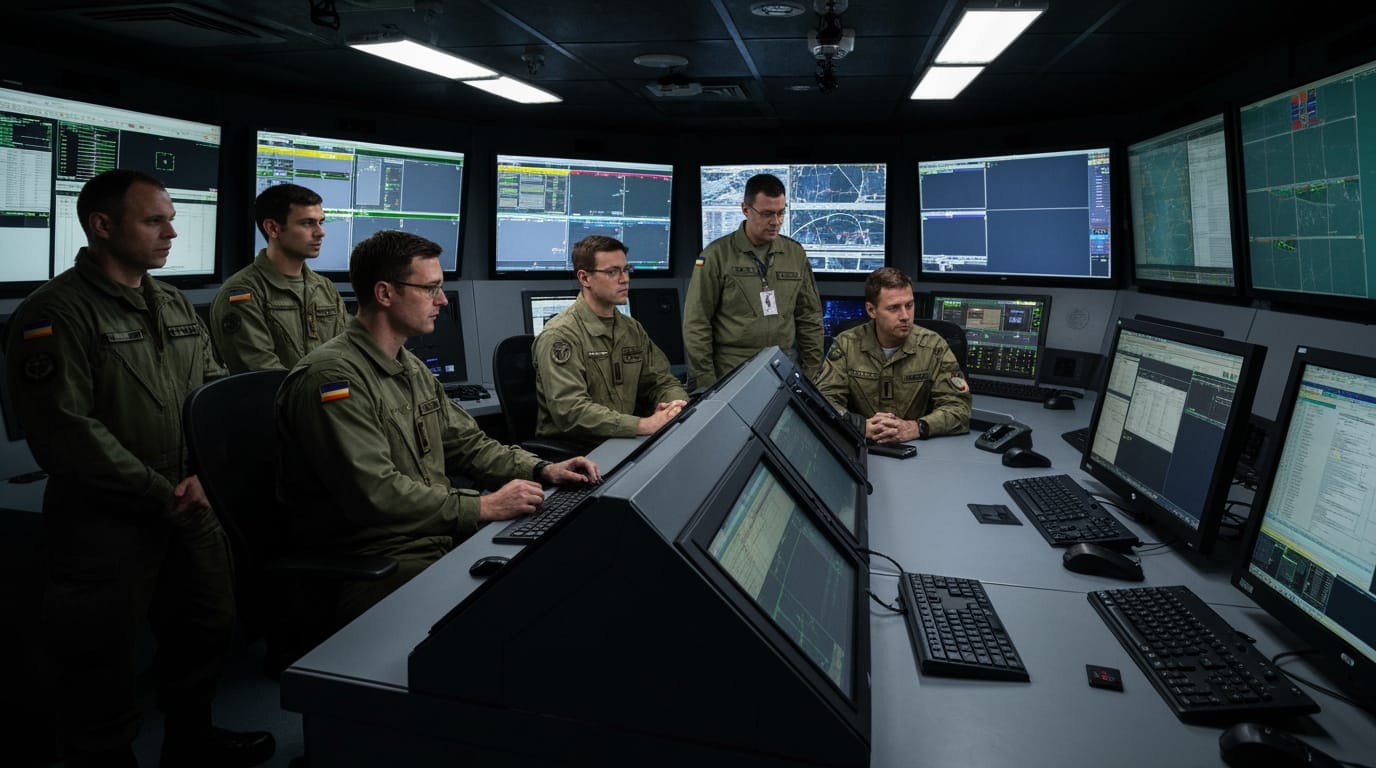
PARIS, France – European powers are urgently consolidating plans for a multi-faceted approach to securing the Strait of Hormuz, a critical maritime chokepoint vital for global energy supplies, following recent disruptions and heightened regional instability. Led by France and the United Kingdom, a new diplomatic initiative aims to establish a framework for restoring and guaranteeing freedom of navigation in the strategic waterway, with discussions primarily focused on a post-conflict scenario. This push comes as the continent grapples with the economic fallout of restricted passage, including a looming jet fuel crisis and soaring energy costs, underscoring Europe's profound dependence on the strait's unimpeded flow.
A Lifeline Under Threat: The Strategic Importance of Hormuz
The Strait of Hormuz, connecting the Persian Gulf to the open ocean, stands as one of the world's most strategically important maritime passages. Annually, an estimated 20% of the world's liquefied natural gas and 25% of seaborne oil trade traverses this narrow channel. In 2018, approximately 21 million barrels of oil per day, equating to 21% of global petroleum liquids consumption, passed through the strait. This makes the waterway a critical source of petroleum products for both Europe and Asia, rendering its security paramount for global economic stability. Recent hostilities involving Iran, the United States, and Israel have led to significant restrictions and closures, triggering immediate economic and security implications for Europe. Disruptions have already caused a surge in jet fuel prices, threatening Europe's aviation sector with potential rationing and cancellations.
EMASoH and Operation AGENOR: Europe's Existing Presence
Europe's commitment to maritime security in the region is not new. In response to a deteriorating security situation in 2019, which saw attacks on commercial shipping and the seizure of vessels, the French-led European Maritime Awareness in the Strait of Hormuz (EMASoH) initiative was launched in January 2020. Its military component, Operation AGENOR, became fully operational by February 2020. EMASoH, while not an EU-initiated mission, involves nine European nations including Belgium, Denmark, France, Greece, Italy, the Netherlands, Norway (whose participation ended in January 2025), Portugal, and Germany, which provides political support. Headquartered at the French naval base in Abu Dhabi, EMASoH's primary goals are to protect maritime flows, ensure freedom of navigation, enhance situational awareness, and contribute to de-escalation through both diplomatic and military presence. Operation AGENOR typically deploys two ships and a maritime surveillance aircraft, consistently monitoring the Strait of Hormuz, the Arabian Sea, the Persian Gulf, and the Gulf of Oman. Over the past three years, AGENOR has recorded more than 2,000 flight hours, spent 1,070 days at sea, and reassured over 1,600 ships.
A "Third Way" for Post-Conflict Stability
In a significant diplomatic push, French President Emmanuel Macron and British Prime Minister Keir Starmer recently co-chaired a high-level meeting in Paris, joined by German Chancellor Friedrich Merz and Italian Prime Minister Giorgia Meloni, to discuss plans for securing the Strait of Hormuz once current hostilities cease. Over 30 nations participated in the virtual conference, signaling broad international concern for the waterway's stability. This proposed "third way" approach aims to establish a "strictly defensive" multinational maritime mission, distinct from any direct military involvement in the ongoing conflict. The initiative seeks to prepare the groundwork for post-war stabilization and guarantee the safe passage of commercial vessels in adherence to international maritime law. Notably, this planning phase currently excludes both the United States and Iran, highlighting a European effort to demonstrate strategic autonomy in managing crises with global implications. European diplomats acknowledge, however, that any viable long-term solution will ultimately necessitate coordination with both parties.
Expanding Missions and Addressing New Threats
Beyond EMASoH, European nations are exploring additional measures to bolster maritime security. Italian Defense Minister Guido Crosetto has advocated for expanding the European Union's Operation Aspides – an existing naval mission in the Red Sea established in 2024 to counter Houthi attacks – to include the Strait of Hormuz. This expansion, however, is contingent on an end to hostilities in the region. Italy has also indicated its readiness to participate in mine-clearing operations in the strait once the conflict subsides, emphasizing the need for a coordinated multilateral effort.
Operational challenges in the Strait of Hormuz remain significant. The waterway's narrowness, coupled with a high concentration of international naval presence, increases the potential for miscalculations and incidents. Furthermore, Iran's demonstrated capacity for asymmetric tactics, including the use of fast boats in swarms to seize commercial vessels, presents a complex threat landscape that requires sophisticated defensive strategies.
Conclusion: Navigating a Complex Future
Europe's multifaceted strategy for the Strait of Hormuz reflects its critical economic interests and a growing resolve to assert its role in global maritime security. From the established EMASoH mission to the ambitious post-conflict stabilization plans and the potential expansion of Operation Aspides, European nations are working to ensure the freedom of navigation through this indispensable waterway. While immediate challenges persist and the effectiveness of a purely post-conflict mission without direct engagement from all regional powers remains a subject of expert debate, the concerted diplomatic and military efforts underscore Europe's unwavering commitment to safeguarding a global lifeline. The unfolding situation will test Europe's ability to balance its strategic interests with its desire for regional de-escalation and a stable, rules-based international order.


