Germany Unveils Historic Military Strategy: A New Era for the Bundeswehr
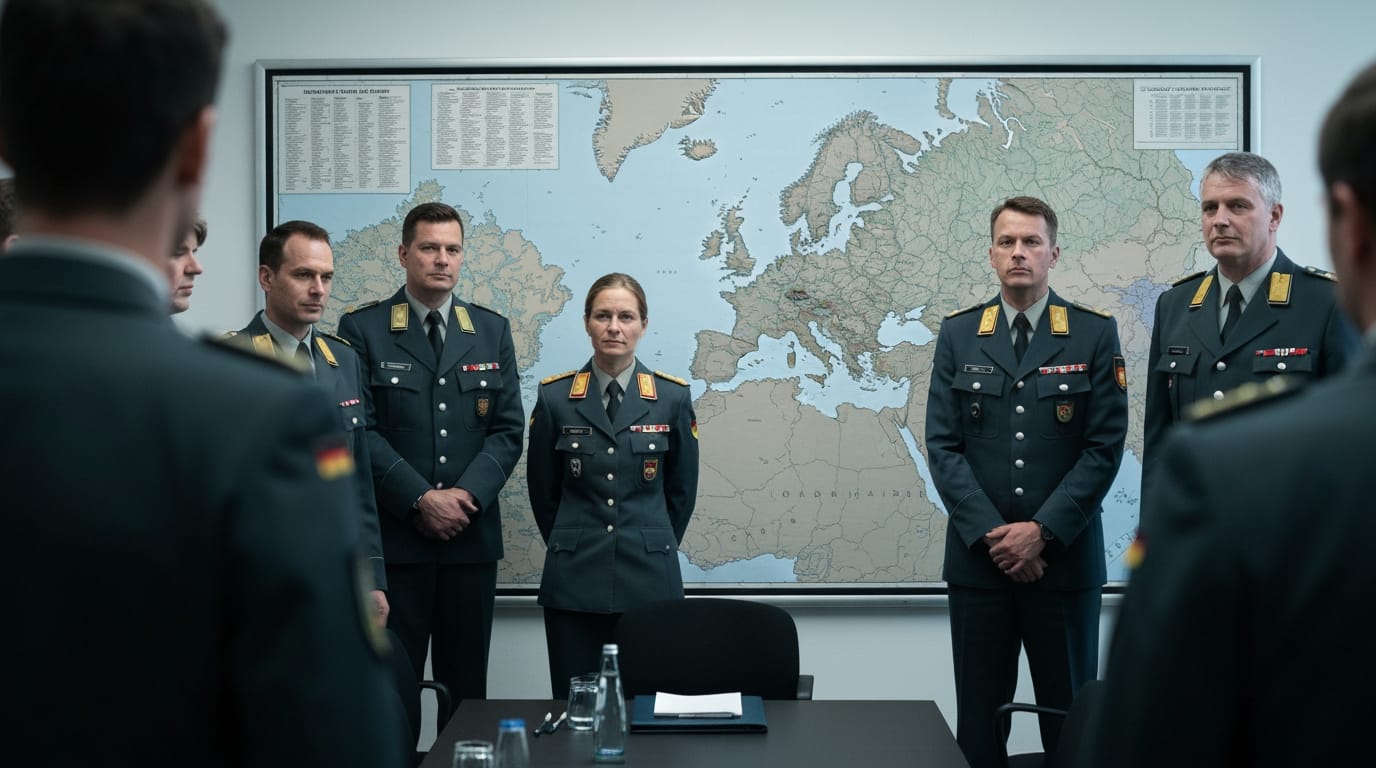
Berlin, Germany – In a landmark shift for European security, Germany has unveiled its first-ever comprehensive military strategy, signaling a profound reorientation of its defense policy. Defense Minister Boris Pistorius presented the ambitious plan, titled "Verantwortung für Europa" (Responsibility for Europe), on April 22, 2026, outlining a strategic vision to transform the Bundeswehr into Europe's strongest conventional fighting force by 2039. The strategy explicitly identifies Russia as the primary and most immediate threat to peace and security in Germany and the Euro-Atlantic region. This historic move marks a decisive break from decades of post-Cold War defense posture, propelled by the stark realities of an altered geopolitical landscape.
A Paradigm Shift: "War-Capable" Bundeswehr Emerges
The newly adopted military strategy represents a foundational overhaul of Germany's approach to national and collective defense. For the first time since World War II, Germany has articulated an overarching defense doctrine designed to address contemporary security challenges. At its core, the strategy aims to make the Bundeswehr "war-capable," a term that underscores a renewed emphasis on deterrence and defense against high-intensity conflict. Minister Pistorius emphasized that the strategic documents, though subject to ongoing revision, will guide the Bundeswehr's development for the next two decades.
A key doctrinal shift outlined in the strategy is the adoption of a "one theater approach." This perspective views NATO territory, the Middle East, and the Indo-Pacific as interconnected security spaces, moving away from treating them as discrete operational areas. This integrated view reflects an understanding that security challenges are increasingly global and require a more cohesive response. The accompanying capability profile also departs from rigid hardware quotas, such as a fixed number of tanks or aircraft. Instead, it prioritizes an effects-based planning model, focusing on what the Bundeswehr must be able to achieve. Priority areas include deep precision strike capabilities, advanced air defense systems against hypersonic missiles, and enhanced drone capabilities, areas where Germany is largely starting from scratch.
Geopolitical Imperatives: Russia as the Central Threat
The impetus for this dramatic strategic pivot is directly linked to Russia's ongoing aggression in Ukraine and the escalating security environment in Europe. The strategy document unequivocally states that "Russia is creating the conditions for a war against NATO and is already conducting hybrid operations against the Alliance's member states." It warns that the pace of Russia's rearmament could lead to a confrontation with NATO within the coming year, positioning today's Russia as "the greatest immediate threat to peace and security in Germany and the Euro-Atlantic region for the foreseeable future." This stark assessment provides the urgent backdrop against which Germany is fundamentally reshaping its defense policy.
For decades following World War II, Germany's defense posture was largely characterized by a focus on collective defense within NATO, with a smaller, primarily defensive Bundeswehr. The reunification of Germany and the end of the Cold War further shifted priorities, leading to significant reductions in military spending and personnel. The current strategy reverses this trend, acknowledging that the post-Cold War peace dividend has evaporated. The groundwork for this strategic shift was laid over the past two years, with Minister Pistorius publicly presenting his vision for a "new military service" in June 2024 and a proposal for expanded personnel through a new conscription model in November 2025. These preparatory steps culminated in the comprehensive strategy unveiled this week.
Reinforcing the Bundeswehr: Personnel, Capabilities, and Timelines
Achieving the goal of becoming Europe's strongest conventional army by 2039 necessitates a substantial expansion and modernization of the Bundeswehr. The strategy outlines an ambitious personnel growth plan, aiming to increase the number of active-duty soldiers from approximately 185,420 today to 260,000 by the mid-2030s. Simultaneously, the reserve forces are slated for a significant buildup, from around 60,000 currently assigned reservists to at least 200,000. This combined force of 460,000 combat-ready troops, including both active and reserve personnel, is envisioned to counter the growing threat.
The implementation of this strategy will unfold in three distinct phases. A rapid buildup phase is projected through 2029, focusing on immediate enhancements to defensive capabilities. This will be followed by a capability-focused expansion phase through 2035, aimed at a significant buildup of capacity. The final phase, extending through 2039 and beyond, will prioritize long-term technological superiority, including the integration of advanced weapon systems and artificial intelligence tools. New legislation enacted in January 2026 has already enshrined these milestones into law, providing a legal framework for the ambitious transformation. While Germany currently opts for a voluntary service model, conscription remains an option embedded in the new military service law, to be activated if recruitment targets are not met.
Crucially, the strategy elevates the role of the reserve forces, positioning them "on par with the active force." Reservists are expected to play a critical role in homeland defense and in ensuring Germany's function as a logistics hub for allied forces moving east during a crisis. This integration underscores a comprehensive approach to national defense that involves both active and civilian components. Germany has also committed to assuming greater responsibility within NATO, with a particular focus on bolstering air defense systems. This includes developing capabilities against interceptor drones, air defense systems, and hypersonic missiles, which are now considered high-priority areas.
Navigating Challenges and Future Outlook
While the unveiling of Germany's first comprehensive military strategy marks a historic moment, its implementation is not without potential challenges. The ambitious recruitment targets for both active-duty personnel and reservists pose a significant hurdle. Although current recruitment rates show a 10% increase over the previous year, with applications up by 20%, questions remain about whether the voluntary service model will be sufficient to achieve the planned expansion to 260,000 active soldiers. Some military officials, including André Wüstner, head of the Bundeswehr Association, have even advocated for a higher active force, exceeding 300,000 personnel.
The substantial financial investment required for equipment modernization, advanced training facilities, and retention programs will also be a critical factor. Germany has already loosened its "debt brake" to significantly increase defense spending, a move indicative of the national commitment to this new strategy. However, sustaining this level of investment over nearly two decades will demand consistent political will and robust economic performance.
Ultimately, "Verantwortung für Europa" represents a profound recalibration of Germany's role in European security. Driven by the urgent need to address evolving threats, particularly from Russia, this strategy aims to transform the Bundeswehr into a formidable conventional force capable of both deterring aggression and assuming greater leadership within NATO. The coming years will be crucial in observing how this ambitious vision translates into tangible capabilities and how Germany navigates the inherent challenges of such a monumental undertaking.


