Europe Powers Its Solar Surge: A Multi-Pronged Funding Approach
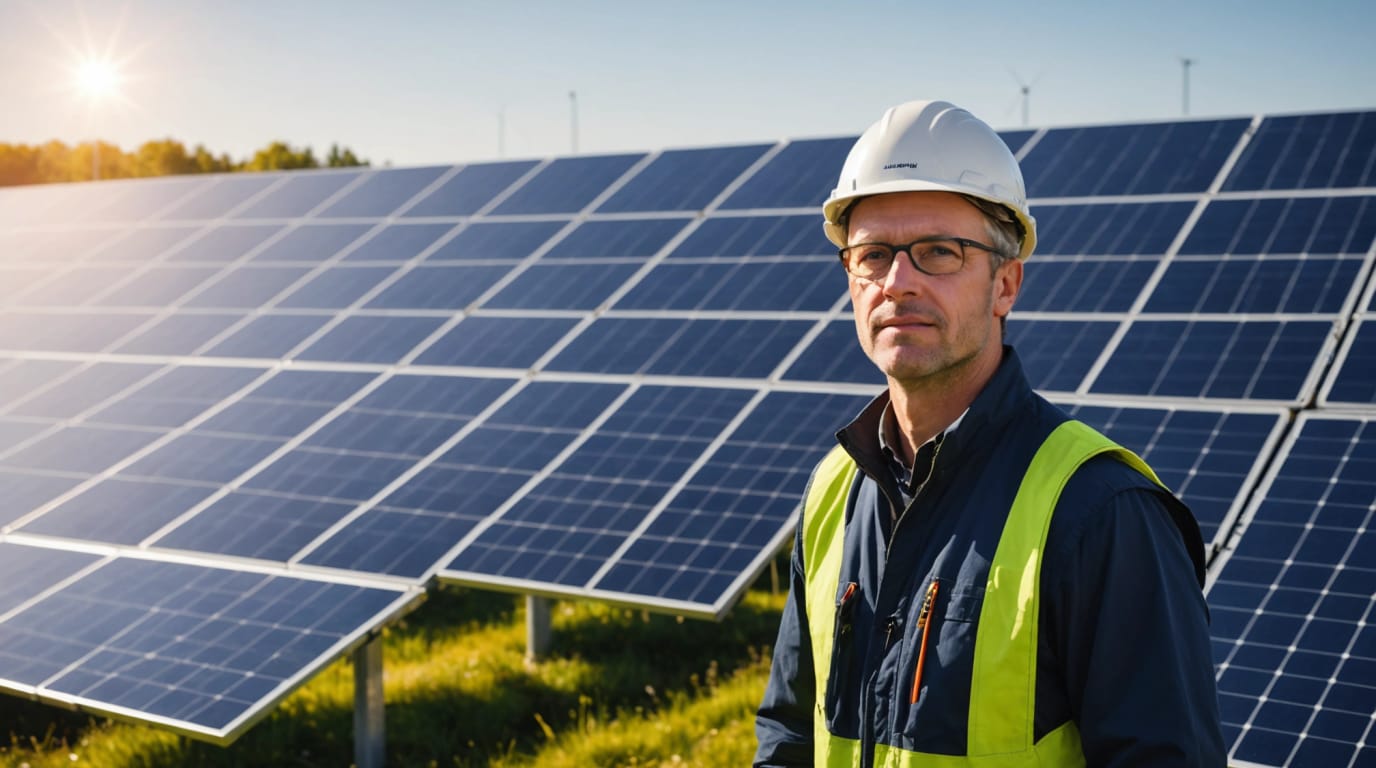
Europe is experiencing an unprecedented boom in solar energy, driven by ambitious climate goals, energy security concerns, and rapidly declining technology costs. The continent has doubled its solar capacity in the last three years. This surge is not solely due to technological advancements; a complex web of funding mechanisms, policy initiatives, and private investments are fueling this rapid expansion. Understanding how Europe is paying for its solar boom requires examining the diverse financial instruments and strategies employed at the EU and member state levels.
EU-Level Initiatives: Setting the Stage for Solar Growth
The European Union plays a crucial role in fostering solar energy development through various financial instruments and policy frameworks. The European Green Deal and the REPowerEU plan are key policy frameworks propelling this growth. These initiatives aim to reduce dependency on fossil fuels, promote energy independence, and achieve net-zero carbon emissions by 2050. The EU has increased its 2030 target for renewable energy from 32% (set in 2018) to 42.5% of energy consumption, with the aim of reaching 45%.
One significant mechanism is the EU Renewable Energy Financing Mechanism (REFM), established in September 2020. This mechanism facilitates cooperation between member states, allowing them to jointly finance and deploy renewable energy projects. Contributing member states can make voluntary financial contributions to support new renewable energy projects in host member states through competitive tenders. This allows countries struggling to meet their renewable energy targets to finance projects in countries with high renewable energy potential and receive statistical credit towards their national goals.
The European Fund for Strategic Investments (EFSI), a joint initiative between the European Investment Bank (EIB) Group and the European Commission, also plays a vital role. EFSI aims to mobilize private investment in strategically important projects for the EU, including energy efficiency, renewable energy, and power grids. The EIB itself provides loans and guarantees for solar projects, further stimulating investment.
National Strategies: Tailored Support for Solar Deployment
While the EU provides a broad framework and financial support, individual member states implement their own policies and incentives to promote solar energy deployment. These national strategies vary significantly, reflecting different energy mixes, economic conditions, and political priorities.
Across Europe, governments offer direct financing to citizens investing in solar power, though the amounts and conditions vary dramatically. Hungary leads with generous subsidies, covering up to two-thirds of solar panel costs for homeowners, provided they meet specific requirements and invest in energy storage as well. Sweden takes a different approach with its “Grön Teknik” program, which offers a simpler 20% rebate with minimal paperwork.
Many countries utilize feed-in tariffs (FITs) or contracts for difference (CfDs) to provide revenue certainty for solar project developers. FITs guarantee a fixed price per unit of electricity generated, while CfDs provide a top-up payment when the market price falls below an agreed-upon strike price. These mechanisms reduce investment risk and attract private capital. State Aid has been instrumental in deploying solar PV and driving down costs, and will likely play a key role in the coming years for meeting the increased solar objectives set out by the European Commission in their EU Solar Strategy. As solar projects are CAPEX-intensive projects, it provides necessary remuneration insurance for project developers, allowing them to minimise market uncertainty and make their investments with confidence. This is the model of two-way Contracts for Difference, which complement the market price where the latter does not reach the strike price.
Tax incentives, such as VAT reductions or exemptions for solar equipment, are also common. Some countries offer tax credits for homeowners and businesses that install solar panels, further reducing the upfront cost.
Private Sector Investment: A Key Driver of Growth
While public funding and policy support are essential, private sector investment is the primary driver of Europe's solar boom. Solar investment in Europe is on the rise due to favorable government policies, decreased technology costs, and increased public awareness of renewable energy benefits. According to a report by SolarPower Europe, the European solar market added 41.7 GW of solar capacity in 2022, up from 28.1 GW of installations in 2021.
Utilities, independent power producers (IPPs), and institutional investors are all playing a significant role. Major players in the European solar market include Total, Enel, EDF, Engie, Iberdrola, RWE, and EDP. Smaller companies such as Solarcentury, Lightsource BP, and BayWa r.e. are also making a mark in the industry. These companies invest in large-scale solar farms, rooftop solar installations, and other solar projects.
The increasing interest in environmental, social, and governance (ESG) investing is also channeling more capital into the solar sector. Investors are increasingly seeking opportunities to invest in sustainable and socially responsible projects, and solar energy fits this bill perfectly.
Challenges and Opportunities
Despite the impressive growth, Europe's solar boom faces several challenges. One major hurdle is grid infrastructure. The existing electricity grid in some regions is not equipped to handle the influx of solar power, leading to curtailment and reduced revenue for project developers. Grid bottlenecks tighten, making it more difficult to build bankable utility-scale solar. Upgrading and expanding the grid is crucial to fully realize the potential of solar energy.
Another challenge is the permitting process. Lengthy and complex permitting procedures can delay or even derail solar projects. Streamlining these processes and reducing bureaucratic hurdles is essential to accelerate deployment.
Local opposition to projects can also impact development costs and timelines.
Despite these challenges, the future of solar energy in Europe looks bright. The EU saved an estimated $10.8 billion in gas costs in 2022 thanks to its speedy increase in solar energy investment and capacity preceding and during the invasion. The continent's commitment to climate action, coupled with technological advancements and innovative financing mechanisms, will continue to drive solar growth in the years to come.
Conclusion: A Sustainable Energy Future Powered by the Sun
Europe's solar boom is a testament to the power of policy support, financial innovation, and private sector investment. By combining EU-level initiatives with national strategies and attracting private capital, Europe is rapidly transforming its energy landscape and moving towards a more sustainable future. While challenges remain, the continent is well-positioned to continue its solar surge and achieve its ambitious climate and energy goals. The increasing adoption of solar energy in rural Europe is reshaping the economic landscape of many regions, bringing both immediate and long-term benefits. As the world transitions to cleaner energy sources, the impact of solar energy is becoming more pronounced, particularly in rural areas where traditional economic activities such as agriculture and small-scale industries have long been the primary sources of income. This shift is not only reducing carbon footprints but also revitalizing rural economies by creating new jobs and opportunities.