European Arms Makers Eye Bigger Slice of Defense Spending Amid EU Push
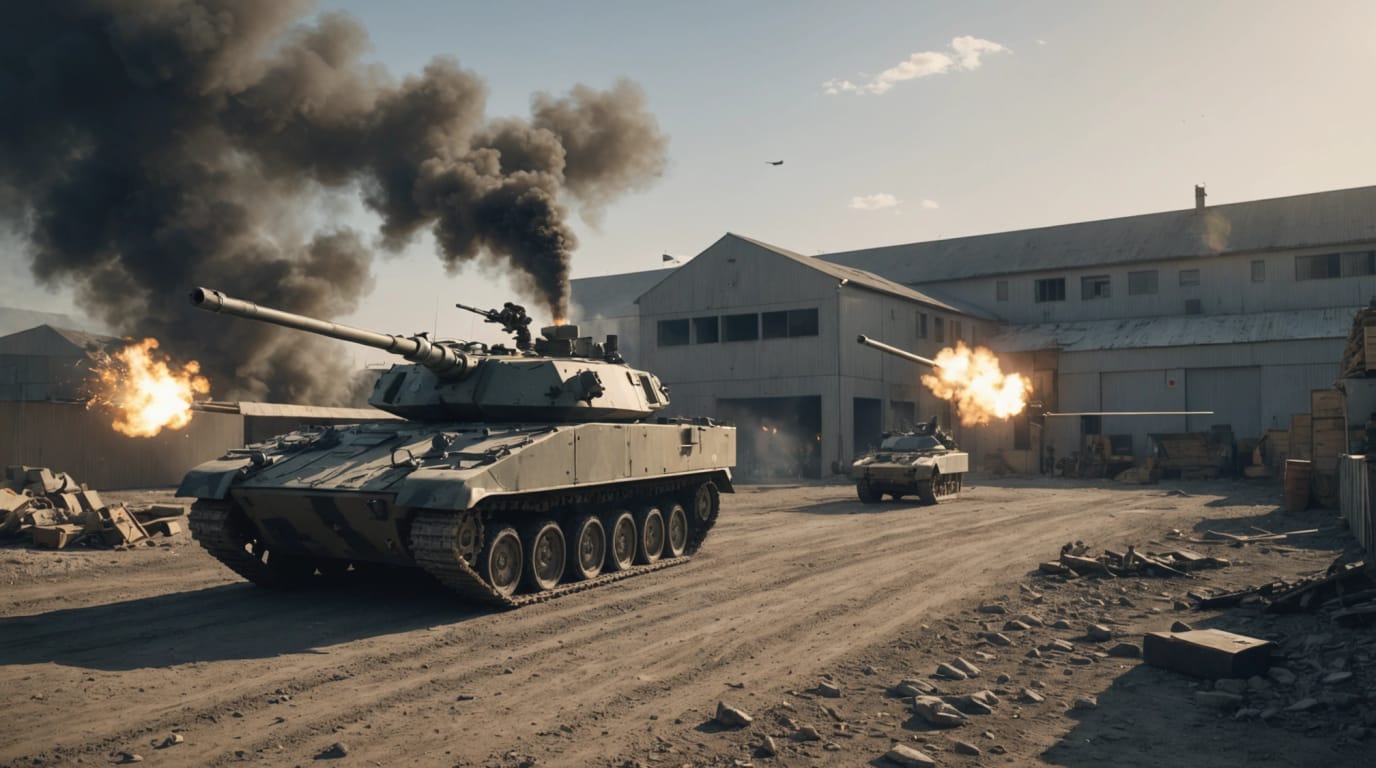
European arms manufacturers are positioning themselves to capture a larger share of the burgeoning defense market as the European Union embarks on a significant spending spree aimed at bolstering its security and reducing reliance on the United States. Fueled by heightened geopolitical tensions, particularly the ongoing conflict in Ukraine, and concerns about the reliability of future U.S. support, EU member states are committing to increase their defense budgets substantially, creating unprecedented opportunities for European defense companies.
A Surge in Defense Spending
European defense spending has been on the rise for a decade, with a notable acceleration since Russia's invasion of Crimea in 2014. In 2024, European defense spending jumped by 11.7% in real terms, reaching $457 billion. This marks the tenth consecutive year of growth, reflecting a heightened threat perception across the continent. Goldman Sachs Research economists project that defense expenditures in the Euro area will rise from 1.8% of GDP in 2024 to 2.4% by 2027. To put this into perspective, an initial assessment suggests an increase of about €250 billion annually (to around 3.5 percent of GDP) is warranted in the short term.
Germany, Europe's largest economy, is leading the charge. The incoming government has signaled its intention to exempt defense spending from budget control measures and allocate €500 billion to an infrastructure fund, a portion of which could be directed towards military modernization. This commitment is particularly significant, as Germany's military capabilities are currently considered to fall short of what is needed to meet its commitments to allies.
The European Defence Fund
The EU is also playing a crucial role in coordinating and supporting increased defense spending through initiatives like the European Defence Fund (EDF). Established in 2021, the EDF aims to foster cooperation between defense companies and research institutions across the Union, boost defense capability development through investments, and help EU companies develop cutting-edge and interoperable defense technologies and equipment.
The EDF has a total budget of €7.953 billion for the 2021-2027 period, with funds allocated to both research and development projects. The European Commission has committed €5.4 billion since the EDF's inception, making it one of the top investors in defense research and development. The EDF's 2025 Work Programme allocates €1.065 billion for collaborative research and development in the field of defense.
Challenges to US Dominance
For decades, the United States has dominated the global arms market. In 2023, the U.S. exported $238 billion in arms, accounting for over 40% of all weapons exports. The top five arms exporters, including the United States, France, Russia, China, and Germany, supplied approximately 75% of the world's arms exports between 2019 and 2023.
However, several factors are creating an opportunity for European arms makers to challenge this dominance. Concerns about the capacity and readiness of the U.S. defense industrial base, coupled with a desire for greater European strategic autonomy, are driving EU member states to prioritize domestic defense procurement.
The U.S. defense industrial base is not optimally suited for high-intensity conflict against major powers. Much of the U.S.'s demand for arms in recent decades has been for military operations against smaller opponents, potentially leaving it ill-equipped for a conflict with a peer of similar military strength.
Industry Response and Stock Market Surge
European defense companies are responding to the increased demand by ramping up production and pursuing new technologies. Companies like BAE Systems, Thales, and Rheinmetall have seen their stock values surge in recent months, reflecting investor confidence in their ability to capitalize on the growing defense market.
The expectation of higher arms spending led to a record 7.7% rise in the European aerospace and defense sector stock index on March 3, 2025. Italian defense manufacturer Leonardo surged 16%, followed by BAE Systems and Thales, which gained more than 14%, while Rheinmetall advanced 13.7%.
Obstacles and Considerations
Despite the promising outlook, European arms makers face several challenges. The European defense industry is fragmented along national lines, with limited overall capacity compared to its U.S. counterpart. This lack of interoperability among allied nations and insufficient coordination between government and industry can hinder the development and deployment of effective defense capabilities.
Around 40% of European defense spending goes for arms acquired from outside of Europe. To improve, defense enterprises should strengthen strategic command and coordination, boost industrial capacity, and accelerate the pace of innovation where it matters most.
A Shift in the Global Arms Landscape?
The increase in European defense spending and the rise of European arms makers could lead to a significant shift in the global arms landscape. While the United States is likely to remain a dominant player, European companies are poised to capture a larger share of the market, particularly within Europe itself.
This shift could have several implications. It could lead to greater European strategic autonomy, allowing the EU to play a more independent role in global security. It could also foster greater competition in the arms market, potentially leading to lower prices and more innovative technologies.
Ultimately, the extent to which European arms makers can challenge U.S. dominance will depend on their ability to overcome the challenges they face and capitalize on the opportunities presented by the changing geopolitical landscape. The coming years will be crucial in determining whether Europe can truly build a stronger and more self-reliant defense industry.