European Artists Boycott U.S. Over Trump's Cultural Policies
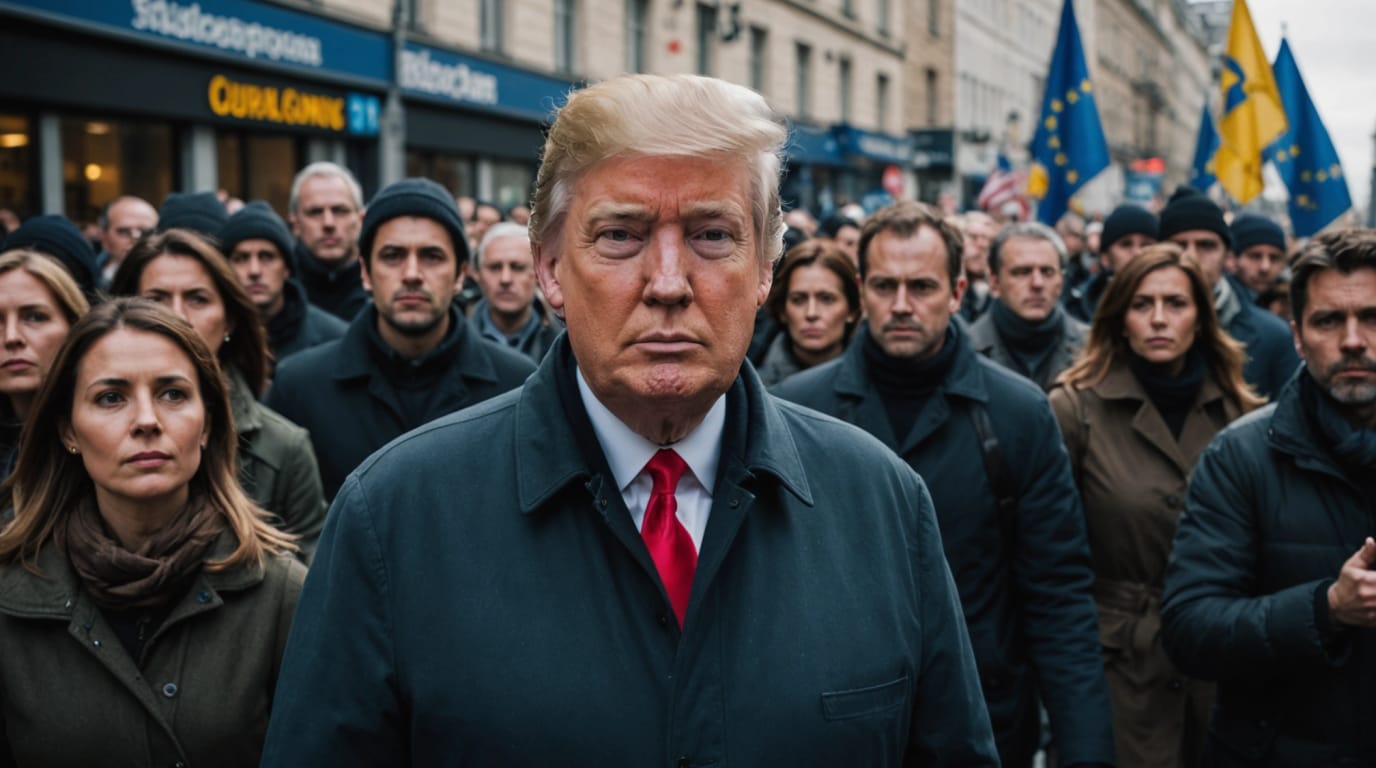
A growing number of European artists are boycotting the United States in protest of President Donald Trump's cultural policies and political climate. The boycott, which includes cancellations of performances and exhibitions, reflects concerns about artistic freedom, inclusivity, and the increasing politicization of cultural institutions. This movement marks a significant shift, as historically, American artists often boycotted authoritarian states, but now some foreign artists view the U.S. as a political pariah.
Artistic Freedom Under Scrutiny
Several high-profile European musicians have publicly announced their decision to boycott the U.S. Hungarian-born pianist András Schiff canceled his upcoming U.S. performances for the 2025-2026 season, citing "the recent and unprecedented political changes in the United States." Schiff stated that he could not, in good conscience, perform in a country whose leadership he finds troubling, adding that Trump has "brought an ugliness into this world which hadn't been there."
German violinist Christian Tetzlaff also canceled an eight-city U.S. tour, expressing feeling "like a child watching a horror film" while in America. Tetzlaff condemned Trump's affinity for Russia and his alignment with far-right politicians in Germany as reasons for his decision.
These cancellations highlight a growing concern among European artists that artistic expression and cultural exchange are being compromised by the current political climate in the U.S. The artists fear that the administration's policies may stifle creativity and limit opportunities for international collaboration.
Politicization of Cultural Institutions
The Kennedy Center for the Performing Arts in Washington, D.C., a prominent showcase for American performance art, has become a focal point of the boycott. Following Trump's election, he removed 18 board members and replaced them with political loyalists, including his chief-of-staff and Fox News presenters. As the new chairman of the board, Trump stated his intention to ensure the productions were "good" and "not woke."
In response, several artists and productions have canceled their appearances at the Kennedy Center, including the Broadway show "Hamilton," actress and producer Issa Rae, mystery writer Louise Penny, and folk musician Rhiannon Giddens. One musician told Sky News that Trump's actions represent "authoritarianism coming for arts institutions."
These boycotts underscore the concern that cultural institutions are becoming increasingly politicized, potentially compromising their artistic integrity and independence. The fear is that political agendas may overshadow artistic merit, leading to a decline in the quality and diversity of cultural offerings.
Economic and Cultural Impact
The European artists' boycott could have significant economic and cultural consequences for the U.S. art scene. The cancellation of performances and exhibitions could lead to a decline in revenue for cultural institutions and related businesses. Moreover, the absence of European artists may limit the diversity of artistic perspectives and cultural exchange within the U.S.
The boycott also coincides with increased scrutiny of artist visas and potential difficulties for visiting artists. Extreme visa fee hikes had been implemented before Trump took office, and procedural delays are becoming more common. This increased scrutiny may further discourage European artists from performing or exhibiting in the U.S., exacerbating the cultural impact of the boycott.
Beyond the art world, there is a broader "Boycott USA" movement gaining momentum in Europe and Canada, fueled by opposition to Trump's trade policies and tariffs. European retailers are making it easier for consumers to avoid American goods, and social media groups are advocating for boycotts of U.S. brands. This widespread backlash could have long-term economic consequences for American businesses and industries.
A Call for Dialogue and Engagement
Despite the growing boycott, some voices within the European art community are urging for dialogue and engagement rather than complete withdrawal. Franz Welser-Möst, the music director of the Cleveland Orchestra, argued against artist boycotts, stating that "culture must remain a place of dialogue." He cautioned that boycotting American cultural institutions could lead to the U.S. becoming an "intellectual desert."
Welser-Möst advocated for European artists to engage intensively with the American cultural scene, understand its structures, and support places where culture is celebrated as a form of debate, humanism, and human dignity. He acknowledged his own reservations about performing at the Kennedy Center but emphasized the importance of supporting cultural institutions that promote dialogue and artistic freedom.
Uncertain Future
The European artists' boycott of the U.S. reflects deep concerns about the direction of cultural policy and the political climate under the Trump administration. While the long-term impact of the boycott remains uncertain, it highlights the importance of artistic freedom, inclusivity, and the need to protect cultural institutions from political interference.
As the U.S. prepares for future elections, the art world will likely continue to grapple with these issues. The European experience offers insights into navigating populist governance and maintaining artistic integrity in challenging times. Whether through boycott or engagement, artists are using their voices to shape the cultural landscape and advocate for a more inclusive and vibrant society.