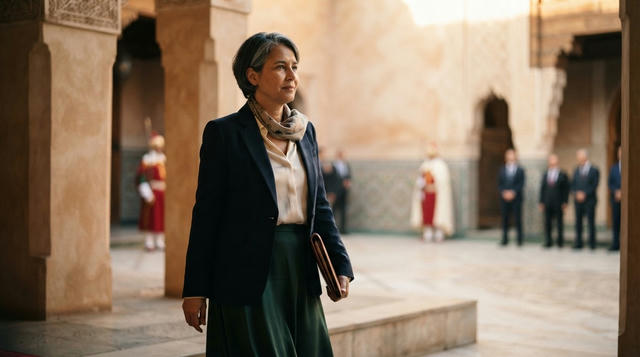
European Union Forges New Path Amid Sahel's Geopolitical Chess Game
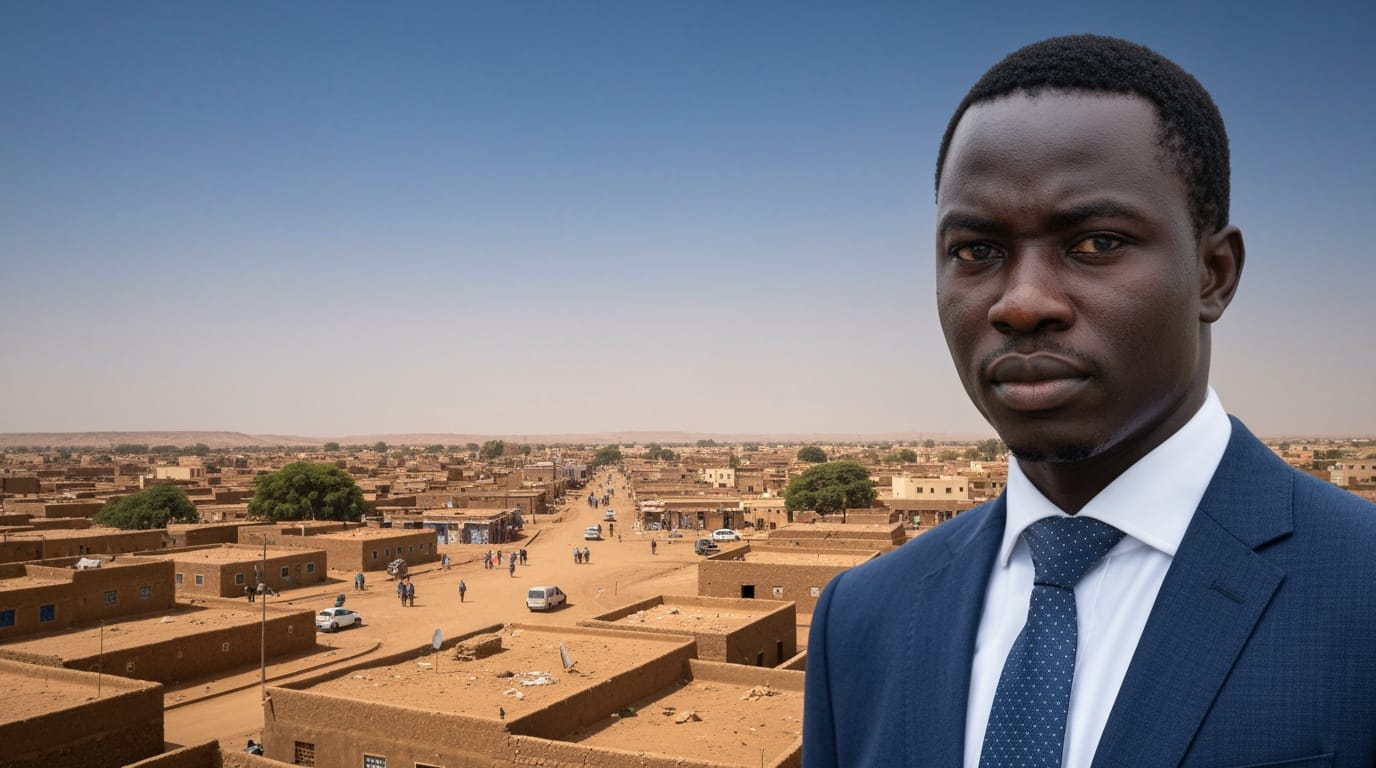
Brussels, Belgium – The European Union is urgently recalibrating its long-standing engagement in the Sahel, grappling with a rapidly shifting geopolitical landscape marked by escalating instability and intense rivalries for influence. As traditional Western alliances wane, new global powers are stepping into the void, compelling the EU to devise a more adaptive and multifaceted strategy for a region critical to European security and migration concerns.
For over a decade, European efforts in the Sahel have largely focused on security and capacity-building, often anchored in French-led military operations. However, a series of military coups in Mali (2020, 2021), Burkina Faso (2022), and Niger (2023) has profoundly reshaped the region's political and security dynamics, leading to the expulsion or withdrawal of most Western forces, including French troops and EU training missions. This retreat has coincided with a surge in anti-Western sentiment among some Sahelian populations and governments. The military juntas in these nations have increasingly turned to alternative partners, most notably Russia, while also forging a new "Alliance of Sahel States" (AES) and withdrawing from the Economic Community of West African States (ECOWAS). This complex realignment has underscored the limitations of previous European approaches and necessitated a fundamental rethinking of the EU’s role.
The Shifting Sands of Influence
The withdrawal of European military presence has created a vacuum that other global actors are actively seeking to fill. Russia, in particular, has rapidly expanded its footprint, primarily through the deployment of private military companies like the Wagner Group, now integrated into the Africa Corps. These Russian entities offer "unconditional security assistance" to military regimes, largely unburdened by demands for democratic reforms or human rights preconditions. In exchange, Russia gains access to the Sahel's rich natural resources, including gold and diamonds, which analysts suggest helps fund its broader geopolitical endeavors, such as the conflict in Ukraine. Official military consultations between Russia and the AES countries, formalized in defense memoranda, now cover military training, logistical support, arms transfers, and intelligence coordination.
China also maintains a significant presence, predominantly through economic investments in infrastructure, manufacturing, and resource extraction, including oil, lithium, cobalt, and uranium. Beijing's policy of "non-interference" in internal affairs is particularly attractive to Sahelian governments wary of conditional aid. Beyond these major players, countries like Iran, North Korea, Turkey, and the United Arab Emirates are also reportedly increasing their engagement, further diversifying the array of external influences in the region. This multipolar competition is creating a complex geopolitical chessboard where Sahelian states can increasingly choose partners based on their immediate security and economic interests, often prioritizing regime survival over democratic principles.
The EU's Evolving Strategy: Beyond Military Intervention
Acknowledging past shortcomings, the EU is now pursuing a more realistic and nuanced approach in the Sahel. Previous strategies, which launched missions such as EUCAP Sahel Niger and EUTM Mali, were deemed to have had unrealistic ambitions and failed to resonate with local elites. The new strategy, refined in 2021 and continuously adapted, emphasizes a broader political dimension, mutual accountability, and sustainable social, environmental, and economic development, moving "above and beyond military involvement."
Key elements of this recalibrated strategy include maintaining a limited diplomatic presence, strengthening monitoring of jihadist spillover, and fostering cooperation with neighboring countries. There is also a renewed focus on selective, apolitical cooperation in areas such as climate adaptation, agriculture, water management, education, and health. Furthermore, the EU has intensified its support for Gulf of Guinea states, recognizing the increasing spillover of instability from the central Sahel. This includes significant funding through the European Peace Facility for military aid to countries like Ghana, Côte d'Ivoire, and Benin, and a landmark security and defense partnership with Ghana, aiming to bolster border security, provide modern equipment, and enhance cybersecurity capabilities. A critical component of the revised EU strategy also involves actively countering disinformation campaigns, which are often used by rival powers to undermine European influence.
Persistent Challenges and Humanitarian Crisis
Despite evolving international engagement, the Sahel continues to confront profound and interconnected challenges. The region remains an epicenter of escalating jihadist insurgencies, with groups like Jama'at Nasr al-Islam wal Muslimin (JNIM) and Islamic State Sahel Province (IS Sahel) intensifying attacks. The year 2023 was the deadliest on record since 2012, with civilian populations frequently caught in the crossfire. This insecurity, coupled with the impacts of climate change, weak governance, and socio-economic fragilities, has fueled an acute humanitarian crisis.
Over 35 million people in the Sahel and Lake Chad regions required humanitarian assistance in 2024, with projections indicating that 46 million could face a food crisis by mid-2024. The region also hosts over 10 million internally displaced persons and refugees, underscoring the vast scale of human suffering. The EU remains a significant humanitarian donor, allocating €201 million in 2024 to address urgent needs such as food security, malnutrition, healthcare, shelter, and education across Burkina Faso, Cameroon, Chad, Mali, Mauritania, Niger, and Nigeria. However, these efforts face considerable obstacles, including insecurity, access impediments, and a perennial lack of funding, highlighting the urgent need for comprehensive and sustained international support.
Conclusion: A High-Stakes Balancing Act
The Sahel's future hinges on its ability to navigate a turbulent mix of internal fragilities and external geopolitical competition. For the European Union, the stakes are undeniably high. The region's instability directly impacts European security through concerns about terrorism, organized crime, and irregular migration. The EU's new strategy marks a significant departure from past approaches, seeking to build partnerships based on mutual respect and shared objectives, focusing on long-term development, governance, and humanitarian support alongside targeted security cooperation.
However, success will depend on the EU's capacity to maintain a coherent and adaptive strategy, effectively counter the narratives and influence of rival powers, and foster genuine trust with Sahelian partners. This demands a delicate balancing act, requiring flexibility and a pragmatic approach in a region where external actors are aggressively pursuing their own interests. The challenge for the EU is to demonstrate that its commitment to a stable, prosperous, and secure Sahel is not merely transactional, but grounded in a shared future, thereby regaining influence and contributing to lasting peace.