Pakistan Navigates High-Stakes Diplomacy Amid Escalating US-Iran Tensions
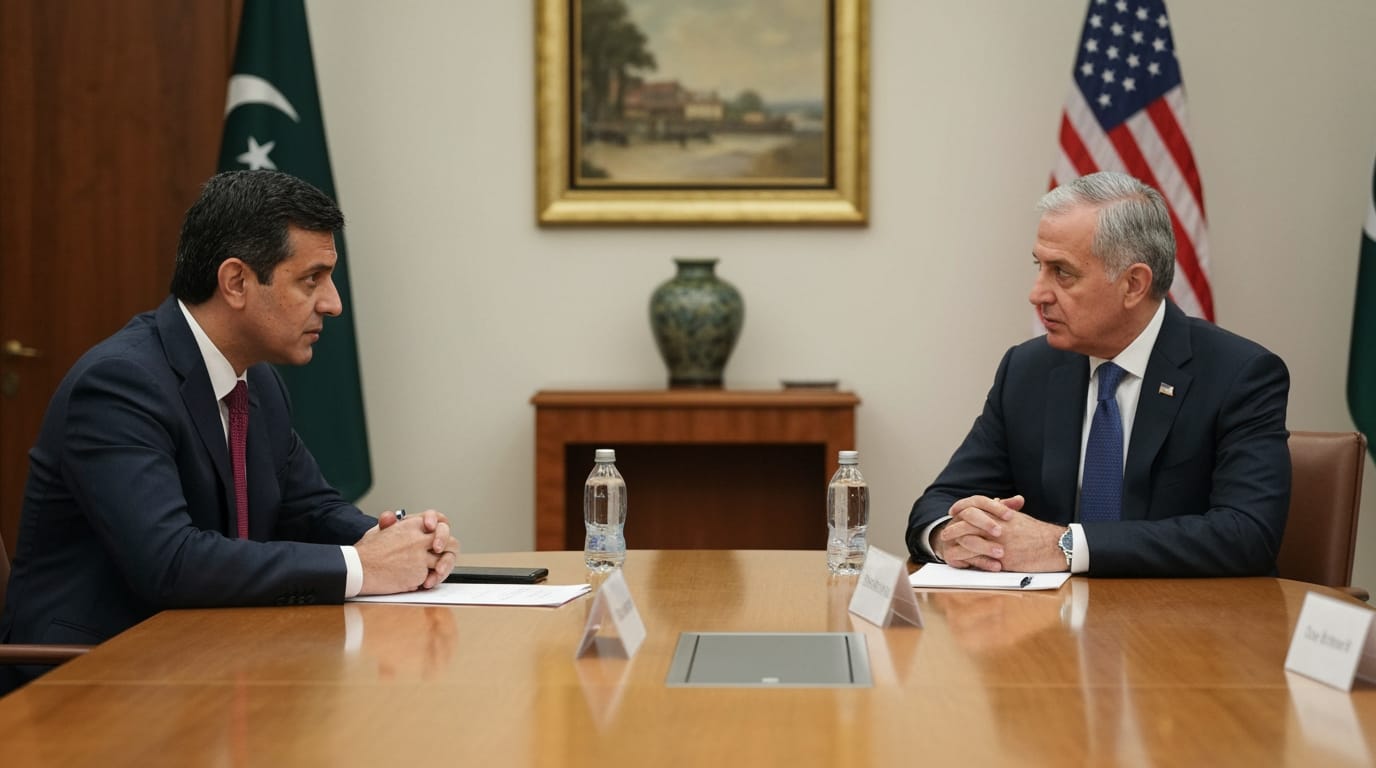
Islamabad finds itself at the epicenter of a precarious diplomatic effort, stepping forward as a potential mediator in the rapidly escalating conflict between the United States and Iran. With regional stability hanging in the balance, Pakistan is under immense pressure to facilitate successful talks, leveraging its unique relationships with both Washington and Tehran in a bid to de-escalate hostilities that have already claimed thousands of lives and disrupted global energy markets. The delicate mission underscores Pakistan's evolving role in international geopolitics, presenting both significant opportunities and profound risks for the South Asian nation.
The Diplomatic Gambit: Why Pakistan?
Pakistan's emergence as an intermediary in the US-Iran standoff is a testament to its intricate diplomatic network and a long-standing, albeit often understated, history of facilitating high-level negotiations. Unlike many other nations in the Middle East, Pakistan maintains functional working relationships with both the United States and Iran, a rare combination that positions it as a credible go-between when direct communication channels are strained. This access is further solidified by Pakistan's role as Iran's protecting power in the United States, managing Iranian diplomatic interests in Washington, D.C., through its embassy.
Beyond current geopolitical alignments, Pakistan boasts a historical record of mediating complex international disputes. Islamabad played a crucial backchannel role in facilitating the historic rapprochement between the United States and China in the early 1970s, and later in the negotiations that led to the Soviet withdrawal from Afghanistan. More recently, Pakistan was instrumental in facilitating contacts between the Afghan Taliban and Washington, which culminated in the 2020 Doha agreement. This experience lends a certain gravitas to Pakistan's current diplomatic push, suggesting an institutional capacity for delicate mediation. Moreover, Pakistan's geographic proximity to Iran, sharing a border, means it has a direct stake in preventing wider regional destabilization. The economic fallout from increased regional tensions, particularly rising global oil prices, directly impacts Pakistan's struggling economy, adding a layer of urgency to its peacemaking efforts. The US administration, notably President Donald Trump, has reportedly expressed confidence in Pakistan's military leadership, further cementing Islamabad's perceived suitability for this sensitive role.
High Stakes, Deep Divides: The US-Iran Standoff
The current crisis between the United States and Iran has spiraled following US and Israeli strikes on Iran that began in late February, triggering retaliatory actions across the region and raising fears of a wider conflict. In this highly charged atmosphere, Pakistan has been actively relaying messages between Washington and Tehran, including a 15-point ceasefire proposal from the US. This US plan reportedly calls for a one-month ceasefire, Iran's handover of highly enriched uranium stockpiles, a halt to further enrichment, curbs on its ballistic missile program, and an end to support for regional proxies.
However, the chasm between the two adversaries' positions remains significant. Iran has publicly dismissed the US proposal as "unrealistic, illogical, and excessive," and has denied engaging in any direct talks. Tehran has, however, acknowledged responding with its own counter-proposals. Iran's counter-demands reportedly include a halt to aggression and killings, concrete guarantees against future attacks, reparations for damages, an end to hostilities against its regional allies, and formal recognition of Iranian sovereignty over the strategically vital Strait of Hormuz. This divergence highlights the deep mistrust that characterizes US-Iran relations, further complicated by past instances where Iran perceives being bombed during peace initiatives. President Trump, while noting "productive conversations" and that "negotiations are going 'extremely well'," has also issued stark warnings, including threats to seize Iran's Kharg Island, which handles a significant portion of its oil exports. Such contrasting signals from Washington only exacerbate the already complex diplomatic landscape.
Islamabad's Tightrope Walk: Pressures and Perils
While Pakistan has publicly offered to host "meaningful and conclusive talks," its diplomatic endeavor is fraught with challenges. The conflict's widening scope, coupled with the fundamental lack of trust between Washington and Tehran, makes any successful mediation a high-wire act. Adding to the complexity, intensifying Israeli military actions targeting civilian infrastructure in Iran and an expanding US military presence in the Gulf cast a dark shadow over the prospects for diplomacy. Iran's skepticism about negotiating under duress is palpable, with its parliamentary speaker reportedly dismissing proposed talks in Pakistan as a mere "cover" for US military deployments.
Domestically, Pakistan faces its own set of pressures. The regional conflict has contributed to rising fuel costs, putting a strain on the government of Prime Minister Shehbaz Sharif. Protests have erupted across the country following US strikes on Iran, signaling public discontent and adding to internal turmoil. Externally, Pakistan's historical ties and economic dependency on Saudi Arabia introduce another layer of complexity. Maintaining neutrality is delicate, as strong ties with Riyadh could naturally breed suspicion in Tehran, potentially undermining Pakistan's perceived impartiality. Pakistan’s ability to remain a balanced, non-partisan facilitator is crucial; a misstep could risk alienating either side or compromising its own strategic partnerships. The country also contends with ongoing hostilities along its border with Afghanistan, further stretching its resources and diplomatic attention.
The Path Ahead: Fragile Hopes and Lingering Threats
Despite the formidable obstacles, Pakistan, alongside Turkey, Egypt, and Saudi Arabia, is actively pushing for a diplomatic resolution. A recent quadrilateral meeting of their foreign ministers in Islamabad underscored a coordinated regional effort to de-escalate the conflict and promote direct talks. Pakistan's Foreign Minister Ishaq Dar has stated that both the US and Iran have expressed confidence in Pakistan's ability to facilitate discussions, with Islamabad prepared to host talks in the coming days. These talks are expected to be indirect, with Pakistani officials acting as conduits between the two delegations.
However, the tangible signs of de-escalation remain fragile. While the US has announced a temporary pause in some strikes, the Pentagon is reportedly considering plans for potential ground operations, and a significant buildup of US troops in the Middle East continues. Iran, for its part, has issued strong warnings against US military presence and has continued its own retaliatory actions. The success of Pakistan's mediation hinges on its ability to bridge the fundamental policy gaps and deeply entrenched mistrust between Washington and Tehran. Analysts suggest that for any real progress, Iran would need significant concessions from the US, while Washington seeks to curb Iran's nuclear ambitions and regional influence.
A Pivotal Moment for Regional Stability
Pakistan stands at a pivotal juncture, tasked with an unenviable but critical diplomatic mission. Its efforts to mediate between the United States and Iran represent a significant, albeit risky, expansion of its diplomatic footprint on the global stage. The outcome of these delicate negotiations will not only determine the immediate future of the US-Iran conflict but will also profoundly impact regional stability, global energy markets, and Pakistan's own international standing. As Islamabad endeavors to shepherd two wary adversaries toward a peaceful resolution, the world watches closely, hoping that the pressure on Pakistan can translate into a pathway for lasting peace.


