Germany Forges New Path with Post-Assad Syria, Marking Significant Diplomatic Reset
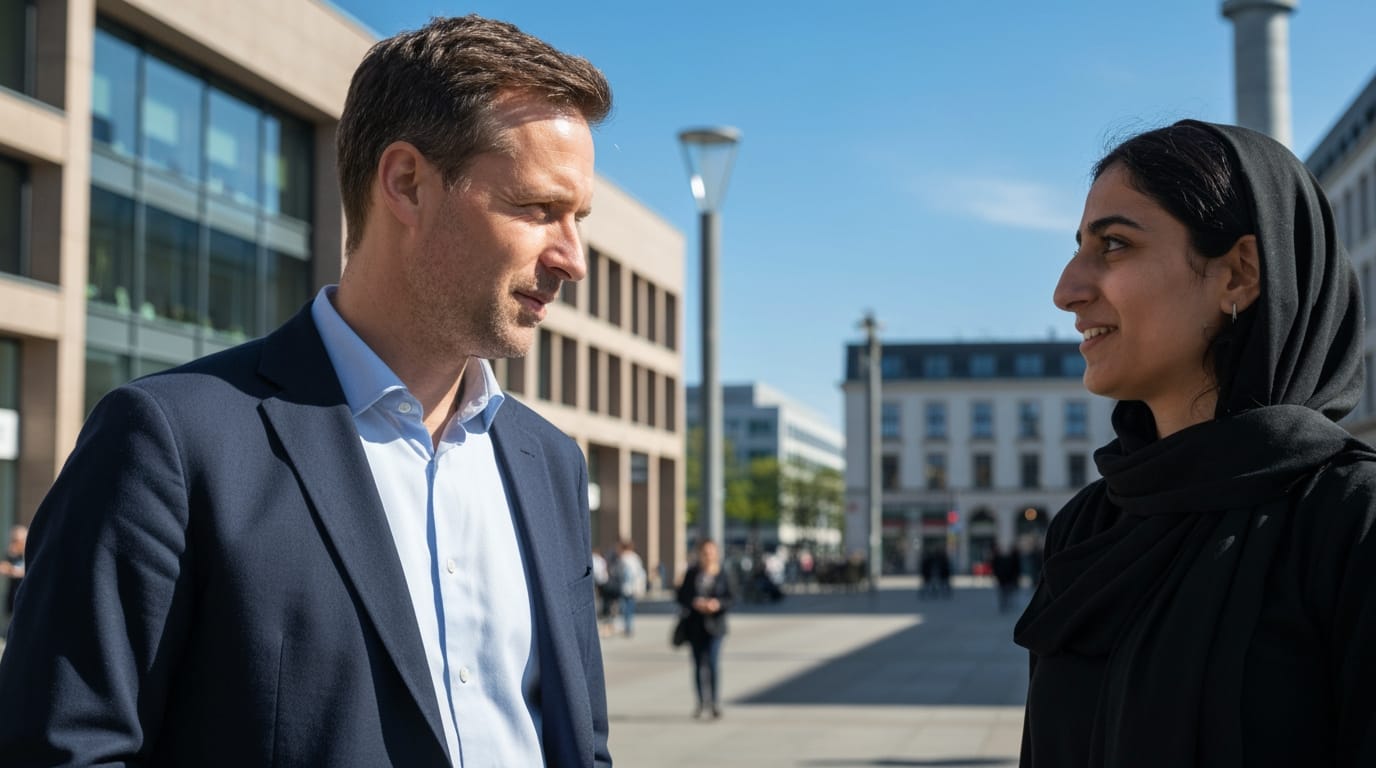
BERLIN – A profound shift is underway in the diplomatic landscape between Germany and Syria, as Berlin swiftly moves to establish a "new footing" with the Syrian government that emerged following the ouster of Bashar al-Assad in December 2024. After more than a decade of severed official ties and a firm stance against the previous regime, Germany has rapidly re-engaged, reopening its embassy in Damascus and committing substantial aid to the war-torn nation. This dramatic pivot signals a new chapter in a relationship long defined by conflict, humanitarian crisis, and a deep diplomatic freeze.
The re-establishment of formal diplomatic channels and a renewed focus on reconstruction and stability underscore Germany's strategic interests, humanitarian commitments, and evolving foreign policy objectives in the Middle East. While challenges persist, particularly concerning Syria's internal stability and the sensitive issue of refugee returns, Berlin's proactive engagement with the new leadership under President Ahmed al-Sharaa represents a significant departure from past policies and a bold bet on Syria's future.
A Swift Diplomatic Pivot Following Assad's Ouster
The catalyst for this diplomatic reset was the fall of Bashar al-Assad on December 8, 2024, paving the way for a new Syrian government led by President Ahmed al-Sharaa. Germany, which had closed its Damascus embassy in 2012 and ceased recognition of the Assad regime, wasted no time in initiating re-engagement. German Foreign Minister Annalena Baerbock made two visits to Damascus in early 2025, first in early January alongside her French counterpart, and then again on March 20, 2025, for direct talks with President al-Sharaa and Foreign Minister Asaad al-Shaibani.
A significant milestone in this re-engagement was the reopening of the German embassy in Damascus on March 20, 2025, after a 13-year hiatus. Concurrently, the Syrian Consulate in Bonn also officially reopened on January 12, 2026, with Syrian Foreign Minister Asaad al-Shaibani raising the new flag of the Syrian Arab Republic. These actions were underscored by statements from a German government spokesperson on January 14, 2026, affirming Berlin's openness to "deepening relations and a fresh start with the new Syrian government". This rapid restoration of diplomatic presence highlights the urgency and importance Germany places on its role in post-Assad Syria.
Germany's Strategic Interests and Reconstruction Ambitions
Germany's renewed engagement is driven by a confluence of strategic interests. As Europe's wealthiest nation and the world's fourth-largest economy, Germany possesses considerable capacity to aid in Syria's daunting reconstruction efforts. There is a clear aim to support Syria's transition and foster long-term stability in the region. Germany's robust vocational education system and expertise in infrastructure development are seen as critical assets that can assist Syria's recovery, a point emphasized by observers who note the alignment of German and Syrian priorities in strengthening education.
Beyond direct aid, German companies are already playing a role in revitalizing Syria's essential services. Siemens, for instance, is reportedly involved in efforts to restart the Deir Ali power station near Damascus, a vital facility contributing significantly to the country's electrical grid. This engagement also reflects a broader German desire to assert its own foreign policy within Europe, potentially moving away from past reliance on U.S. influence. Furthermore, Germany has pledged substantial humanitarian aid, including €50 million for food, emergency shelters, and medical care in January 2025, followed by a €300 million commitment in March 2025 towards stabilizing Syria and addressing its humanitarian needs.
The Refugee Question and Repatriation Discussions
A central, and often sensitive, component of Germany's re-engagement with Syria is the issue of Syrian refugees. Germany became a primary destination for Syrians fleeing the civil war, hosting approximately 868,000 individuals by 2021, with about 70,000 having gained naturalized citizenship. This large diaspora positions Germany as a key stakeholder in Syria's future.
The German government under Chancellor Friedrich Merz has signaled a tougher stance on migration compared to his predecessor, Angela Merkel's "open-doors" policy. Merz is expected to discuss the political transition in Syria and the potential for migrant returns with President al-Sharaa during upcoming talks in Berlin. Foreign Minister Baerbock has also acknowledged efforts to facilitate voluntary returns, suggesting mechanisms that would allow initial visits to Syria to assess return options without refugees losing their status in Germany. This complex issue balances humanitarian concerns with domestic political pressures and the practicalities of repatriation to a country still emerging from conflict.
Navigating Challenges Towards a Stable Future
Despite the optimism surrounding the new diplomatic relationship, significant challenges remain. Syria's internal situation continues to be volatile, with the threat of internal and external forces potentially derailing the political process. Reports of ongoing violence in areas like Aleppo, where Kurdish forces are resisting the new government's attempts to centralize authority, underscore the fragility of the peace.
Germany's government spokesperson emphasized that Berlin is addressing these conflicts in discussions with the Syrian side, highlighting the critical need for a political transition that ensures safety and equal participation for all social groups. This complex internal dynamic will undoubtedly influence the pace and scope of Germany's ability to deepen its ties and contribute to Syria's long-term recovery.
The "new footing" in Germany-Syria relations marks a monumental shift from the era of diplomatic isolation. Germany is embarking on a path of cautious engagement, leveraging its economic power, diplomatic influence, and humanitarian commitment to foster stability and reconstruction in a post-Assad Syria. While the road ahead is fraught with challenges, Berlin's proactive approach signals a clear determination to play a pivotal role in shaping the future of a crucial nation in the Middle East.


