Europe's Energy Grid Under Siege: Droughts Threaten Critical Power Supplies

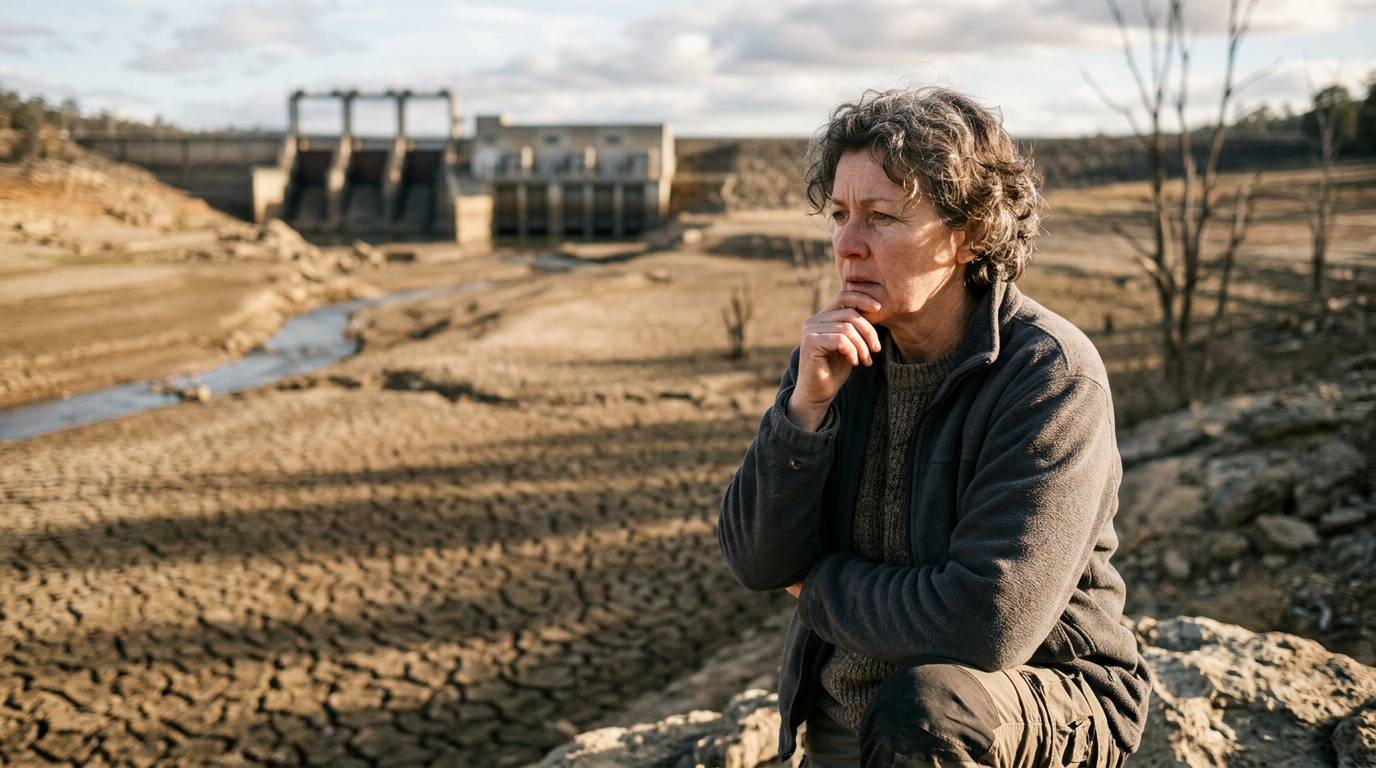
Europe's electricity supply is facing unprecedented challenges as prolonged and severe drought conditions across the continent deplete vital water resources, jeopardizing hydropower generation, straining nuclear and thermal power plant operations, and driving up energy costs. The cascading effects of diminished water levels in major rivers and reservoirs are exposing critical vulnerabilities in Europe's energy infrastructure, forcing countries to grapple with reduced output, increased reliance on fossil fuels, and the specter of energy shortages. This escalating crisis highlights the profound and interconnected impacts of climate change on the continent's economic stability and environmental goals.
Hydropower's Dwindling Contribution
Hydropower, a cornerstone of Europe's energy mix, is experiencing a significant decline in output due to historically low water levels. Europe accounts for a substantial 19% of global hydropower generation, with countries like Italy, France, and those in the Iberian Peninsula heavily reliant on this renewable source. However, the lack of rainfall and scorching temperatures have severely curtailed its capacity. Major operators have reported sharp falls in production. French utility EDF, for instance, saw its hydro generation plummet by nearly 30% year-on-year in the first six months of 2022, resulting in an estimated €1.4 billion financial impact. Similarly, Italy's Enel experienced a more than one-third reduction in hydro generation across Italy and Iberia, where water availability in these regions was approximately 40% below historical trends. Italy, which typically sources about one-fifth of its electricity from hydropower, has been particularly affected. Portugal's hydro stocks have fallen to alarming lows, with reservoirs at just 29% of capacity compared to a decade-long average of 63%. Even Serbia's largest hydropower plant, Djerdap 1, has seen its output drop to merely 20% of its capacity. The shortfall is compelling hydro operators to purchase power at record-high spot market prices, further intensifying the broader energy crisis.
Nuclear Power's Cooling Conundrum
The vulnerability of Europe's energy grid extends to its nuclear power sector, which relies heavily on vast quantities of river or sea water for cooling its reactors. As river levels drop and water temperatures rise due to extreme heat, environmental regulations often necessitate the reduction of output or even the complete shutdown of nuclear facilities to prevent overheating and ecological damage. This critical dependency has led to significant disruptions across the continent. Hungary's Paks nuclear power plant, which generates nearly half of the nation's electricity, has faced the risk of closure or partial shutdowns due to record-low water levels in the Danube River. In a dramatic measure, the Romanian military reportedly resorted to blasting a part of a canal to divert water and maintain cooling flows for its Cernavoda nuclear power plant after one of its two reactors was shut down. France, where nuclear power provides a substantial portion of the electricity, has repeatedly reduced output from plants on rivers like the Rhône and Garonne during hot summers to avoid discharging excessively warm water. Experts warn that many of these nuclear plants, constructed in the 1970s and 1980s, were not designed to withstand the current extreme heat conditions, underscoring a pressing need for adaptation.
The Vicious Cycle of Fossil Fuel Reliance
The curtailed output from hydropower and nuclear facilities creates a dangerous void in Europe's energy supply, which is increasingly filled by an uptick in fossil fuel combustion. This reliance on coal, natural gas, and lignite not only undermines Europe's ambitious climate goals but also traps the continent in a perilous "vicious cycle." As climate change intensifies droughts, the subsequent increase in fossil fuel burning exacerbates greenhouse gas emissions, further contributing to the very climate conditions that trigger droughts. A study tracking 25 European countries from 2017 to 2023 revealed that drought conditions led to an increase of 180 TWh in fossil fuel production within the EU, equivalent to 7% of the bloc's total generation in 2022. This surge in fossil fuel use translated to an additional 141 million tonnes of CO2 equivalents, a figure exceeding the total annual fossil fuel emissions of the Netherlands. Beyond carbon emissions, the increased burning of fossil fuels releases harmful air pollutants such as sulfur dioxide, nitrogen oxides, and fine particulate matter (PM2.5), posing direct threats to public health and the environment. The social and environmental cost associated with this drought-induced fossil fuel reliance has been estimated at a staggering $26 billion. Countries like Bulgaria, Spain, and Italy have experienced particularly high PM2.5 emissions due to their reliance on coal and lignite plants during dry spells.
Economic Fallout and Future Resilience
The ramifications of Europe's drought-driven energy crisis extend far beyond the power sector, inflicting significant economic damage and threatening broader stability. Reduced electricity output contributes to higher electricity prices and raises the potential for blackouts, impacting industries and households alike. Several countries, including Hungary and Croatia, have already had to request emergency electricity support from their neighbors. The low water levels in vital waterways like the Rhine and Danube are also disrupting inland navigation, a crucial artery for transporting goods such as grains, oil, and coal for power plants. Barges are forced to operate at reduced capacities, leading to increased shipping costs and supply chain bottlenecks that ripple through various economic sectors.
In response, some European governments are implementing urgent conservation measures. Hungary has authorized mandatory consumption reductions for major industrial users if necessary, while Belgium has introduced water use restrictions for its citizens. Looking ahead, studies project that if current trends of more frequent and intense droughts continue, annual economic losses across the EU and UK could rise significantly, from €9 billion to €12 billion even with adaptation measures, and potentially up to €24 billion without them.
Addressing this multifaceted crisis requires comprehensive strategies. Continued investment in diverse renewable energy sources, coupled with expanded cross-border electricity interconnections, are seen as crucial steps to enhance grid resilience. Implementing smart grid technologies and demand-side management programs can help balance supply and demand more effectively. Furthermore, adapting existing power plants with larger cooling systems, exploring alternative water sources, and developing more water-efficient cooling technologies like dry cooling will be essential for the long-term viability of nuclear and thermal generation in a warming climate.
The ongoing drought underscores the urgent need for Europe to accelerate its transition to a truly resilient and diversified energy system. The intertwined challenges of climate change and energy security demand innovative solutions and robust infrastructure investments to safeguard the continent's power supplies and mitigate the economic and environmental costs of a drying landscape.
Related Articles

Global Waters Under Threat: Can the World's Declining Lakes Be Restored?
Lakes around the world, vital reservoirs of freshwater and biodiversity, are shrinking at an alarming rate, posing significant environmental, economic, and human health crises. More than half of the planet's largest...


Urban Canopies: Cities' Green Guardians Battling the Heat, Yet Facing Their Own Fight for Survival
As global temperatures continue their relentless climb, cities worldwide are grappling with an escalating "urban heat island" effect, transforming concrete jungles into oppressive ovens. Amidst this challenge, urban...