Europe's Imperative: Kallas Calls for 'More European' NATO Amid Transatlantic Rift
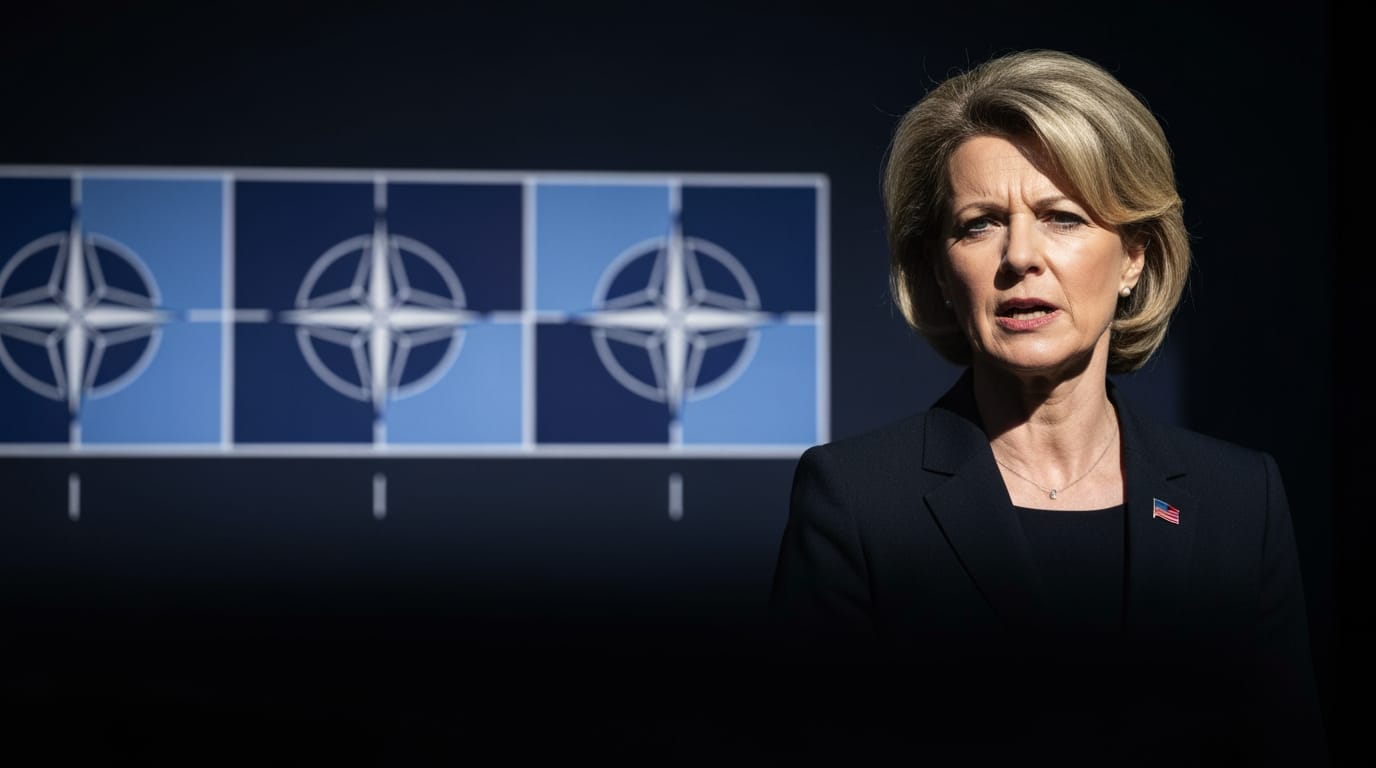
BRUSSELS — In a significant declaration signaling a fundamental shift in transatlantic security dynamics, European Union foreign policy chief Kaja Kallas has unequivocally stated that Europe must embrace a "more European" North Atlantic Treaty Organization (NATO) to safeguard its future. Kallas's remarks, delivered amid escalating concerns over a potential rupture in U.S. commitment to the alliance, underscore a growing conviction among European leaders that the continent can no longer rely solely on Washington for its defense. The Estonian diplomat emphasized that Europe is no longer the primary focus for Washington, describing this change as "structural, not temporary," and urged European nations to adapt to these new realities to maintain NATO's strength.
The Shifting Sands of Transatlantic Security
Kallas, who assumed the role of High Representative of the Union for Foreign Affairs and Security Policy and Vice-President of the European Commission in December 2024, has swiftly positioned herself as a leading voice advocating for greater European strategic autonomy within the existing security framework. Speaking at a defense conference in Brussels, she articulated a clear vision for a NATO where European members bear a more substantial share of responsibility and capability. This call to action is not merely a rhetorical flourish but reflects a pragmatic assessment of geopolitical trends, particularly the evolving stance of the United States. Kallas cautioned that Europe faces the "risk of a full-blown return to coercive power politics," underscoring the necessity for the continent to be prepared for a world where influence is dictated by might. Her message resonates deeply across European capitals, where leaders are grappling with the implications of a potentially less predictable U.S. foreign policy.
The Trump Factor and NATO's Future
The urgency behind Kallas's pronouncements is directly linked to the specter of former President Donald Trump's potential return to the White House. During his previous term, Trump frequently criticized NATO allies for insufficient defense spending and, at times, questioned the foundational principle of collective defense enshrined in Article 5 of the NATO treaty. This unpredictability resurfaced recently during a crisis involving Greenland, where Trump's threats of tariffs against European nations, which initially resisted a U.S. takeover, briefly threatened to unravel transatlantic relations. While the tariff threat was later withdrawn and a "framework deal" on Arctic security was announced, the episode highlighted the fragility of the relationship and solidified fears of an unreliable U.S. partner. Kallas noted that relations with Washington had taken "a significant hit" over the past week due to these events. European leaders, including Danish Prime Minister Mette Frederiksen, expressed the importance of European unity and "willingness to stand up for ourselves" in the wake of such tensions. The discussions around a "European pillar of NATO" have been particularly invigorated by the prospect of a second Trump administration, prompting new considerations about how Europeans can best contribute to the U.S.-dominated enterprise.
Europe's Growing Defense Ambitions
In response to the shifting geopolitical landscape and mounting pressure from Washington for increased burden-sharing, European countries have already taken concrete steps to bolster their defense capabilities. Since Russia's invasion of Ukraine four years ago, defense budgets across the continent have been significantly ramped up. Last year, under pressure, European allies agreed to substantially increase NATO's defense spending target. The European Union has also launched a series of initiatives aimed at investing an additional €800 billion into defense, reflecting a concerted effort to enhance the continent's military capacity.
The concept of a "European pillar" within NATO is gaining traction, although its precise definition remains a subject of ongoing debate. Broadly, it signifies a European defense effort designed to complement, rather than duplicate, NATO's existing structures. Proponents argue that a stronger European pillar would enable the continent to assume greater responsibility for its own defense, in coordination with the broader Atlantic Alliance. However, NATO Secretary General Mark Rutte has voiced concerns, suggesting that a distinct "European pillar" could be an "empty word" and lead to unhelpful duplication of efforts, complicating existing structures. Rutte maintains that Europe cannot defend itself without the United States, emphasizing the need for complementarity, with NATO focusing on standard setting, capabilities, and command and control, while the EU addresses resilience, the industrial base, and funding for collective defense. Despite these concerns, Rutte has also lauded Trump for successfully pushing NATO allies to increase their defense spending.
The Path Forward: Challenges and Opportunities
Building a more robust and self-reliant European defense capability presents numerous challenges. Financial commitment, while increasing, must be sustained and strategically allocated to develop interoperable forces and advanced military hardware. Furthermore, political will among member states is crucial to overcome historical divisions and foster genuine cooperation in defense planning, procurement, and deployment. Kallas herself has underscored the importance of enhancing interoperability among European armed forces and aligning defense standards to effectively address modern security threats. She has also touched upon the complexities of balancing defense procurement between European and American suppliers, advocating for a strategic approach that maintains strong transatlantic relations while bolstering Europe's defense autonomy.
The ongoing debate revolves not around abandoning NATO, which Kallas asserts remains the "bedrock of European security," but rather about Europe maturing into a more capable and reliable partner within the alliance. This involves identifying specific "European" NATO capability targets that the EU can support and potentially establishing EU military capabilities financed and owned by member states. Such steps aim to ensure that if the U.S. were to truly pivot away, Europe would not be left vulnerable.
Conclusion
Kaja Kallas's forceful appeal for a "more European" NATO reflects a pivotal moment for continental security. The recognition that Europe must take greater ownership of its defense, spurred by the unpredictable nature of U.S. foreign policy, marks a significant turning point. While maintaining strong transatlantic ties remains a stated goal, the emphasis has irrevocably shifted toward Europe's self-sufficiency within the alliance. The path ahead requires not only substantial financial investment but also a sustained political commitment to integrate defense capabilities and streamline decision-making. As the global geopolitical landscape continues to evolve, Europe's ability to forge a stronger, more unified defense posture will be critical not only for its own security but for the stability of the international order.


