Europe's Largest Nuclear Plant Plunged Into Darkness Yet Again, Raising Grave Safety Concerns
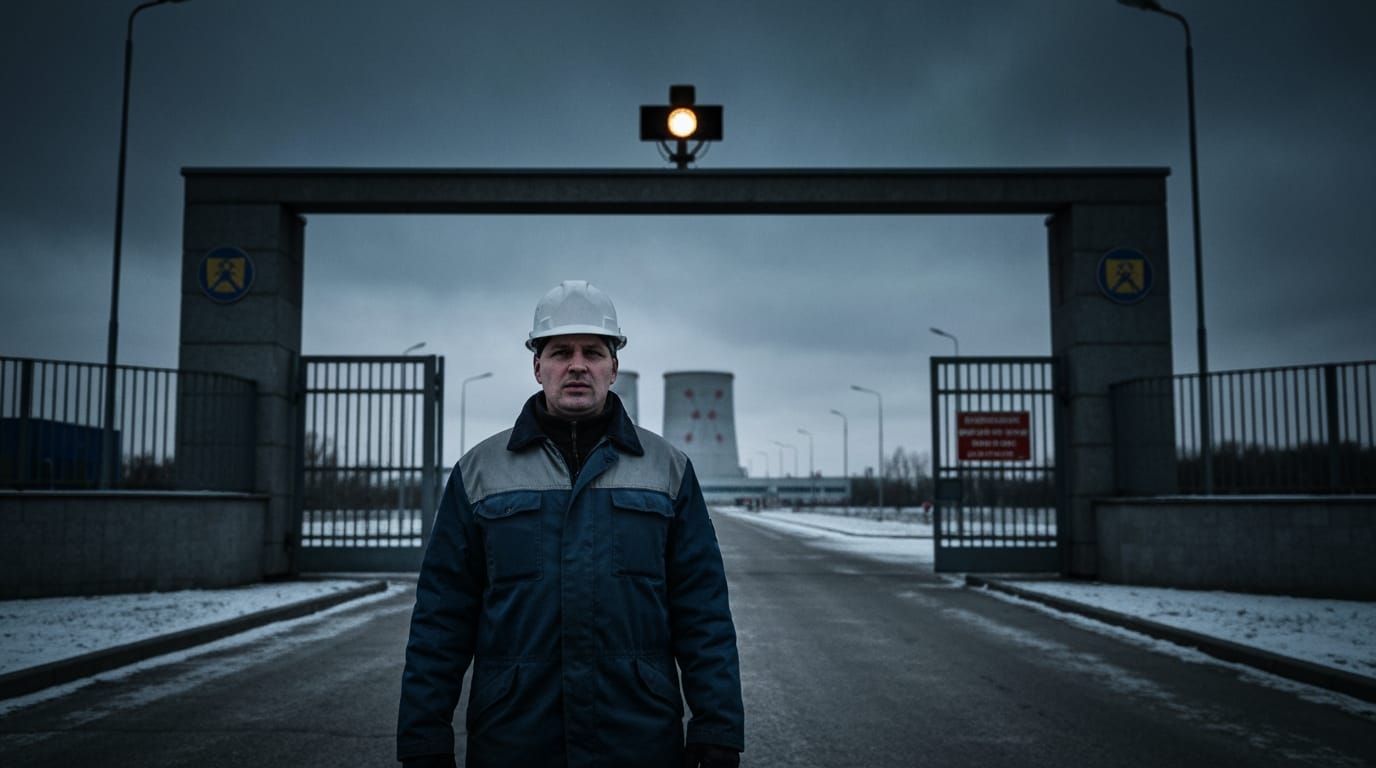
The Zaporizhzhia Nuclear Power Plant (ZNPP) in southern Ukraine, the largest nuclear facility in Europe, has once again been severed from its external power supply, forcing a critical reliance on backup diesel generators. This latest incident, confirmed early Thursday, June 11, 2026, marks the 19th total blackout at the plant since Russia's full-scale invasion began in February 2022, underscoring the extreme fragility of its power grid amidst ongoing conflict and prompting renewed international alarm over potential nuclear catastrophe.
The Latest Incident Unfolds Amidst Heightened Tensions
The high-voltage power line supplying the Russian-occupied Zaporizhzhia Nuclear Power Plant was disconnected during an air-raid warning on the evening of June 10, attributed to Russian attacks. Ukrenergo, Ukraine's national power company, reported that conditions were unsafe to inspect the damaged line, which was identified as the Feroplavna-1 line. The plant's management, appointed by Moscow, confirmed the automatic shutdown of the power line and the subsequent activation of backup diesel generators to maintain essential operations. No increased radioactivity has been detected following the power loss. However, the city of Enerhodar, where the plant is located, was also left without power. This incident occurred while preparations were underway to repair the main Dniprovska power line, which has remained disconnected since February 24.
A Pattern of Peril: The 19th Blackout and Escalating Risks
This isn't an isolated event, but rather the latest in a troubling series of disconnections that have plagued the ZNPP since the start of the conflict. The plant's constant need for external power is crucial for cooling its six shut-down reactors and maintaining other essential nuclear safety functions. Without a consistent power supply, the nuclear fuel in the reactors and spent fuel pools could overheat and potentially melt, a scenario reminiscent of the 2011 Fukushima disaster.
While all six reactors at the ZNPP have been in various states of shutdown since September 2022, they still generate residual heat from radioactive decay, which requires continuous cooling. The plant initially relied on multiple power lines, but for over four months, it had been dependent on a single external power line. Operating with only one line renders the facility extremely vulnerable to grid interruptions.
Each time external power is lost, the plant's emergency diesel generators are activated. Although the ZNPP is equipped with twenty diesel generators and generally maintains sufficient fuel, these generators are designed for temporary, emergency use and cannot sustain the plant's operational needs indefinitely. European regulations, developed after the Fukushima disaster, suggest a nuclear plant should withstand a loss of external power for up to 72 hours. However, past incidents at the ZNPP have far exceeded this threshold, including a record 120-hour disconnection in September 2025, which Greenpeace Ukraine highlighted as the longest blackout to date under Russian occupation. Such prolonged reliance on diesel generators raises serious concerns about their reliability, maintenance, and the constant need for fuel replenishment in a war zone.
The World Watches: IAEA's Urgent Warnings
The International Atomic Energy Agency (IAEA) has consistently voiced grave concerns over the precarious situation at the Zaporizhzhia Nuclear Power Plant. IAEA Director General Rafael Grossi reiterated that the new interruption of external supply "underscores the extreme fragility of the power grid and the constant nuclear safety dangers during the war". He has repeatedly called for "restraint" to "avoid a nuclear accident".
The IAEA's team stationed at the plant has observed military activity in the vicinity and has reported on previous attacks targeting critical infrastructure, such as a drone strike on a substation on the opposite bank of the Dnieper River on June 3, which caused the 17th external power loss. The agency has stressed that any military actions jeopardizing the plant's power supply are unacceptable and urged an immediate halt to attacks that could lead to a prolonged loss of power. Despite efforts by international bodies to stabilize the situation, including a temporary local ceasefire mediated by the IAEA in late 2025 for power line repairs, the cycle of disconnections persists.
Background of a Besieged Facility
The Zaporizhzhia Nuclear Power Plant, located near the city of Enerhodar on the southern shore of the Kakhovka Reservoir, stands as the largest nuclear power facility in Europe and one of the ten largest globally. Prior to the 2022 invasion, the plant was a vital component of Ukraine's energy infrastructure, generating nearly half of the country's nuclear-derived electricity and over a fifth of its total electricity.
On March 4, 2022, in the early days of Russia's full-scale invasion, Russian forces attacked and subsequently occupied the plant, marking the first time an operational nuclear power plant had been subjected to a full-scale military assault and occupation. Since its capture, the ZNPP has ceased generating power and its six reactors have been shut down. Both Ukrainian and Russian authorities have consistently accused each other of endangering nuclear safety through military actions in the plant's vicinity.
Further complicating the situation, the destruction of the Kakhovka Hydroelectric Power Plant dam in June 2023, while under Russian control, significantly impacted the plant's cooling water source. The ZNPP now relies on 11 groundwater wells for cooling water, adding another layer of complexity and vulnerability to its operations.
An Ongoing Nuclear Shadow
The repeated power cuts at the Zaporizhzhia Nuclear Power Plant serve as a stark reminder of the unprecedented dangers posed by military conflict in close proximity to critical nuclear infrastructure. Each disconnection from the external grid pushes the plant closer to a potential accident, relying on emergency systems not designed for such sustained use in a war zone. The international community, through the IAEA, continues to highlight the severe risks and call for a demilitarized zone around the facility. Yet, as the 19th blackout illustrates, the cycle of peril endures, leaving the fate of Europe's largest nuclear plant, and by extension, regional nuclear safety, under a constant and terrifying shadow.


