Europe's Rearmament: A Pivot Away From Asia?
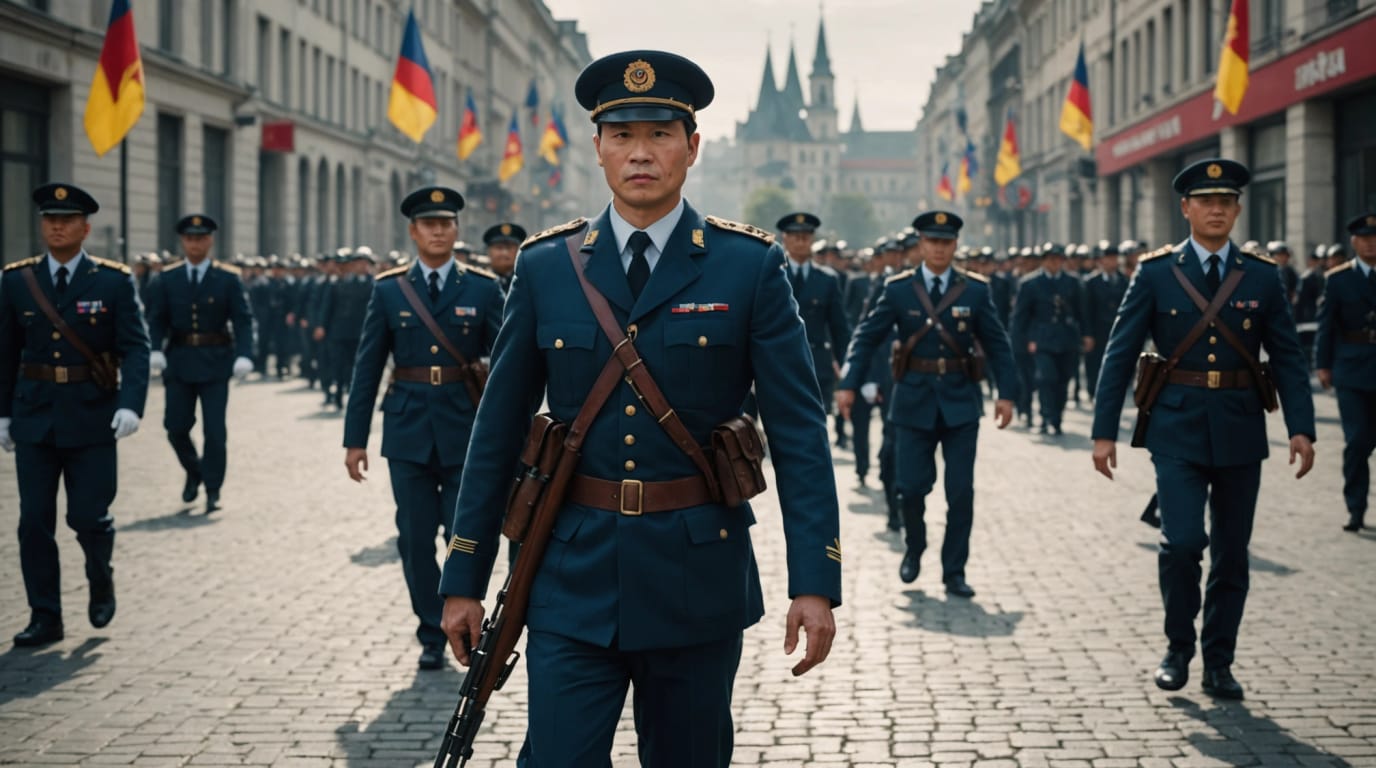
Europe is undergoing a significant shift in its strategic priorities, driven by the war in Ukraine and a growing sense of insecurity. This rearmament effort, while focused on addressing immediate threats on the continent, raises questions about the future of Europe's engagement with Asia. Will a more militarized Europe turn inward, or can it balance its security concerns with its economic and diplomatic interests in the Indo-Pacific?
The Drivers of European Rearmament
Russia's invasion of Ukraine in 2022 served as a wake-up call for many European nations, exposing vulnerabilities in their defense capabilities and highlighting the need for greater military readiness. Years of underinvestment in defense, coupled with a reliance on the United States for security, left Europe ill-prepared to face a resurgent Russia.
Several factors are driving the rearmament push:
- Increased Defense Spending: Many European countries have pledged to increase their defense spending to meet the NATO target of 2% of GDP. Germany, for example, has launched a €100 billion fund to modernize its armed forces. Poland has already committed to spending more than 4% of its GDP on defense in 2024.
- Joint Procurement Initiatives: The European Union is encouraging member states to pool their resources and jointly procure military equipment. This aims to achieve economies of scale, improve interoperability, and strengthen the European defense industry.
- Focus on Defense Industry: There is a growing emphasis on bolstering the European defense industry to reduce reliance on foreign suppliers. The EU seeks to promote the purchase of arms manufactured by European companies.
- Security Concerns: Beyond Russia, Europe is also grappling with other security challenges, including terrorism, cyberattacks, and instability in its southern neighborhood. These threats require investment in a broader range of military and security capabilities.
The Indo-Pacific Strategy
Despite the focus on rearmament, the European Union has also recognized the growing importance of the Indo-Pacific region. In 2021, the EU unveiled its Indo-Pacific Strategy, outlining its commitment to regional stability, security, prosperity, and sustainable development.
The strategy identifies several priority areas for cooperation with Indo-Pacific partners:
- Sustainable and Inclusive Prosperity: Promoting trade, investment, and economic connectivity.
- Green Transition: Cooperating on climate change, renewable energy, and environmental protection.
- Ocean Governance: Ensuring maritime security, combating illegal fishing, and protecting marine resources.
- Digital Governance and Partnerships: Fostering digital connectivity, cybersecurity, and data protection.
- Connectivity: Investing in infrastructure projects to improve transport and digital links between Europe and Asia.
- Security and Defence: Enhancing cooperation on maritime security, counter-terrorism, and cybersecurity.
- Human Security: Promoting human rights, democracy, and the rule of law.
Balancing Act: Europe's Dual Focus
The question remains whether Europe can effectively balance its rearmament efforts with its engagement in the Indo-Pacific. Some analysts argue that the focus on European security will inevitably lead to a reduction in resources and attention devoted to Asia. Others believe that a stronger, more secure Europe will be a more reliable partner for Indo-Pacific nations.
Several factors suggest that Europe will continue to play a role in the Indo-Pacific:
- Economic Interests: Asia remains a vital economic partner for Europe. The EU has trade agreements with Japan, South Korea, Singapore, and New Zealand, and is negotiating new deals with Indonesia, the Philippines, and Thailand. A conflict in Asia would immediately impact global supply chains.
- Shared Security Concerns: Europe and the Indo-Pacific share common security challenges, such as maritime security, terrorism, and cyberattacks. Cooperation on these issues is mutually beneficial.
- Multilateralism: The EU is a strong supporter of multilateralism and the rules-based international order. It sees engagement in the Indo-Pacific as a way to promote these principles and counter the rise of unilateralism.
- Strategic Partnerships: The EU has established strategic partnerships with several key countries in the Indo-Pacific, including India, Japan, South Korea, and ASEAN. These partnerships provide a framework for cooperation on a wide range of issues.
Implications for Asia
Europe's rearmament and its evolving relationship with Asia have several implications for the region:
- Diversification of Partnerships: As the United States focuses on its own strategic priorities, Indo-Pacific nations may seek to diversify their partnerships and engage more with Europe.
- Increased European Security Presence: Europe may increase its security presence in the Indo-Pacific, particularly in areas such as maritime security and cybersecurity.
- Focus on Non-Traditional Security: European engagement in the Indo-Pacific is likely to focus on non-traditional security issues, such as climate change, pandemics, and humanitarian assistance.
- Economic Opportunities: European investment in infrastructure and technology in the Indo-Pacific could create new economic opportunities for the region.
- Normative Influence: Europe's emphasis on human rights, democracy, and the rule of law could have a positive influence on governance and development in the Indo-Pacific.
Conclusion
Europe's rearmament is a response to a deteriorating security environment on its own continent, but it does not necessarily signal a complete withdrawal from Asia. The EU recognizes the strategic importance of the Indo-Pacific and remains committed to engaging with the region on a range of issues.
The challenge for Europe will be to balance its security concerns with its economic and diplomatic interests, and to find ways to contribute to stability and prosperity in both Europe and the Indo-Pacific. Whether Europe can successfully navigate this dual focus will depend on its ability to forge strong partnerships, prioritize its resources effectively, and maintain a long-term commitment to both regions. The interconnectedness of the world means that security in Europe and the Indo-Pacific are intertwined, and a cooperative approach is essential for addressing the challenges of the 21st century.


