Europe's Unprecedented Arms Influx Signals New Era of Geopolitical Realignment
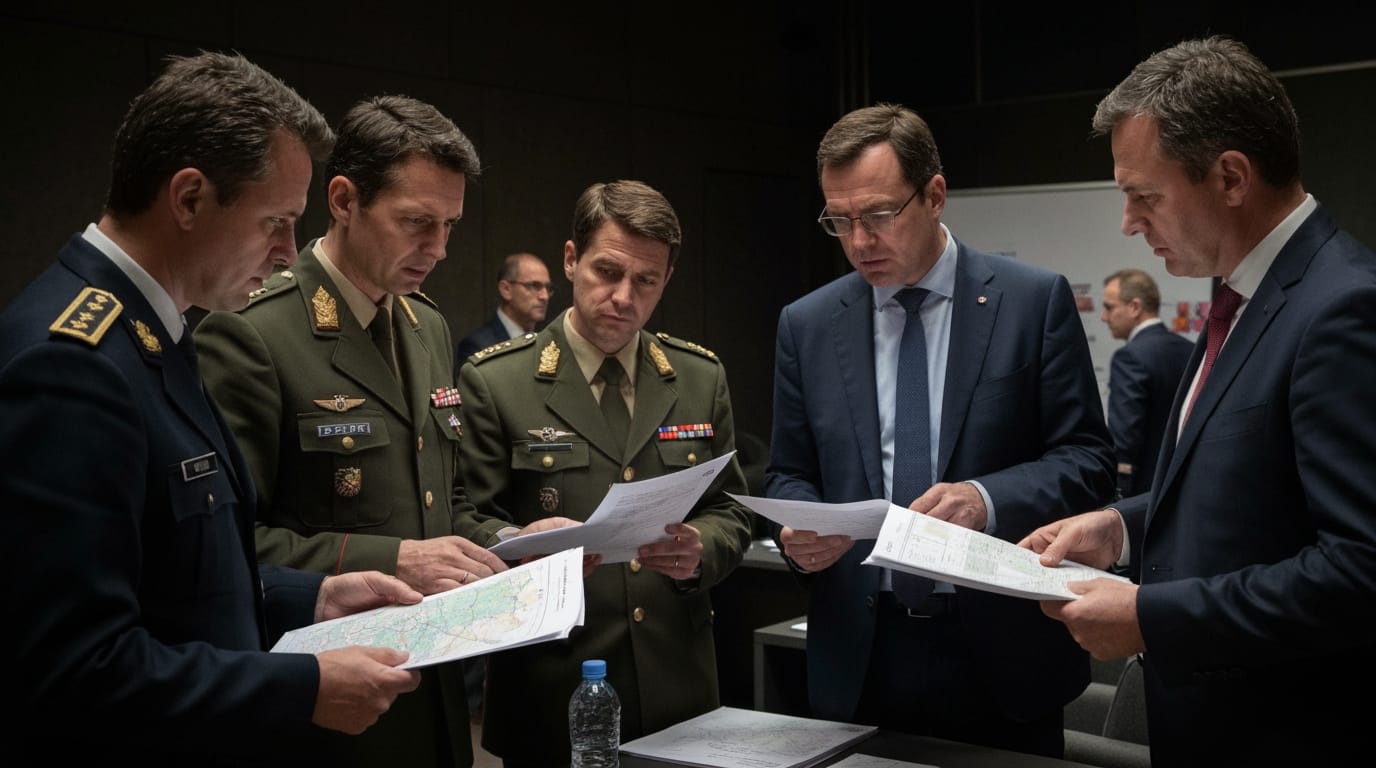
Europe has dramatically ascended to become a central player in the global arms trade, witnessing an unparalleled surge in weapons imports, driven primarily by Russia's full-scale invasion of Ukraine. New data from the Stockholm International Peace Research Institute (SIPRI) reveals that arms imports by European states soared by a staggering 155% between 2015–2019 and 2020–2024, fundamentally reshaping the landscape of international security and defense procurement. This unprecedented rearmament highlights a continent acutely aware of evolving threats and rapidly recalibrating its military capabilities.
A Continent in Reshuffle: Europe's Rise as a Major Importer
The latest SIPRI report, covering the period from 2020 to 2024, underscores a profound shift in global arms transfer patterns. While the overall volume of international arms transfers remained relatively stable, with only a marginal decrease of 0.6% globally, Europe's share expanded significantly. This growth effectively offset declines in other regions, positioning Europe as a critical hub for weapons acquisition. The increase marks a stark departure from previous trends, signaling a continent-wide reevaluation of defense needs and strategic autonomy. European NATO members, in particular, more than doubled their arms imports during this period, registering a 105% increase from 2015–2019 to 2020–2024. This rapid accumulation of military hardware is a direct response to the heightened geopolitical tensions and the perceived threat emanating from Russia.
The Shadow of War: Ukraine's Unprecedented Demand
At the heart of Europe's arms import boom is Ukraine, which emerged as the world's single largest importer of major arms during the 2020–2024 period. Ukraine accounted for a substantial 8.8% of global arms imports, experiencing an almost 100-fold (9627%) increase compared to its import volumes between 2015 and 2019. This dramatic rise is directly attributable to the urgent need to defend against Russia's invasion, which commenced in February 2022. The influx of weapons to Ukraine has largely taken the form of military aid, with a significant portion being second-hand arms delivered quickly from donor nations' existing stocks. The United States has been the foremost supplier to Ukraine, providing 45% of its imported arms, followed by Germany at 12% and Poland at 11%. The sheer scale of these transfers highlights the immediate and existential nature of the conflict, transforming Ukraine into an unprecedented recipient of international military assistance.
Shifting Geopolitics and Supply Chains
The surging demand from Europe has significantly altered global arms supply dynamics. For the first time in two decades, Europe became the largest destination for U.S. arms exports, surpassing the Middle East. The United States' share of arms exports to European states more than trebled, increasing by 233% between 2015–2019 and 2020–2024. The U.S. now accounts for 64% of arms imports by European NATO states, up from 52% in the previous five-year period. This indicates a deepening of the transatlantic security partnership and a renewed reliance on American defense technology and manufacturing capabilities.
Conversely, Russia, traditionally a major global arms exporter, saw its exports plummet by 64% during the same period, dropping to third place behind France in the global rankings. This decline is largely due to the diversion of its own production to meet battlefield demands in Ukraine, coupled with the impact of international sanctions and pressure on traditional clients to seek alternative suppliers. France, benefiting from this shift, saw its arms exports increase by 11% and rose to become the world's second-largest arms supplier. While European nations are making efforts to bolster their domestic defense industries, the deep-rooted transatlantic arms-supply relationship continues to play a pivotal role in meeting the continent's immediate and long-term security requirements.
Implications for European Security and Beyond
The substantial increase in European arms imports carries profound implications for continental and global security. The ongoing rearmament reflects a strategic imperative for many nations to modernize their militaries, replenish depleted stockpiles, and enhance their defense posture against a more assertive Russia. This drive is particularly evident in NATO member states, which are reinforcing their collective defense and deterrence capabilities, especially along the alliance's eastern flank. The shift also prompts questions about the long-term trajectory of European defense cooperation, the future of the European defense industry, and the continent's strategic independence. While the immediate focus is on countering current threats, the sustained investment in advanced weaponry and military infrastructure is likely to have lasting effects on regional power balances and international relations. The human element of these decisions is undeniable, as nations and their populations grapple with an era of heightened insecurity, necessitating significant investments in their collective defense.
Conclusion
Europe's emergence as a dominant force in the global arms import market marks a definitive turning point, spurred by the stark realities of the war in Ukraine and broader geopolitical instability. The unprecedented scale of arms acquisitions, particularly by Ukraine and other European states, reflects a fundamental restructuring of defense priorities. As nations across the continent rapidly augment their arsenals and strengthen military alliances, the ramifications for global security, defense industrial bases, and international power dynamics will continue to unfold in the years to come. This new era of robust military procurement underscores a continent's resolute commitment to safeguarding its sovereignty and stability in the face of evolving challenges.


